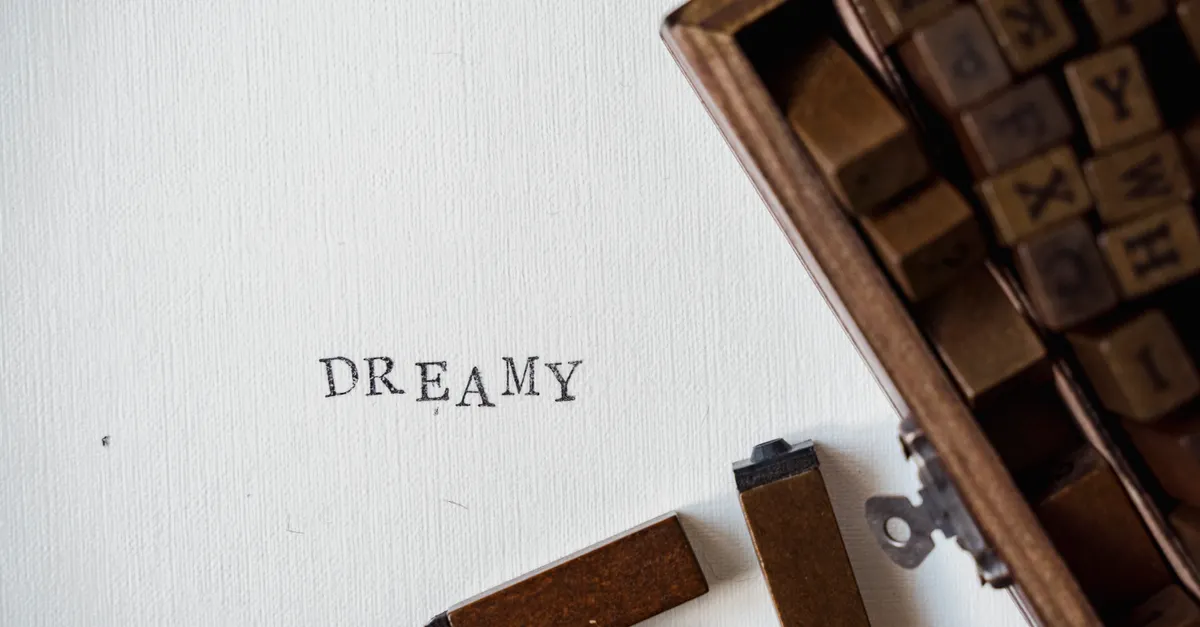

Letterpress printing has experienced a remarkable revival among artists, designers, and hobbyists seeking tactile, hands-on creative experiences. This centuries-old relief printing method, once used for mass communication, is now celebrated for its unique textures and the craftsmanship it demands. Whether you’re drawn to the deep impressions of type on thick paper or the endless possibilities for customization, exploring new letterpress printing projects can bring both inspiration and satisfaction. This guide covers innovative ideas, essential tools, and how modern technology is expanding what’s possible in the world of letterpress.

Understanding the Art of Letterpress Printing
Letterpress printing is a relief printing technique where raised surfaces, typically made from metal or wood type, are inked and pressed into paper. This process creates a characteristic debossed effect that’s both visible and tactile. Historically, letterpress was the dominant method for printing books, newspapers, and posters. Today, it’s prized for its artisanal qualities and the personal touch it brings to creative projects.
Over the past two decades, there’s been a resurgence of interest in letterpress, with small studios and independent makers reviving traditional presses and techniques. The appeal lies in the method’s blend of history, craft, and the ability to produce distinctive, high-quality printed items that stand apart from digital prints.
Creative Letterpress Projects for Inspiration
There’s no shortage of inventive ways to use letterpress. Below are several project ideas that showcase the versatility and beauty of this printing method, along with the materials and tools you’ll need to get started.
Custom Stationery and Greeting Cards
Designing personalized stationery or greeting cards is a classic use for letterpress. The deep impression and crisp lines make even simple designs feel luxurious. You’ll need cotton paper, movable type or photopolymer plates, and a press. Experiment with different paper weights and ink colors to create unique sets for yourself or as thoughtful gifts.
Art Prints and Posters
Letterpress is ideal for limited-edition art prints and posters. Artists often combine hand-drawn illustrations with bold typography, taking advantage of the process’s ability to produce rich textures. Try using letterpress ink in metallic or fluorescent shades for extra impact. Mixing hand inking with traditional rollers can add depth and variety to your prints.
Wine Labels and Packaging
One of the more creative applications is producing wine labels or specialty packaging. According to a showcase of community projects, letterpress-printed labels add a tactile, premium feel to bottles and boxes. You’ll need adhesive-backed paper, a press, and custom plates. Consider incorporating hot foil stamping for metallic accents.
Notebooks and Journals
Creating custom covers for notebooks or journals is another rewarding project. Use thick cover stock and experiment with layering different ink colors or blind debossing (printing without ink) for subtle effects. Binding your own books allows for complete customization, from the cover design to the paper inside.
Wedding Invitations and Event Suites
Letterpress invitations are highly sought after for weddings and special events. The process allows for intricate designs, monograms, and elegant typography. Combine letterpress with other techniques like embossing or laser cutting for a modern twist. You’ll need high-quality paper, custom plates, and a reliable press to achieve professional results.
Business Cards with Impact
Nothing makes a first impression like a thick, deeply impressed business card. Letterpress cards stand out for their tactile quality and durability. Experiment with duplexing (gluing two sheets together) for extra thickness, or add color edges for a bold look. Pair your cards with a business card holder to keep them pristine.
Bookmarks and Mini Prints
Smaller projects like bookmarks or mini art prints are perfect for beginners or for using up leftover materials. These make excellent gifts or promotional items and allow you to experiment with new techniques on a small scale.
Essential Tools and Materials for Letterpress Projects
Getting started with letterpress printing projects doesn’t require a full studio, but there are some key items you’ll need:
- Letterpress press: Options range from tabletop models to larger floor-standing presses.
- Type or plates: Traditional movable type, wood type, or custom photopolymer plates.
- Paper: Thick, high-quality paper such as cotton or specialty stocks.
- Inks: Oil-based or rubber-based inks designed for letterpress.
- Brayers and rollers: For even ink distribution.
- Cutting tools: Guillotine or rotary cutters for trimming finished pieces.
- Cleaning supplies: Rags and solvents for maintaining your press.
Optional tools like laser cutters or 3D printers can expand your creative options, especially if you want to experiment with custom shapes or type.
Bringing Modern Technology into Traditional Letterpress
One of the most exciting developments in recent years is the integration of modern technology with traditional letterpress. According to research on the Letterpress Goes 3D project, using 3D printing and laser cutting opens up new possibilities for creating custom type, ornaments, and printing blocks.
With 3D printing, you can design and fabricate your own type or image blocks, overcoming the limitations of vintage type collections. This is especially useful for creating logos, unique fonts, or detailed illustrations that would be difficult or expensive to source in metal or wood. Laser cutting allows for precise, intricate shapes in materials like acrylic or wood, which can then be used on the press just like traditional blocks.
Benefits of integrating these technologies include:
- Greater design flexibility and customization
- Ability to reproduce or restore historical type and ornaments
- Reduced costs for custom projects
- Faster prototyping and iteration of designs
This blend of old and new techniques is helping to keep letterpress relevant and accessible to a new generation of makers. For more on how different styles and methods compare, you might find this overview of letterpress printing styles helpful as you explore your options.
Unique Techniques and Methods to Explore
Beyond the basics, there are several distinctive methods and effects you can try in your projects:
- Blind debossing: Printing without ink for a subtle, embossed look.
- Split fountain inking: Blending two or more ink colors on the press for gradient effects.
- Hand inking: Applying ink directly to the type or block for painterly results.
- Hot foil stamping: Adding metallic or colored foil for a luxurious finish.
- Duplexing: Gluing multiple sheets together for extra-thick cards or prints.
Experimenting with these techniques can help you develop a signature style and push the boundaries of what’s possible with letterpress.
Comparing Letterpress with Other Printing Methods
Letterpress is known for its tactile quality and the deep impression it leaves on paper. Compared to digital or offset printing, it offers a more hands-on, artisanal approach. However, it’s worth considering how it stacks up in terms of quality and cost:
Pros
- Distinctive, tactile results
- High level of customization
- Suitable for small runs and specialty projects
- Long-lasting, archival quality
Cons
- Slower and more labor-intensive than digital printing
- Higher setup costs for custom plates or type
- Less efficient for large-volume projects
If you’re curious about how it compares to other classic methods, such as lithography or engraving, resources like letterpress vs lithography and letterpress printing vs engraving provide in-depth comparisons.
Getting Started with Letterpress at Home
Starting your own letterpress printing projects at home is more accessible than ever. Tabletop presses are available for beginners, and many studios offer workshops or rental time. Begin with simple projects like cards or bookmarks to get a feel for the process. As you gain confidence, experiment with custom plates or try integrating digital design tools to create your own artwork.
Don’t be afraid to combine traditional methods with modern technology. Even if you don’t own a 3D printer or laser cutter, many makerspaces and print shops offer access to these tools. This opens up new creative avenues and helps you produce professional-quality results even as a hobbyist.

Conclusion and Next Steps
Exploring new letterpress printing projects is a rewarding way to combine tradition, creativity, and innovation. Whether you’re interested in classic stationery, experimental art prints, or integrating the latest technology, the possibilities are nearly endless. Start with a simple project, invest in a few essential tools, and don’t hesitate to experiment with new materials or methods. As you gain experience, you’ll discover your own style and perhaps even contribute to the ongoing evolution of this historic craft.
For those ready to dive deeper, consider joining a local printmaking group, attending workshops, or exploring online resources dedicated to letterpress. With each project, you’ll build both skill and appreciation for the artistry that makes letterpress so enduring.
Frequently Asked Questions
What materials and tools do I need to start letterpress printing?
At a minimum, you’ll need a letterpress press (tabletop or larger), type or custom plates, high-quality paper, ink, rollers, and basic cutting tools. Optional equipment like photopolymer plate makers, laser cutters, or 3D printers can expand your creative options.
How can I integrate modern technology into my letterpress projects?
Modern tools such as 3D printers and laser cutters allow you to create custom type, ornaments, and blocks for your press. This enables greater design flexibility and helps overcome the limitations of traditional type collections. Many makerspaces offer access to these technologies if you don’t own them yourself.
What are the main benefits of using letterpress for creative projects?
Letterpress offers a unique tactile quality, deep impressions, and a sense of craftsmanship that digital printing can’t match. It’s ideal for small runs, custom designs, and projects where texture and quality are important. The process also allows for a high degree of personalization and experimentation.