Standing out at a busy trade show requires more than just a great product. The way you present your brand can make a significant difference in attracting attention and sparking conversations. Trade show glass graphics offer a modern, sophisticated way to showcase your logo, messaging, and product visuals. When used effectively, these graphics can turn ordinary glass surfaces into striking focal points that draw in attendees and leave a memorable impression.
Whether you’re a seasoned exhibitor or preparing for your first event, understanding the best practices for glass-based displays can help you maximize your booth’s impact. This article explores proven strategies, creative ideas, and practical tips for making your glass graphics work harder for your brand. For those interested in avoiding common pitfalls, check out this guide on common mistakes in glass printing to ensure your display looks flawless from every angle.

Why Glass Graphics Elevate Your Trade Show Presence
Glass surfaces provide a sleek, professional look that instantly elevates any booth. Unlike traditional banners or foam boards, glass allows for unique visual effects such as transparency, layering, and light diffusion. This versatility makes glass graphics for trade shows a popular choice for brands aiming to communicate innovation and quality.
- Visual Impact: Glass reflects light and can be backlit, making colors pop and designs stand out even in crowded halls.
- Modern Appeal: Clean lines and glossy finishes give your booth a contemporary edge.
- Customizable: From frosted logos to full-color prints, glass graphics can be tailored to fit any brand aesthetic.
For inspiration on how glass can be used to brighten up spaces, explore various colored glass decoration methods that also translate well to event displays.
Types of Trade Show Glass Graphics
Choosing the right technique for your display depends on your goals, budget, and the effect you want to achieve. Here are the most common methods:
- Screen Printing: Ideal for bold colors and crisp lines, this method uses stencils to transfer ink directly onto glass. It’s durable and perfect for logos or simple artwork.
- Digital Printing: Allows for full-color, high-resolution images. Great for product photos, gradients, or intricate designs.
- Etching and Frosting: Creates a subtle, elegant look by roughening the glass surface. This technique is often used for logos or text that need to be visible but not overpowering.
- Vinyl Decals: Removable and versatile, vinyl can be cut into any shape and applied to glass panels for temporary branding.
For a deeper dive into the technical side, this overview of printing techniques for glass explains the pros and cons of each process.
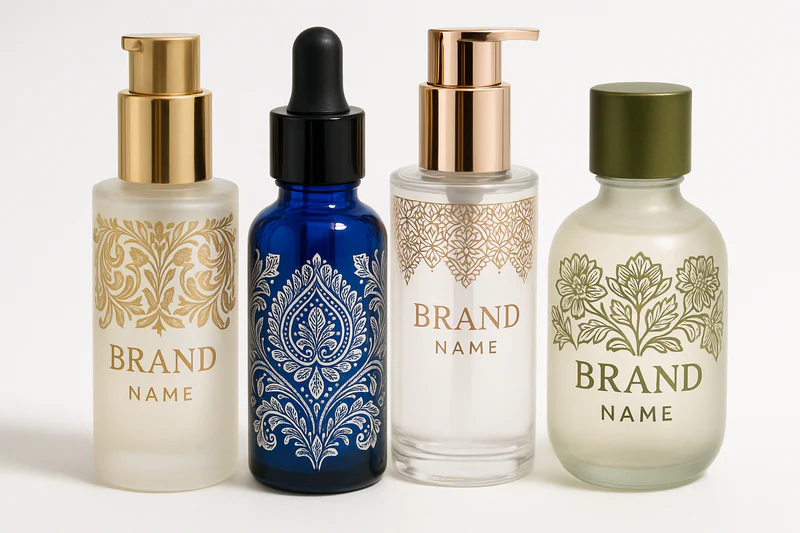
Design Strategies for Maximum Impact
Effective trade show glass graphics are more than just attractive—they’re strategic. Here’s how to ensure your designs grab attention and communicate your message:
- Keep It Simple: Overly complex graphics can be hard to read from a distance. Focus on bold logos, clear text, and high-contrast colors.
- Use Negative Space: Allowing some clear glass to show through adds sophistication and prevents visual overload.
- Incorporate Lighting: Backlighting or spotlighting can make frosted or printed elements glow, increasing visibility and appeal.
- Align with Brand Identity: Use your brand’s color palette, fonts, and imagery to create a cohesive look across all booth elements.
- Consider Placement: Position graphics at eye level and in high-traffic areas to maximize exposure.
For those working with smart devices or tech products, integrating smart device glass printing techniques can add an interactive or high-tech edge to your display.
Installation and Maintenance Tips
Even the most stunning glass graphics can fall flat if not installed correctly. Follow these tips to ensure a flawless presentation:
- Clean Surfaces Thoroughly: Dust and fingerprints can ruin the effect. Use lint-free cloths and glass cleaner before applying any graphics.
- Use Professional Installers: For large or intricate displays, hiring experts ensures proper alignment and bubble-free application.
- Transport with Care: Glass is fragile. Use padded cases and avoid stacking panels during transit.
- Touch Up Onsite: Bring extra vinyl decals or cleaning supplies for last-minute fixes.
Understanding the differences between glass printing vs engraving can help you choose the right method for durability and visual effect, especially if your display will be reused at multiple events.

Creative Ideas to Make Your Booth Stand Out
Thinking beyond the basics can help your booth become a destination at any event. Here are some creative ways to use glass graphics for maximum effect:
- Interactive Panels: Use QR codes or augmented reality triggers printed on glass to engage visitors digitally.
- Layered Displays: Combine clear, frosted, and printed glass panels for a 3D effect that changes as attendees move around your booth.
- Product Showcases: Display products behind branded glass for a museum-like presentation that emphasizes quality and exclusivity.
- Illuminated Edges: Add LED strips to the edges of glass panels to create a glowing frame around your graphics.
For businesses in manufacturing or technology, exploring industrial glass printing uses can inspire new applications and help demonstrate your expertise to potential clients.
Frequently Asked Questions
What are the main benefits of using glass graphics at trade shows?
Glass graphics provide a modern, high-end look that attracts attention and enhances brand perception. They offer versatility in design, can be customized to fit any branding, and allow for creative effects like transparency and backlighting.
How do I choose the right printing technique for my glass display?
The best technique depends on your design, budget, and durability needs. Screen printing is great for bold, simple designs; digital printing works well for detailed images; etching and frosting add subtle elegance; and vinyl decals offer flexibility for temporary displays.
Are glass graphics reusable for future events?
Many glass graphics, especially those using vinyl decals or durable printing methods, can be reused if handled and stored properly. Always transport glass panels in padded cases and clean them before reinstallation to maintain their appearance.