
Customizing glass surfaces has become a popular way to add branding, personalization, or decorative flair to everything from drinkware and awards to architectural panels. Two of the most widely used methods for this are glass printing and engraving. Each technique offers unique benefits and limitations, making the choice between them important for businesses, artists, and consumers alike. This article explores the differences, advantages, and best use cases for both approaches, helping you determine which is right for your next project.
Before diving into the technical details, it’s helpful to understand the core differences between these methods. Glass printing involves applying colored or opaque inks directly onto the glass surface, using processes like screen printing or digital UV printing. Engraving, on the other hand, physically alters the glass by etching or carving designs into its surface, often resulting in a frosted or textured effect.
For those interested in learning more about common pitfalls and best practices, check out common mistakes in glass printing for practical tips on achieving professional results.
Understanding the Core Differences
When comparing glass printing vs engraving, the most fundamental distinction lies in how the design is transferred to the glass:
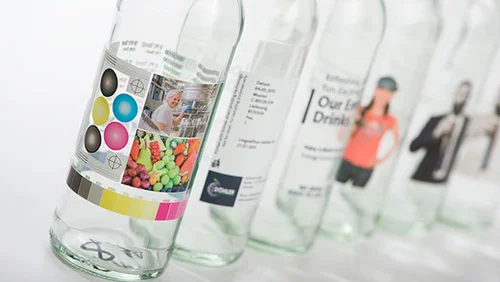
- Printing adds material (ink, pigment, or enamel) to the surface, allowing for vibrant colors, gradients, and even photographic images.
- Engraving removes material, creating a tactile, permanent mark that is typically colorless but can be filled with paint or left frosted.
Both methods can produce stunning results, but the choice depends on factors like desired appearance, durability, cost, and production volume.
How Glass Printing Works
There are several techniques used to print on glass, each with its own strengths:
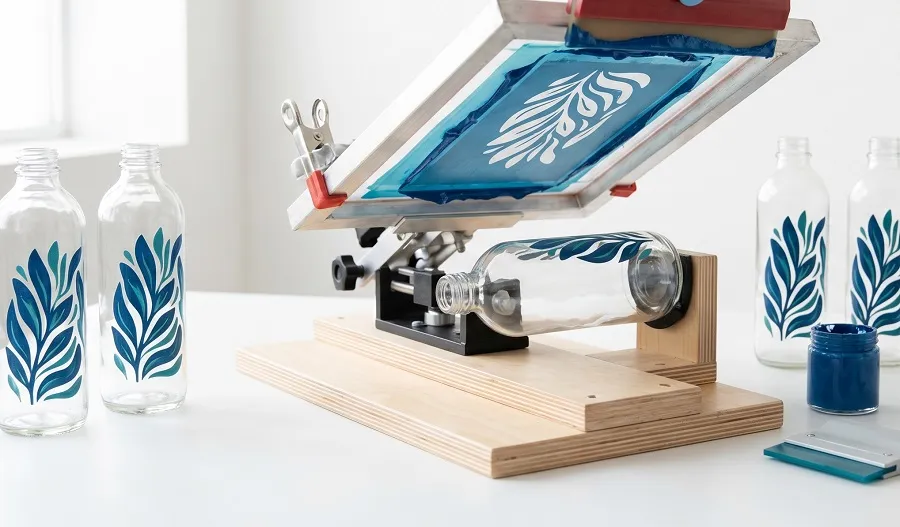
- Screen Printing: Uses a mesh stencil to apply layers of ink. Ideal for bold, opaque designs and high-volume runs.
- Digital UV Printing: Employs inkjet technology and UV-curable inks for full-color, detailed images, even on small batches.
- Pad Printing: Transfers ink via a silicone pad, suitable for curved or irregular shapes.
Printed designs can be highly detailed and colorful, making this method popular for promotional glassware, bottles, and decorative panels. For more on how these techniques are transforming the industry, see innovations in glass printing.
What Sets Engraving Apart?
Engraving, sometimes referred to as etching, physically alters the glass surface. The most common methods include:
- Sandblasting: Blasts abrasive material at high speed to carve designs into the glass.
- Laser Engraving: Uses focused laser beams for precise, intricate patterns.
- Chemical Etching: Applies acid or etching cream to selectively remove glass.
These processes create a frosted, matte finish that is permanent and resistant to fading or scratching. Engraving is often chosen for awards, commemorative pieces, and applications where longevity is critical.
Comparing Durability and Longevity
One of the most important considerations in the glass printing vs engraving debate is how each method holds up over time. Engraved designs are essentially part of the glass itself, making them highly durable and resistant to wear, washing, and sunlight. Printed designs, while often robust, can be susceptible to scratching or fading if not properly cured or protected. However, modern advancements in UV-cured inks and enamels have greatly improved the durability of printed glass, especially for indoor or decorative use.
For industrial or architectural applications, such as industrial glass printing uses, durability requirements may dictate the best method.
Design Flexibility and Visual Impact
If your project requires vibrant colors, gradients, or photographic images, printing offers far greater flexibility. Digital printing can reproduce complex artwork, logos, or even full-color photos with impressive accuracy. Engraving, while limited to frosted or clear finishes, excels at creating elegant, understated designs with a tactile quality that printing cannot match.
For creative inspiration, see how artists and designers are using these techniques in glass wall art ideas and printed glass memorial products.
Cost, Speed, and Scalability
Cost is another key factor. Printing is generally more cost-effective for large runs, thanks to automated processes and faster setup times. Engraving, especially when done by hand or with specialized equipment, can be more labor-intensive and expensive per piece, but is ideal for small batches or one-of-a-kind items.
For a deeper dive into the technical and economic differences between digital and screen printing, see this detailed comparison of glass print options.
Which Method Is Right for Your Project?
Choosing between these two custom glass technologies depends on your priorities:
- Choose Printing If: You need full-color designs, photographic quality, or cost-effective large quantities.
- Choose Engraving If: You want permanent, elegant marks, or are producing awards, keepsakes, or items exposed to heavy wear.
Some projects even combine both methods—using engraving for a permanent logo and printing for colorful decorative elements.
Frequently Asked Questions
Is printed glass dishwasher safe?
Modern printed glass, especially when using UV-cured inks or enamels, can be dishwasher safe. However, longevity depends on the specific inks and curing process. For items that will be washed frequently, engraving is generally more durable.
Can you engrave over printed glass?
It is possible to engrave over printed areas, but the results may vary depending on the type of ink and the depth of the engraving. Typically, these methods are used separately for best visual clarity.
Which is more environmentally friendly: printing or engraving?
Engraving, especially sandblasting or laser methods, often uses fewer chemicals and produces less waste than some printing processes. However, advances in eco-friendly inks and digital printing technology are reducing the environmental impact of glass printing as well.
Does engraving weaken the glass?
When done properly, engraving removes only a thin layer and does not significantly weaken the glass. However, deep or aggressive etching on thin glass can create stress points, so professional techniques are recommended for structural items.
Conclusion
Both glass printing and engraving offer unique possibilities for customizing glass surfaces. The best choice depends on your project’s needs for color, durability, budget, and visual style. By understanding the strengths and limitations of each method, you can select the right approach to achieve stunning, lasting results.