
In contemporary interior design and product branding, frosted glass printing techniques have become essential for creating elegant, functional, and visually appealing surfaces. These methods allow designers and manufacturers to add privacy, branding, and decorative elements to glass in ways that are both subtle and striking. Whether used in office partitions, retail displays, or luxury packaging, the right approach to frosted glass can transform an ordinary space into something truly modern.
This article explores the most effective methods for achieving frosted effects on glass, the benefits of each process, and how to select the right technique for your project. If you’re interested in avoiding pitfalls during your next glass printing project, you may also want to read about common mistakes in glass printing for practical tips and solutions.
Understanding Frosted Glass and Its Applications
Frosted glass is created by altering the surface of clear glass to produce a translucent, matte finish. This effect diffuses light, reduces glare, and provides privacy while still allowing illumination to pass through. The demand for frosted glass has grown in modern architecture, interior design, and product packaging, thanks to its versatility and aesthetic appeal.
Some common uses include:
- Office partitions and conference room walls
- Shower enclosures and bathroom windows
- Retail shelving and display cases
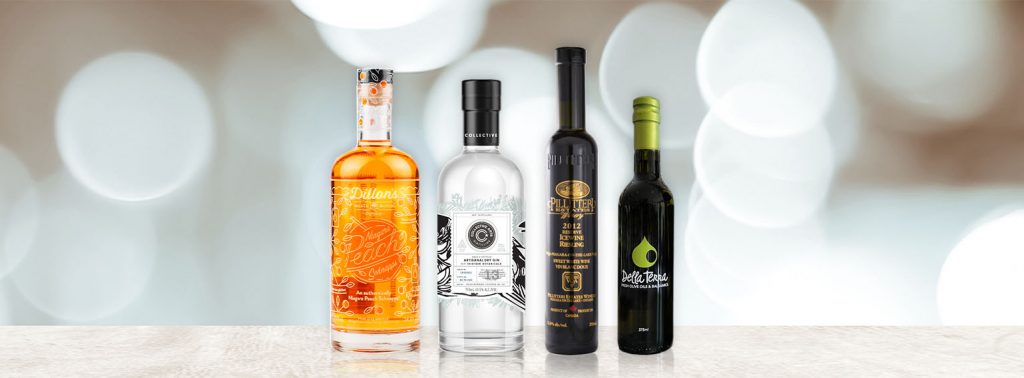
- Cosmetic and beverage bottles
- Decorative panels and wall art
With the right frosted glass printing techniques, it’s possible to add logos, patterns, or even photographic images to these surfaces, enhancing both function and style.
Popular Methods for Creating Frosted Effects on Glass
There are several proven approaches to achieving a frosted look on glass. Each method has its own advantages, limitations, and ideal applications. Below, we’ll examine the most widely used options.
Sandblasting and Abrasive Etching
Sandblasting involves propelling fine abrasive particles at high speed onto the glass surface. This process roughens the glass, creating a uniform matte finish. By using stencils, intricate designs and patterns can be etched into the glass, making sandblasting a favorite for custom signage and decorative panels.
- Advantages: Durable, permanent finish; supports detailed designs.
- Drawbacks: Requires specialized equipment; not suitable for all glass thicknesses.
Chemical Etching with Creams
Chemical etching uses acid-based creams to react with the glass surface, producing a frosted appearance. This method is popular for DIY projects and small-scale applications because it’s relatively easy to use and doesn’t require heavy machinery.
- Advantages: Simple application; good for small or intricate designs.
- Drawbacks: Less durable than sandblasting; requires careful handling of chemicals.
Screen Printing for Frosted Glass Effects
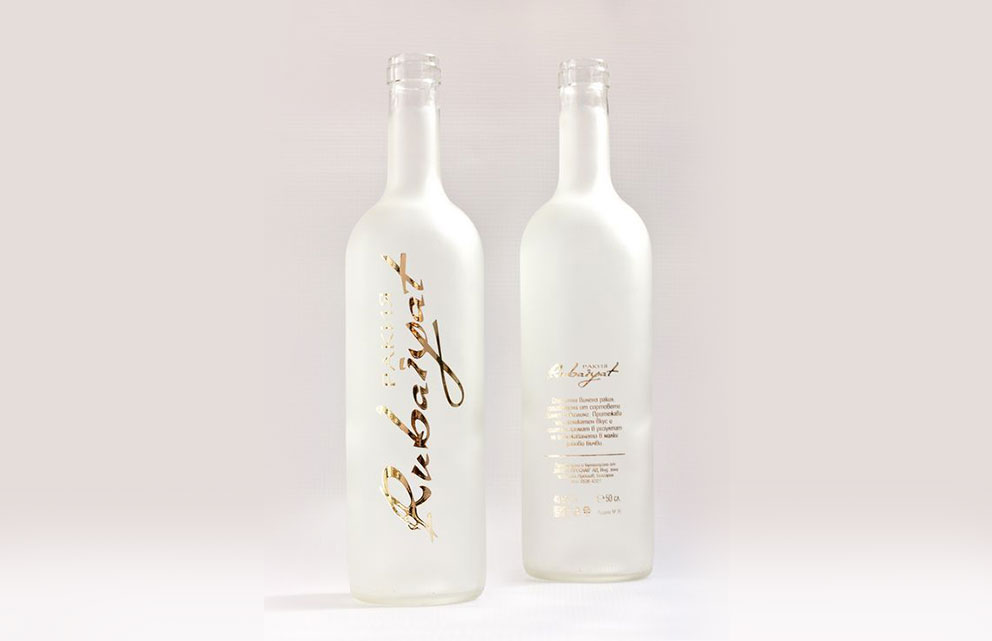
Screen printing is a versatile process that can apply frosted inks or ceramic enamels to glass surfaces. This technique is ideal for high-volume production, such as bottles, jars, and architectural panels. Special frosted inks are used to mimic the look and feel of etched glass.
- Advantages: Consistent results; suitable for mass production; supports both opaque and translucent effects.
- Drawbacks: Initial setup can be complex; best for flat or cylindrical surfaces.
Digital Printing and UV Curing
Advancements in digital printing now allow for high-resolution images and gradients to be applied directly onto glass. UV-curable inks can create frosted effects or combine them with color for unique visual results. This method is perfect for custom projects and short runs where flexibility and detail are important.
- Advantages: Full-color capability; precise control over design; minimal setup for short runs.
- Drawbacks: May not be as durable as traditional etching; equipment costs can be high.
For a deeper look at how technology is shaping this field, explore innovations in glass printing and the future of design possibilities.
Choosing the Right Frosted Glass Printing Approach
Selecting the best method depends on your project’s requirements, including design complexity, durability, cost, and production volume. Here are some key considerations:
- Design Detail: Sandblasting and digital printing excel at intricate patterns, while screen printing is better for bold graphics and text.
- Durability: Sandblasted and ceramic-printed finishes are highly resistant to wear, making them ideal for architectural uses.
- Production Scale: Screen printing and digital methods are efficient for large quantities, whereas chemical etching suits smaller batches.
- Budget: Chemical etching is cost-effective for DIY or small projects, while large-scale production may justify the investment in screen or digital printing equipment.
When working with frosted glass, it’s also important to consider cleaning and maintenance. For tips on keeping your surfaces pristine, see this guide on cleaning printed glass surfaces.
Creative Applications and Modern Trends
Today’s designers are pushing the boundaries of what’s possible with frosted glass. Some of the most popular trends include:
- Layered effects combining clear, frosted, and colored glass
- Personalized branding for luxury packaging and bottles
- Custom wall art and memorial products using printed glass
- Functional privacy screens with decorative motifs
For inspiration, you might be interested in exploring glass wall art ideas or learning about printed glass memorial products that showcase the versatility of these techniques.
Expert Tips for Achieving the Best Results
To ensure your frosted glass projects look professional and last, keep these tips in mind:
- Test on Samples: Always experiment on a small piece of glass before committing to the final piece.
- Use High-Quality Materials: Invest in reputable inks, creams, or abrasives for consistent results.
- Protect Finished Surfaces: Apply a protective coating if the glass will be exposed to frequent handling or cleaning.
- Work in a Clean Environment: Dust and debris can affect the quality of the frosted finish.
- Follow Safety Guidelines: Wear protective gear when working with chemicals or abrasive materials.
For a comprehensive overview of glass printing processes, including how to avoid common issues, check out this detailed guide to printing on glass from industry experts.
Frequently Asked Questions
What is the most durable method for frosted glass printing?
Sandblasting and ceramic-based screen printing are considered the most durable, as they create a permanent bond with the glass surface. These methods are ideal for architectural and high-traffic applications.
Can I achieve a frosted effect on curved glass surfaces?
Yes, both sandblasting and screen printing can be adapted for cylindrical or curved glass, such as bottles and jars. Digital printing is also suitable for certain shapes, depending on the equipment used.
Is it possible to combine frosted and colored designs?
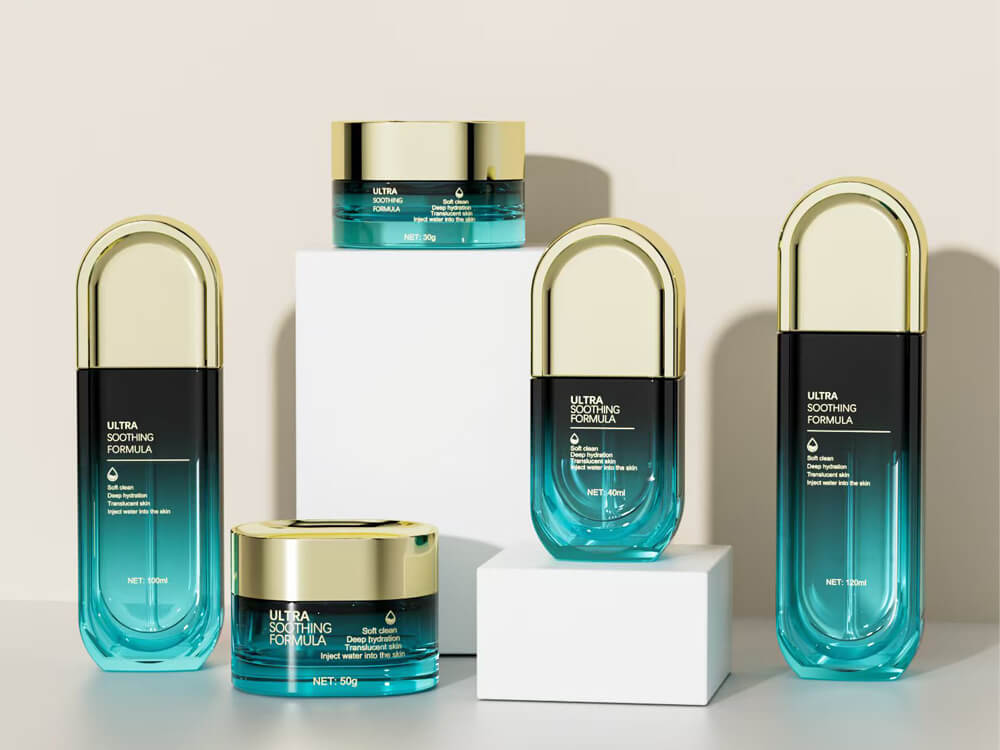
Absolutely. Many modern techniques allow for layering frosted effects with colored inks or enamels, enabling unique visual combinations for branding or decorative purposes.
Conclusion
Modern frosted glass printing techniques offer a range of creative and practical solutions for designers, architects, and manufacturers. By understanding the strengths of each method and considering the specific needs of your project, you can achieve stunning results that enhance both privacy and style. Whether you’re working on a large architectural installation or a small product line, the right approach to frosted glass can make all the difference in today’s design landscape.