
Direct to glass printing has transformed how brands, artists, and manufacturers customize glass surfaces. This innovative process allows for detailed, durable, and vibrant designs to be printed directly onto glass, eliminating the need for labels or secondary adhesives. Whether for product packaging, architectural panels, or decorative art, this technology delivers results that stand out for both quality and longevity.
As demand for unique, high-resolution glass decoration grows, understanding the advantages and practical applications of this technique is essential. This article explores the technology, its benefits, and key considerations for anyone interested in custom glass solutions. For those looking to avoid common pitfalls, our guide on common mistakes in glass printing provides additional insights into achieving flawless results.
Understanding the Direct Printing Process on Glass
At its core, direct to glass printing refers to the process of applying ink or pigment directly onto glass surfaces using specialized printers. Unlike traditional methods, such as screen printing or decal application, this approach uses advanced digital or UV-curable inkjet technology. The result is a permanent, high-definition image that bonds with the glass, offering both visual appeal and durability.
Modern machines can print full-color images, gradients, and even tactile effects. The process typically involves:
- Preparing the glass by cleaning and sometimes pre-treating the surface for optimal ink adhesion.
- Digitally designing the artwork, which is then processed by the printer’s software.
- Printing the design directly onto the glass using UV-curable inks that instantly harden under ultraviolet light.
- Optional post-print curing or finishing steps to enhance durability or achieve special effects.
This method is suitable for both flat and curved glass objects, making it versatile for a wide range of products.
Key Benefits of Direct Printing on Glass
The shift toward direct digital printing on glass offers several advantages over traditional decoration techniques:
- Superior Image Quality: Achieve photo-realistic detail, vibrant colors, and sharp lines that are difficult to replicate with analog methods.
- Durability: UV-cured inks are resistant to scratching, fading, and moisture, making them ideal for both indoor and outdoor applications.
- Customization: Easily produce short runs, prototypes, or one-off designs without the setup costs associated with screen printing or etching.
- Speed and Efficiency: Digital workflows allow for rapid changes, variable data printing, and minimal downtime between jobs.
- Eco-Friendly Options: Many systems use low-VOC inks and reduce waste compared to traditional processes.
These benefits make direct glass decoration attractive for industries ranging from beverage packaging to architectural design.
Popular Applications for Custom Glass Decoration
Direct digital printing on glass is used across a variety of industries and creative projects. Some of the most common applications include:
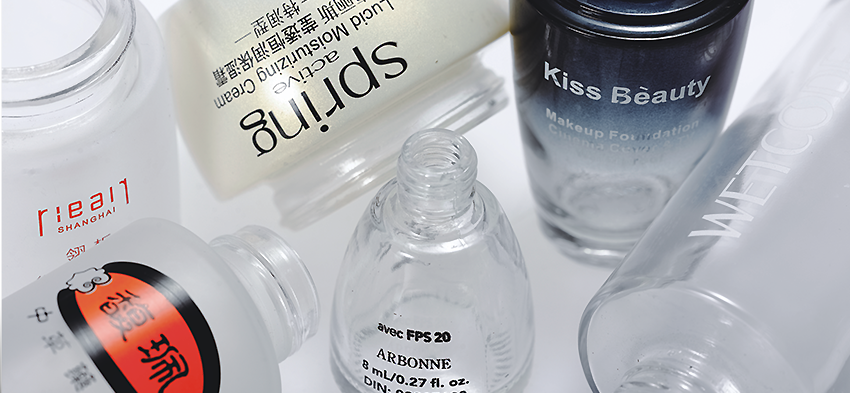
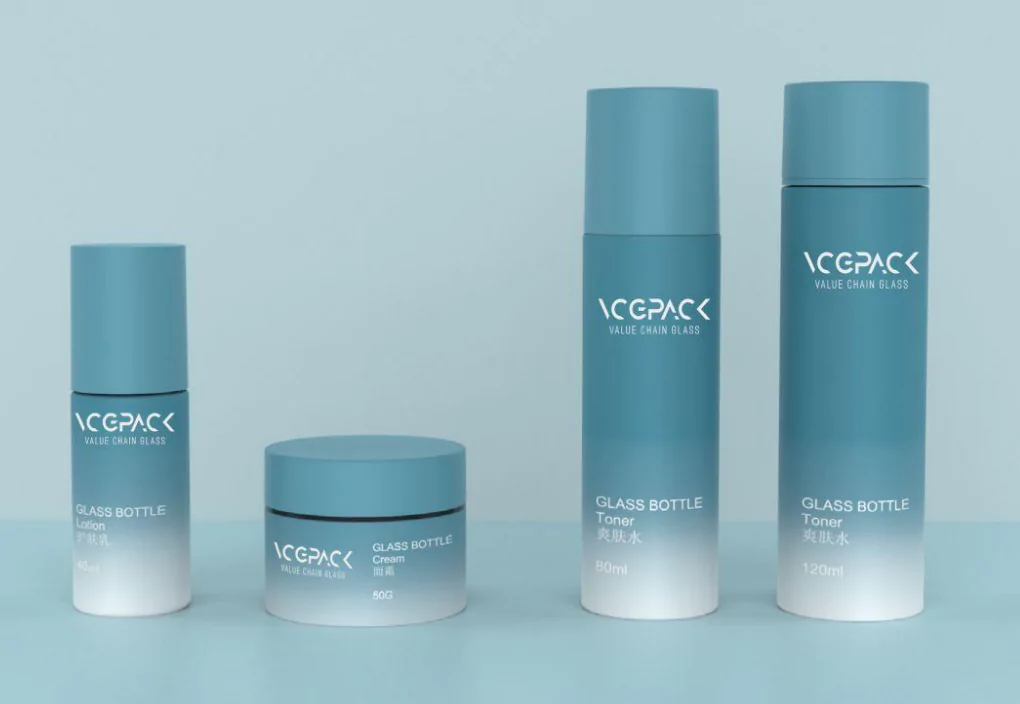
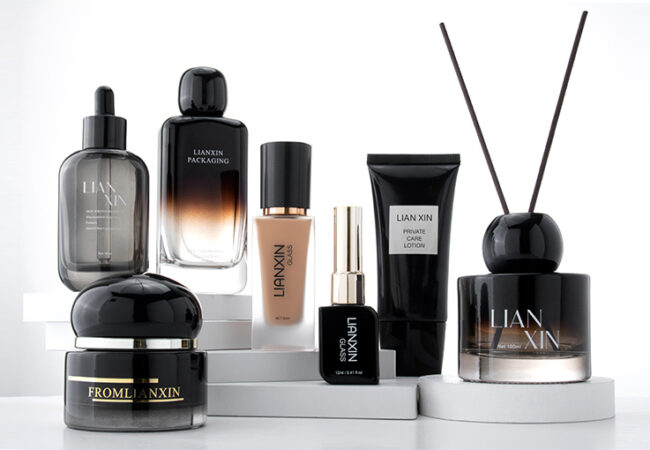
- Product Packaging: Bottles for beverages, cosmetics, and food products often feature intricate branding and regulatory information printed directly onto the glass.
- Architectural Panels: Interior designers and architects use printed glass for partitions, wall art, and facades, adding color and privacy while maintaining light transmission.
- Decorative Items: Awards, commemorative plaques, and personalized gifts benefit from the precision and customization offered by this process.
- Industrial and Technical Uses: Control panels, display screens, and instrument covers often require durable, legible markings that withstand repeated use and cleaning.
For a deeper look at large-scale and technical uses, see our article on industrial glass printing uses.
How Direct Glass Printing Compares to Other Methods
While traditional techniques like screen printing, sandblasting, or decal application remain popular, direct digital printing offers several unique advantages:
| Method | Setup Cost | Image Quality | Durability | Customization |
|---|---|---|---|---|
| Direct Digital Printing | Low | High (full color, fine detail) | Excellent | Easy, flexible |
| Screen Printing | High (screens required) | Good (limited colors) | Good | Challenging for short runs |
| Decal Application | Medium | Variable | Fair | Moderate |
| Sandblasting/Etching | Medium | Monochrome, textured | Excellent | Limited |
For those interested in the creative side, our collection of glass wall art ideas demonstrates the artistic potential of modern glass printing.
Choosing the Right Technology for Your Project
When selecting a direct printing solution for glass, consider the following factors:
- Surface Type: Flat panels, curved bottles, and textured glass may require different equipment or pre-treatment steps.
- Production Volume: Digital systems excel at short runs and prototyping, while high-volume jobs may benefit from hybrid approaches.
- Design Complexity: If your project involves gradients, fine lines, or photographic images, digital printing offers unmatched flexibility.
- Durability Needs: For items exposed to abrasion or outdoor conditions, ensure the inks and curing process meet your performance requirements.
For technical details on printing onto glass in industrial settings, learn more about glass printing applications from leading equipment manufacturers.
Recent Innovations and Future Trends
The field of direct glass decoration continues to evolve. Recent advancements include:
- Improved adhesion promoters and primers for challenging glass surfaces.
- Expanded color gamuts and special effect inks, such as metallics and frosted finishes.
- Integration with automation and robotics for high-speed, consistent results.
- Eco-friendly inks and energy-efficient curing systems.
For a look at what’s next in this space, see our article on innovations in glass printing and how new technologies are shaping the future of design.
Frequently Asked Questions
What types of glass can be printed using this method?
Most flat and curved glass surfaces can be decorated with direct digital printing, including bottles, jars, panels, and even tempered or laminated glass. The key is proper surface preparation and selecting the right ink system for the application.
How durable are the printed designs?
When using UV-curable inks and appropriate curing processes, printed images are highly resistant to scratching, fading, and moisture. This makes them suitable for products that undergo frequent handling or exposure to the elements.
Is direct printing on glass suitable for small batches or one-off items?
Yes, digital printing is ideal for short runs, prototypes, and personalized items. Unlike analog methods, there are no setup costs for screens or plates, so each print can be unique without added expense.
Can this technique be used for memorial or commemorative products?
Absolutely. Direct printing offers the precision and customization needed for printed glass memorial products, allowing for detailed images, text, and even photographs to be permanently displayed on glass keepsakes.
Direct digital printing on glass is reshaping how we think about customization and quality in glass decoration. Whether for branding, art, or technical applications, this technology delivers results that are both beautiful and built to last.