
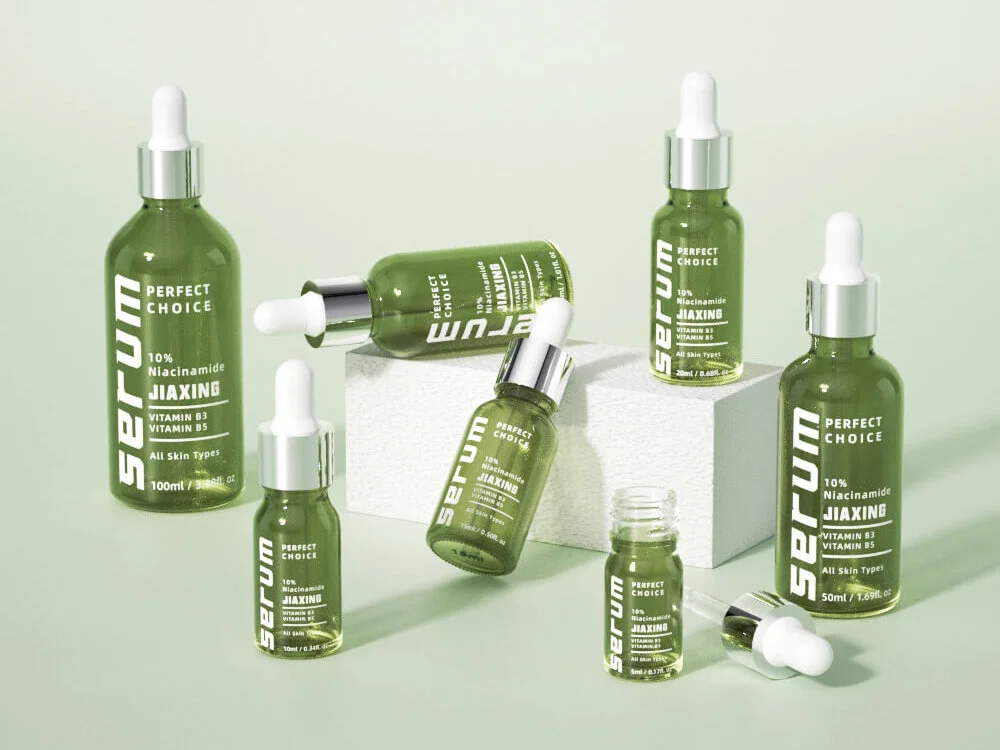

Choosing between etched glass and printed glass can be a pivotal decision for both residential and commercial projects. Each method offers unique visual effects, durability, and customization options. Whether you’re designing architectural features, decorative items, or branded products, understanding the differences between these two techniques will help you select the right solution for your needs. In this article, we’ll explore the processes, advantages, disadvantages, and best use cases for each, so you can make an informed choice for your next glass project.
For those interested in the technical side or looking to avoid common pitfalls, you might also find value in reading about common mistakes in glass printing to ensure your results are both beautiful and long-lasting.
Understanding the Difference Between Etched and Printed Glass
Both etched glass and printed glass are popular for adding decorative or functional designs to glass surfaces. However, the processes and outcomes differ significantly. Let’s break down what sets these two methods apart.
What Is Etched Glass?
Etching involves creating a frosted or textured effect on the glass surface. This is typically achieved through abrasive blasting (sandblasting) or chemical etching using acid creams. The result is a permanent, translucent design that diffuses light and adds privacy without blocking it entirely. Etching can be used for simple patterns, logos, or intricate artwork.
What Is Printed Glass?
Printed glass refers to the application of colored or opaque inks directly onto the glass using screen printing, digital printing, or ceramic frit methods. This technique allows for vibrant colors, gradients, and even photographic images. The print can be applied to one or both sides of the glass and is often cured or fired for durability.
Comparing Etched and Printed Glass: Key Factors
When evaluating etched glass vs printed glass, several factors come into play. Here’s how they stack up in terms of appearance, durability, maintenance, and versatility.
Visual Effects and Design Flexibility
- Etched glass produces a subtle, matte finish that is ideal for understated elegance. Designs are typically monochrome (frosted white on clear glass), but the depth and texture can vary.
- Printed glass offers virtually unlimited color and design possibilities. From bold graphics to full-color photographs, this method is perfect for eye-catching displays and branding.
For inspiration on creative uses, see some glass wall art ideas that showcase the versatility of printed glass in modern decor.
Durability and Longevity
- Etched glass designs are permanent because the surface itself is physically altered. They are resistant to fading, scratching, and most cleaning products.
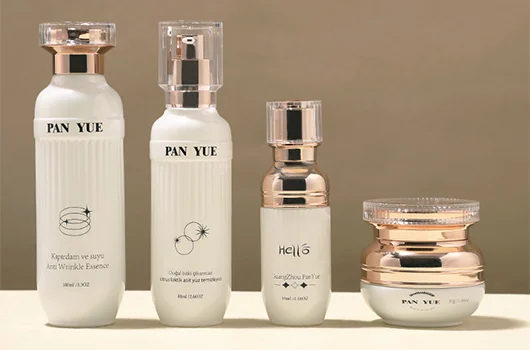
- Printed glass durability depends on the printing method. Ceramic frit and kiln-fired prints are highly durable, while surface-printed inks may be more susceptible to wear if not properly protected.
For industrial or high-traffic applications, consider reading about industrial glass printing uses to see how printed glass holds up in demanding environments.
Maintenance and Cleaning
- Etched glass is easy to clean and does not show fingerprints as readily as smooth, glossy surfaces. However, the textured finish can sometimes trap dirt or grease, requiring occasional deep cleaning.
- Printed glass with a smooth finish is generally easy to wipe clean. If the print is on the exposed surface, care should be taken to avoid abrasive cleaners that might damage the design.
Applications and Best Use Cases
Both techniques have their strengths depending on the intended use:
- Etched glass is ideal for privacy screens, shower doors, office partitions, and signage where a subtle, sophisticated look is desired.
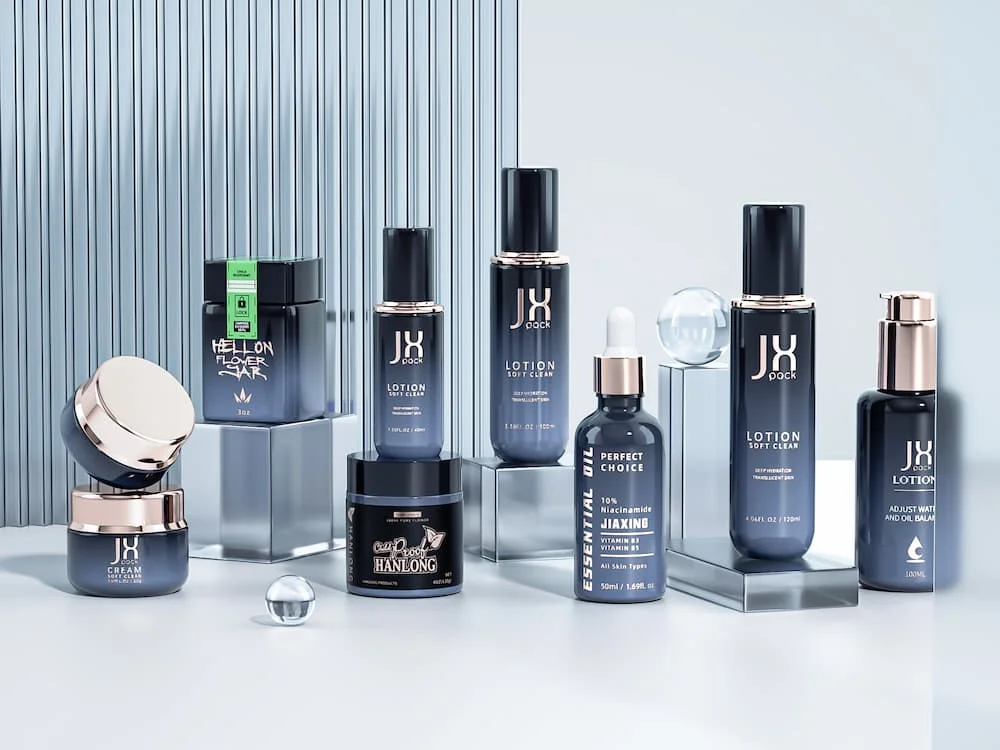
- Printed glass excels in retail displays, branded glassware, architectural features, and art installations where color and detail are important.
For those interested in commemorative or decorative products, see how printed glass memorial products offer personalized and beautiful tributes.
Cost Considerations: Etched vs Printed Glass
Budget is often a deciding factor. Etched glass can be more expensive for custom or large-scale projects due to the labor-intensive process, especially with intricate designs. However, for simple patterns or small runs, the cost may be comparable to printing.
Printed glass offers cost advantages for high-volume or full-color projects. Digital and screen printing methods can produce multiple units quickly, reducing per-piece costs. The choice of ink, curing method, and complexity of the artwork will influence the final price.
Environmental Impact and Safety
Both methods have environmental considerations. Chemical etching uses acids that require careful handling and disposal. Sandblasting generates dust and requires protective equipment. Printed glass, especially with ceramic inks, can be more environmentally friendly if lead-free inks are used and proper filtration is in place during production.
For a deeper dive into print technologies, see this comparison of digital and screen printing for glass, which covers process differences and sustainability aspects.
Which Should You Choose?
The best choice depends on your priorities:
- For timeless, subtle elegance and privacy, etched glass is hard to beat.
- If you want bold colors, branding, or photographic detail, printed glass is the way to go.
- Consider durability, maintenance, and cost in relation to your project’s demands.
Large-scale public installations, such as those discussed in public art on glass installations, often use a combination of both techniques for maximum visual impact and longevity.
Frequently Asked Questions
Is etched glass more durable than printed glass?
Etched glass is generally more durable because the design is physically embedded into the surface, making it resistant to scratches and fading. Printed glass can be highly durable if kiln-fired or protected by lamination, but surface-printed inks may wear over time if exposed to abrasion.
Can you combine etching and printing on the same piece of glass?
Yes, it’s possible to combine both techniques for unique effects. For example, a frosted background (etched) can be enhanced with colorful printed graphics or text, offering both texture and visual interest.
Which method is better for privacy?
Etched glass is often preferred for privacy applications because it diffuses light while obscuring the view. Printed glass can also provide privacy, especially with opaque inks, but may not offer the same soft, diffused effect as etching.




