
Effective navigation is essential in modern spaces, from corporate offices and hospitals to retail environments and public buildings. Wayfinding signs on glass have become a popular solution for providing clear, attractive, and functional directional guidance. These transparent or semi-transparent signs seamlessly blend with architectural elements while delivering vital information to visitors and staff. In this guide, we’ll explore the benefits, design considerations, and best practices for using glass-based wayfinding signage to enhance user experience and spatial clarity.
For those interested in the technical side of glass printing, understanding the common mistakes in glass printing can help ensure your signage projects are both visually appealing and durable.
Why Choose Glass for Directional Signage?
Glass is increasingly favored for wayfinding due to its unique combination of aesthetics and practicality. Here are some reasons why glass is a standout material for directional signage:
- Modern Appeal: Glass signs offer a sleek, contemporary look that complements modern architecture and interior design.
- Transparency: They allow light to pass through, maintaining open sightlines and a sense of spaciousness.
- Durability: When properly treated and installed, glass signage is resistant to scratches, fading, and environmental wear.
- Customization: Glass can be printed, etched, or frosted with a variety of graphics, text, and symbols to suit any branding or informational need.
These advantages make glass an ideal substrate for wayfinding systems in environments where both style and clarity are priorities.
Types of Wayfinding Signs on Glass
There are several techniques for creating wayfinding signs on glass, each with its own visual and functional benefits. The most common methods include:
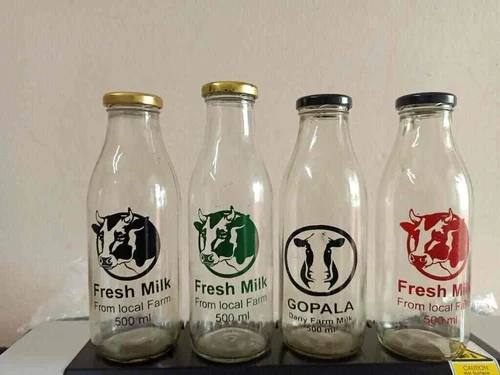
- Screen Printing: This process allows for bold, opaque graphics that are highly visible and long-lasting. Learn more about the advantages of screen printing on glass for signage applications.
- Etching and Sandblasting: These techniques create a frosted or textured effect, offering a subtle yet elegant look. They are ideal for privacy as well as wayfinding.
- Digital Printing: High-resolution images and gradients can be applied directly to glass, enabling intricate designs and full-color graphics.
- Vinyl Decals: Cut vinyl films can be applied to glass surfaces for temporary or permanent signage, allowing for easy updates and removals.
Each method has its own strengths, and the choice often depends on the intended environment, budget, and desired visual impact.
Design Considerations for Glass-Based Wayfinding
Creating effective glass signage requires careful attention to both form and function. Here are some key design principles to keep in mind:
- Contrast and Legibility: Use high-contrast colors and bold fonts to ensure text and symbols stand out against transparent or translucent backgrounds.
- Consistent Iconography: Standardized symbols help users quickly understand directions, especially in multilingual or international settings.
- Placement: Position signs at eye level and in well-lit areas for maximum visibility. Avoid placing glass signs where glare or reflections could obscure information.
- Accessibility: Ensure that signage meets ADA or local accessibility standards, including tactile elements or Braille where required.
- Brand Integration: Incorporate brand colors, logos, and typography to create a cohesive visual identity throughout the space.
For inspiration on decorative techniques, see these colored glass decoration methods that can be adapted for wayfinding purposes.
Installation and Maintenance Tips
Proper installation and upkeep are crucial for the longevity and effectiveness of glass wayfinding signage:
- Secure Mounting: Use specialized hardware designed for glass to prevent damage and ensure stability.
- Edge Finishing: Polished or beveled edges reduce the risk of chipping and enhance the sign’s appearance.
- Cleaning: Regularly clean glass signs with non-abrasive solutions to maintain clarity and prevent buildup of dust or fingerprints.
- Periodic Updates: Review signage periodically to ensure information remains accurate and relevant, especially in dynamic environments.
For more insights into the technical side of printing on glass, explore industrial glass printing uses and how they relate to signage durability and performance.

Printing Techniques for Glass Wayfinding Signs
The choice of printing method can significantly impact the appearance and durability of signage. Some of the most effective techniques include:
- UV Printing: This advanced process uses ultraviolet light to cure inks directly onto glass, resulting in vibrant, fade-resistant graphics.
- Screen Printing: Ideal for large runs and bold designs, screen printing offers excellent opacity and durability.
- Etching: Chemical or abrasive etching creates permanent, tactile markings that are both elegant and functional.
For a deeper dive into these processes, check out this comprehensive guide to glass printing techniques for signage and decorative applications.
Applications and Use Cases
Glass-based wayfinding is used in a variety of settings, including:
- Corporate Offices: Directory signs, meeting room labels, and floor indicators.
- Healthcare Facilities: Patient navigation, department markers, and emergency exits.
- Retail Stores: Section identifiers, promotional messages, and checkout directions.
- Educational Institutions: Classroom numbers, campus maps, and accessibility routes.
Each application benefits from the clarity, durability, and modern look that glass signage provides.
Frequently Asked Questions
What are the main benefits of using glass for wayfinding signage?
Glass offers a modern, professional appearance while maintaining transparency and light flow. It is durable, easy to clean, and can be customized with various printing and etching techniques to suit any environment.
How do you ensure glass wayfinding signs are accessible?
Accessibility is achieved by using high-contrast colors, large fonts, and tactile elements such as raised lettering or Braille. Placement at appropriate heights and compliance with local regulations are also essential.
Can glass signage be updated or changed easily?
Yes, certain methods like vinyl decals allow for quick updates. For permanent signage, modular systems or overlays can be used to update information without replacing the entire sign.
What is the best printing method for long-lasting glass wayfinding signs?
Screen printing and UV printing are both excellent choices for durability and color retention. Etching is also highly permanent and resistant to wear.
Conclusion
Integrating wayfinding signs on glass into your space is a smart way to combine functionality with modern design. By selecting the right materials, printing techniques, and design strategies, you can create signage systems that are both visually appealing and highly effective. Whether you’re outfitting a new facility or upgrading an existing one, glass signage offers a versatile and lasting solution for clear, intuitive navigation.