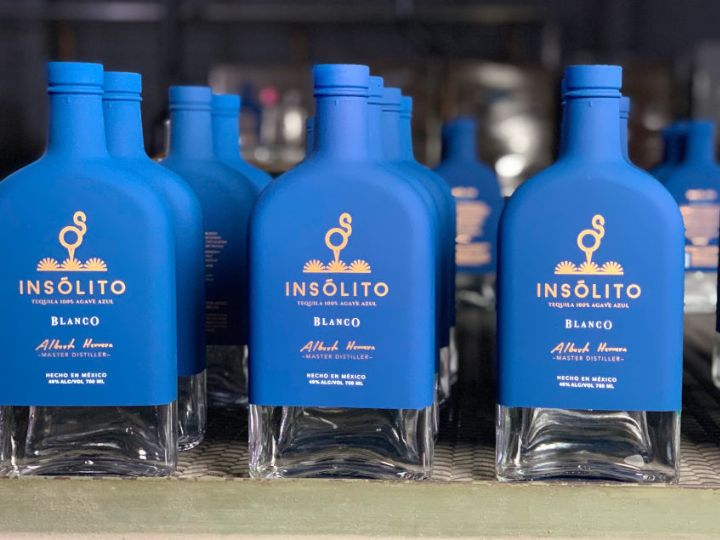

Outdoor displays demand durability and visual impact. Weather resistant glass printing has become a go-to solution for architects, marketers, and designers who need graphics that can withstand the elements without fading, peeling, or losing clarity. This technique allows for vibrant, long-lasting images on glass panels, signage, and installations exposed to sun, rain, wind, and temperature changes.
Understanding the technology, materials, and best practices behind this method is essential for anyone planning to use printed glass outdoors. In this article, we’ll explore how modern printing processes create resilient glass graphics, what makes them suitable for exterior use, and how to maximize both aesthetics and longevity in your projects.
For those interested in exploring related topics, you may want to read about common mistakes in glass printing to ensure your outdoor projects avoid pitfalls and deliver optimal results.
How Outdoor Glass Printing Withstands the Elements
Outdoor glass installations face constant exposure to UV rays, moisture, temperature fluctuations, and physical impacts. Weather resistant glass printing leverages specialized inks, coatings, and curing processes to create graphics that are not only visually striking but also engineered for endurance.
- UV-resistant inks: These pigments are formulated to resist fading and color shifts caused by sunlight.
- Durable coatings: Protective layers, such as ceramic frit or specialized laminates, shield the printed image from scratches, chemicals, and weathering.
- Thermal curing: High-temperature treatments bond the ink to the glass, making it more resilient to peeling and abrasion.
By combining these elements, printed glass panels can maintain their appearance for years, even in harsh climates.
Key Benefits of Weatherproof Glass Graphics
Choosing weather resistant glass printing for outdoor signage or architectural features offers several advantages:
- Longevity: Properly printed and treated glass can last for decades outdoors, reducing the need for frequent replacements.
- Vivid colors: Advanced printing techniques allow for high-resolution images and bold colors that remain vibrant over time.
- Low maintenance: Glass is easy to clean and resists graffiti, stains, and environmental buildup.
- Design flexibility: From translucent effects to full-color graphics, the possibilities are nearly limitless.
These qualities make printed glass ideal for retail storefronts, wayfinding signs, public art, and branded installations.
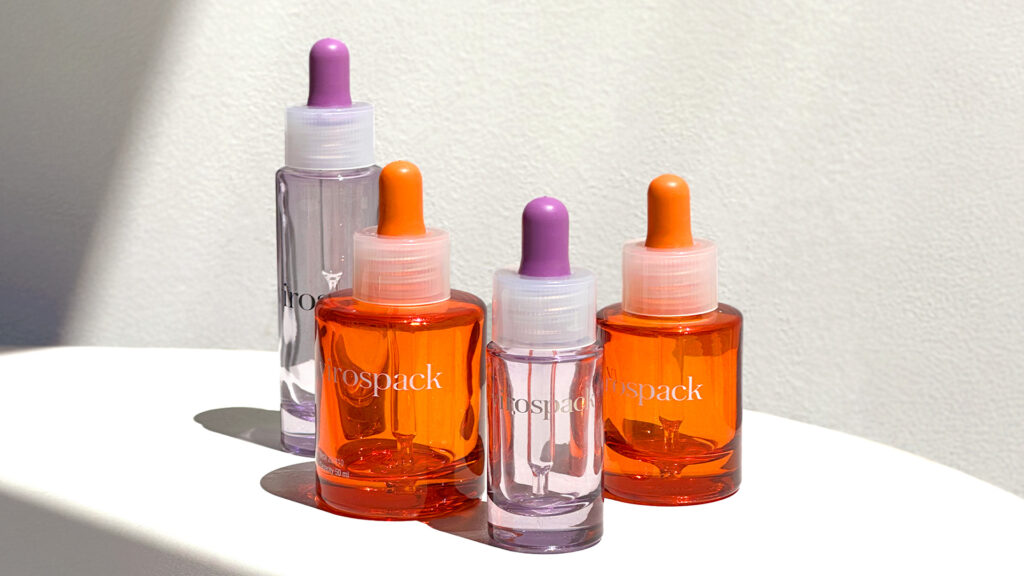
Popular Applications for Weatherproof Glass Printing
Printed glass that stands up to the outdoors is used in a wide range of settings. Here are some common applications:
- Retail and commercial signage: Storefronts, window displays, and corporate branding benefit from durable, eye-catching graphics.
- Architectural features: Facades, balustrades, and partitions can incorporate custom designs or patterns for both function and aesthetics.
- Public art and installations: Glass murals and sculptures in parks or plazas require weather-resistant finishes to preserve their impact.
- Transportation hubs: Airports, train stations, and bus shelters use printed glass for wayfinding and decorative purposes.
For more inspiration on how printed glass can enhance branding, see our article on branding opportunities with printed glass.
Techniques and Materials for Lasting Outdoor Prints
There are several methods used to achieve weather resistant glass printing suitable for exterior environments. The choice of technique depends on the intended use, design complexity, and budget.
Ceramic Frit Printing
This process uses ceramic-based inks that are screen-printed onto glass and then fired at high temperatures. The result is a permanent, scratch-resistant image fused into the surface. Ceramic frit is commonly used for architectural glass and safety glazing.
Digital UV Printing
UV-cured inks are applied directly to the glass using specialized inkjet printers. The inks are instantly cured by ultraviolet light, creating a durable and vibrant image. UV printing is ideal for detailed graphics and short production runs.
Laminated Glass Printing
Printed interlayers, such as PVB or EVA films, are sandwiched between two glass panels and bonded under heat and pressure. This method protects the printed layer from direct exposure and adds safety benefits.
Each method offers unique advantages in terms of durability, color reproduction, and design options. For those interested in exploring the technical side, smart device glass printing delves into precision coatings and advanced processes.
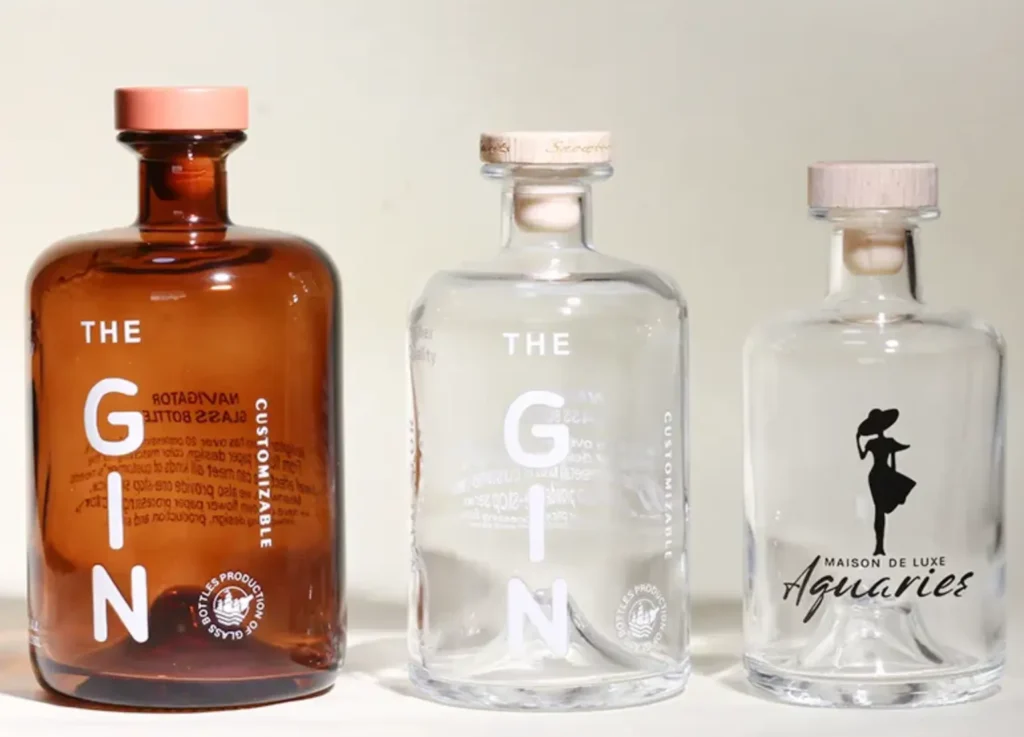
Best Practices for Outdoor Glass Printing Projects
To ensure your printed glass installations deliver maximum performance outdoors, keep these guidelines in mind:
- Choose the right process: Consider the environment, expected lifespan, and design complexity when selecting a printing method.
- Prioritize quality materials: Use high-grade glass, proven inks, and certified protective coatings.
- Work with experienced fabricators: Professionals can advise on technical requirements and help avoid common mistakes in glass printing.
- Plan for installation: Ensure mounting hardware and framing are suitable for outdoor conditions and do not compromise the integrity of the print.
- Maintain regularly: Clean glass surfaces with non-abrasive products and inspect for damage to preserve appearance and function.
For those seeking creative ideas, this guide to glass in luxury interior design offers inspiration that can often be adapted for exterior applications as well.
Frequently Asked Questions
How long do outdoor printed glass panels last?
With proper materials and installation, printed glass designed for exterior use can last 10–20 years or more. Factors such as climate, exposure, and maintenance will influence lifespan, but modern processes ensure impressive durability.
Can weatherproof glass printing be customized for any design?
Yes, digital and screen printing methods allow for nearly any image, pattern, or color palette. Whether you need branding, wayfinding, or decorative effects, custom solutions are available for most project requirements.
Is maintenance difficult for outdoor printed glass?
No, glass is naturally easy to clean and resists most environmental contaminants. Occasional washing with mild soap and water is usually sufficient. Avoid abrasive tools or harsh chemicals to protect the printed surface and coatings.
What types of glass are best for outdoor printing?
Tempered or laminated glass is recommended for safety and durability. These types provide strength and, when combined with weather-resistant printing, offer optimal performance for exterior installations.
Conclusion
Weatherproof printing on glass opens up new possibilities for outdoor displays, signage, and architectural features. By choosing the right techniques and materials, you can achieve vibrant, enduring graphics that stand up to the elements and enhance any environment. For further reading on creative applications, check out our article on colored glass decoration methods for vibrant spaces or explore industrial glass printing uses for manufacturing and tech sectors.