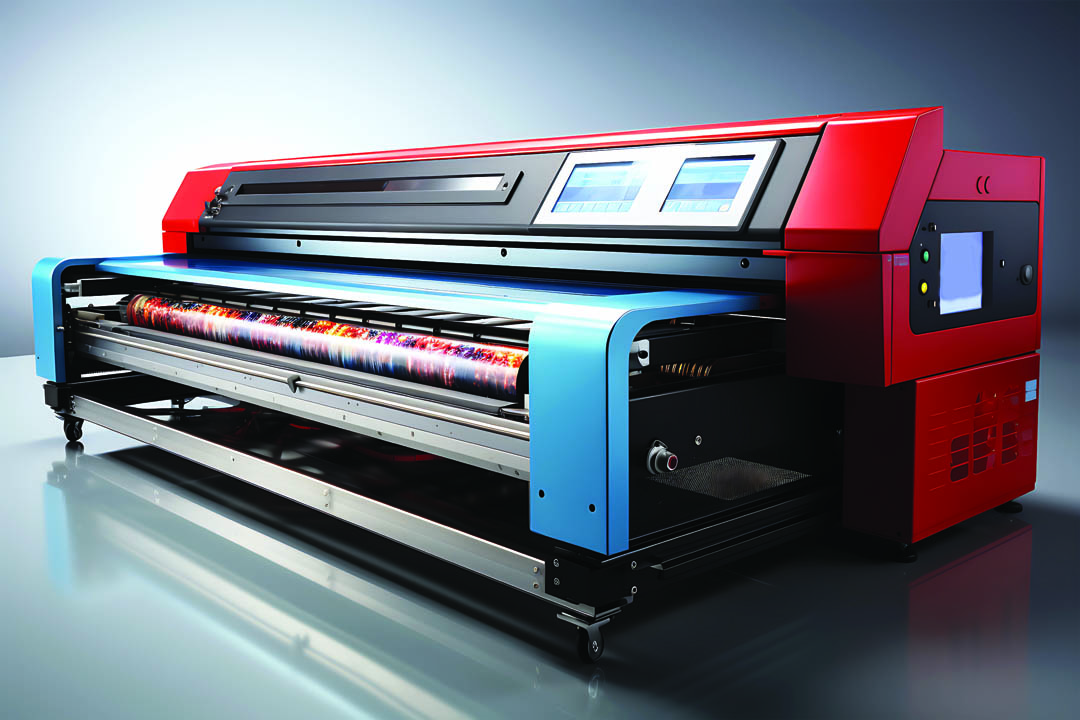

Eco solvent printing has become a popular choice for businesses and print professionals seeking high-quality, durable graphics with a reduced environmental impact. This technology uses specially formulated inks that emit fewer volatile organic compounds (VOCs), making it a more sustainable alternative to traditional solvent printing. In this guide, we’ll explore how eco solvent printing works, its advantages, common applications, and how it compares to other print methods.
Understanding the benefits and limitations of eco solvent technology can help you make informed decisions for your signage, packaging, and promotional material needs. If you’re interested in broader trends in sustainable print, you may also want to read about a practical guide to solvent-free printing processes for additional context.
Understanding the Eco Solvent Printing Process
At its core, eco solvent printing uses inkjet printers equipped with eco-friendly solvent inks. These inks are derived from mineral oils and contain significantly fewer hazardous chemicals than traditional solvent inks. The process involves spraying tiny droplets of ink onto various substrates, such as vinyl, banners, or canvas, where the ink is absorbed and then cured through air drying or gentle heat.
One of the key differences between eco solvent and standard solvent printing is the chemical composition of the ink. Eco solvent inks are designed to be less aggressive, which means they produce less odor and are safer for both operators and the environment. This makes them suitable for indoor applications and workplaces with limited ventilation.
Key Benefits of Eco Solvent Printing
There are several reasons why businesses are turning to this environmentally conscious print method:
- Reduced Environmental Impact: Eco solvent inks emit fewer VOCs, making them a greener option for print shops and clients concerned about sustainability.
- Versatile Substrate Compatibility: This technology can print on a wide range of materials, including self-adhesive vinyl, banners, canvas, and certain fabrics.
- Durability: Prints produced with eco solvent inks are resistant to fading, water, and scratches, making them suitable for both indoor and outdoor use.
- High Image Quality: The inks produce vibrant colors and sharp details, ideal for graphics, signage, and displays.
- Lower Operating Costs: Compared to some other print technologies, eco solvent printers often require less maintenance and have lower ink consumption rates.
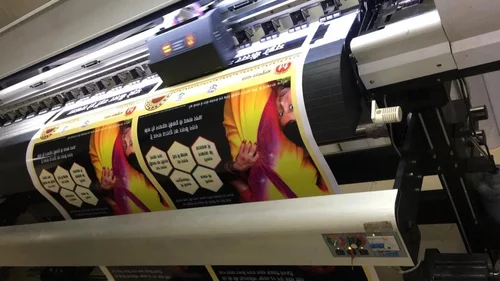
Common Applications for Eco Solvent Printing
This printing method is widely used across various industries due to its versatility and environmental advantages. Some of the most common uses include:
- Outdoor Banners and Signage: Thanks to its weather-resistant properties, eco solvent prints are ideal for billboards, shop signs, and event banners.
- Vehicle Wraps: The flexibility and durability of eco solvent inks make them suitable for car, van, and bus graphics.
- Wall Murals and Interior Decor: Low odor and vibrant results allow for safe use in homes, offices, and retail spaces.
- Labels and Stickers: The technology supports high-resolution printing on adhesive materials for custom labels and decals.
- Backlit Displays: Eco solvent prints can be used for illuminated signs and displays, offering vivid color even when lit from behind.
For a deeper look at how this technology is applied in advertising, including backlit banners and fabric films, you can explore the benefits and applications of eco solvent printing for backlit banner fabric film in advertising.
Comparing Eco Solvent Printing to Other Print Methods
When evaluating print technologies, it’s helpful to understand how eco solvent compares to alternatives like latex, UV, and traditional solvent printing:
| Feature | Eco Solvent | Latex | UV | Traditional Solvent |
|---|---|---|---|---|
| Environmental Impact | Low VOC, eco-friendly | Water-based, very low emissions | Low VOC, but uses UV lamps | High VOC, less eco-friendly |
| Print Durability | Excellent for outdoor/indoor | Good, especially for indoor | Very high, instant cure | Very high, but more toxic |
| Substrate Range | Wide (vinyl, canvas, banners) | Wide (including paper, textiles) | Very wide (rigid & flexible) | Mainly vinyl and banners |
| Odor | Low | Very low | Low | Strong |
| Cost | Moderate | Moderate to high | High | Low to moderate |
Each method has its strengths, but eco solvent stands out for its balance of quality, durability, and environmental responsibility. For those interested in specialty packaging, you might also find value in learning about what is sublimation printing for specialty packaging.
Materials and Substrates Compatible with Eco Solvent Inks
One of the main advantages of this technology is its compatibility with a broad range of substrates. Here are some of the most popular materials used:
- Self-adhesive vinyl (for stickers, decals, and wraps)
- PVC banners and mesh
- Canvas (for art reproductions and decor)
- Backlit film
- Photo paper and specialty films
It’s important to select substrates specifically rated for eco solvent inks to ensure optimal adhesion and color vibrancy. Some specialty materials, such as certain fabrics or rigid boards, may require pre-treatment or specific printer settings.
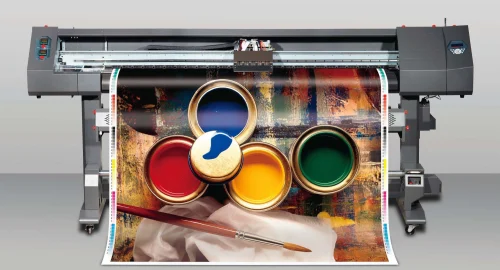
Maintenance and Best Practices for Eco Solvent Printers
To maximize print quality and equipment lifespan, regular maintenance is essential. Here are some best practices:
- Perform routine nozzle checks and clean print heads as recommended by the manufacturer.
- Store inks in a cool, dry place and use them within their shelf life for optimal results.
- Keep the printer’s environment dust-free to avoid print defects.
- Use only compatible substrates and follow curing guidelines for each material.
Following these steps helps ensure consistent, high-quality output and minimizes downtime.
Eco Solvent Printing and Design Trends
As sustainability becomes a greater priority, eco solvent technology is influencing modern design and packaging. For example, there’s a growing interest in trends in wood-grain and natural textures on print, which can be effectively reproduced using eco solvent inks on specialty substrates. This allows brands to combine eco-friendly production with visually appealing, tactile finishes.
Frequently Asked Questions
Is Eco Solvent Printing Safe for Indoor Use?
Yes, eco solvent inks emit fewer harmful chemicals and have a much lower odor than traditional solvent inks, making them suitable for indoor graphics, wall murals, and displays.
How Long Do Eco Solvent Prints Last Outdoors?
With proper substrate selection and installation, prints can last up to three years outdoors without significant fading or degradation. Lamination can further extend their lifespan.
Can Eco Solvent Printers Handle Photographic Quality?
Absolutely. These printers are capable of producing high-resolution, photo-quality images with vibrant colors and fine details. For tips on achieving top-tier results on challenging substrates, see this guide to photographic quality on corrugated flutes.
What Maintenance Is Required for Eco Solvent Printers?
Routine maintenance includes cleaning print heads, performing nozzle checks, and using inks and substrates recommended by the manufacturer. This ensures optimal print quality and equipment longevity.
Conclusion
Eco solvent printing offers a compelling combination of environmental responsibility, durability, and versatility. It’s an excellent choice for businesses and designers seeking high-quality results with a reduced ecological footprint. By understanding the process, benefits, and best practices, you can make the most of this technology for a wide range of applications, from signage and vehicle wraps to interior decor and specialty packaging.