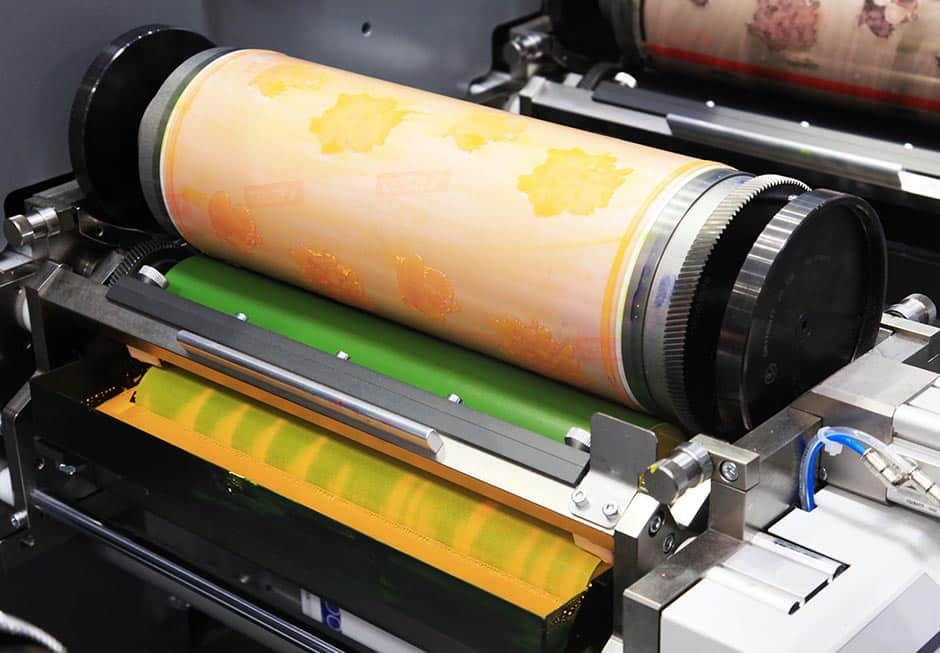

Water-resistant bio-coatings are transforming the way packaging, textiles, and various industrial materials are protected against moisture. As sustainability becomes a priority in manufacturing, these innovative coatings offer an eco-friendly alternative to traditional petroleum-based barriers. This guide explores the fundamentals of bio-based water-repellent coatings, their applications, benefits, and the latest trends shaping their development.
With growing environmental regulations and consumer demand for greener solutions, industries are seeking materials that combine performance with sustainability. Bio-coatings derived from renewable resources are increasingly used to enhance the durability and functionality of products, especially in packaging. For those interested in related advancements, exploring trends in wood-grain and natural textures on print can provide additional insights into sustainable packaging innovations.
Understanding Bio-Based Water-Repellent Coatings
Bio-coatings are protective layers made from natural polymers, plant-based oils, or other renewable materials. Their primary function is to prevent water penetration, thereby extending the lifespan and usability of the underlying substrate. Unlike conventional coatings, which often rely on plastics or synthetic chemicals, bio-based options are designed to be biodegradable or compostable, reducing environmental impact.
Common sources for these coatings include starch, cellulose, chitosan, and proteins. Manufacturers may also use bio-based waxes or fatty acids to enhance hydrophobic properties. The resulting coatings can be applied to paper, cardboard, textiles, and even certain plastics, making them versatile for a range of industries.
Key Benefits of Water-Resistant Bio-Coatings
Switching to bio-based water barriers offers several advantages:
- Environmental sustainability: Derived from renewable resources, these coatings are often biodegradable or compostable, minimizing landfill waste.
- Reduced reliance on fossil fuels: By using plant-based ingredients, manufacturers decrease their dependence on petroleum-derived materials.
- Safe for food contact: Many bio-coatings are non-toxic and suitable for direct contact with food, making them ideal for packaging in the food industry.
- Customizable performance: Formulations can be adjusted to balance water resistance, breathability, and mechanical strength for specific applications.
These benefits make bio-coatings an appealing choice for brands looking to improve their sustainability credentials while maintaining product integrity.
Applications Across Industries
Water-resistant bio-coatings are being adopted in a variety of sectors:
- Packaging: Used on paper cups, food containers, and corrugated boxes to prevent leaks and maintain freshness.
- Textiles: Applied to fabrics for outdoor gear, medical textiles, and uniforms to provide moisture protection without sacrificing comfort.
- Construction materials: Used on wood, drywall, and insulation to enhance durability and resist mold growth.
- Agriculture: Coatings for mulch films and seed coatings help regulate moisture and improve crop yields.
In packaging, for example, bio-based coatings are replacing polyethylene liners in cups and cartons, enabling easier recycling and composting. For those interested in advanced printing techniques on sustainable substrates, the article on how to achieve photographic quality on corrugated flutes provides practical guidance.
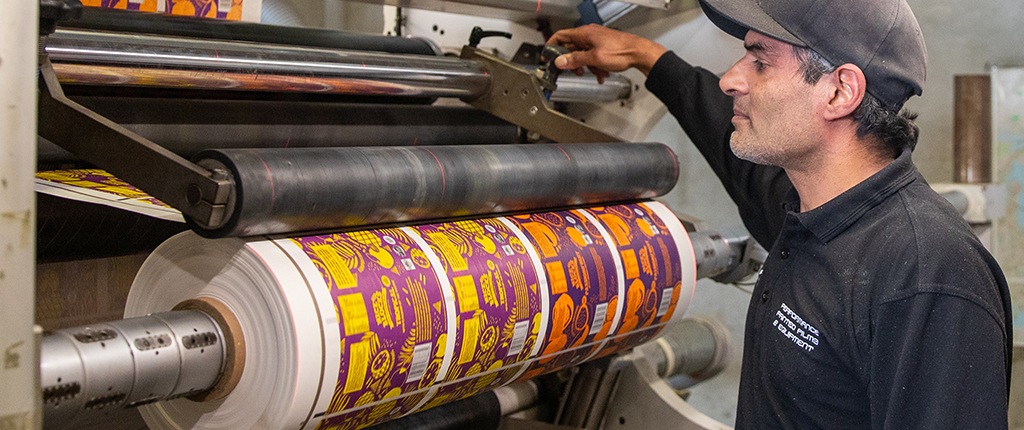
How Water Resistance Is Achieved in Bio-Coatings
The effectiveness of a bio-based coating in repelling water depends on its composition and application method. Key strategies include:
- Hydrophobic additives: Incorporating natural waxes, oils, or fatty acids to create a water-repellent surface.
- Cross-linking agents: Using enzymes or non-toxic chemicals to strengthen the polymer network, reducing water permeability.
- Layered structures: Applying multiple thin layers to enhance barrier properties without compromising flexibility.
Advanced techniques, such as nano-structuring or using bio-based nanoparticles, can further improve water resistance while maintaining biodegradability. The choice of method depends on the intended use, required durability, and regulatory requirements.
Challenges and Limitations
While bio-coatings offer many advantages, there are still challenges to address:
- Performance under extreme conditions: Some bio-based coatings may not match the water resistance of synthetic alternatives in high-humidity or high-temperature environments.
- Cost and scalability: Production costs can be higher, especially for novel materials or small-scale applications.
- Compatibility with recycling streams: Not all bio-coatings are compatible with existing recycling infrastructure, which can limit their adoption.
Ongoing research is focused on improving performance, lowering costs, and ensuring that bio-coatings can be easily integrated into current manufacturing and recycling systems.
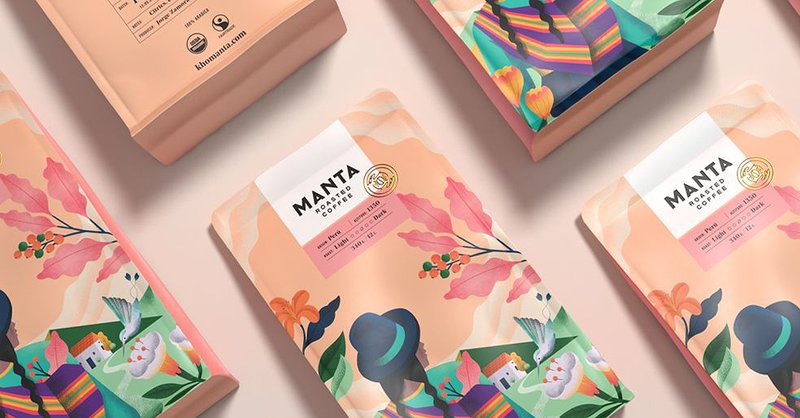
Recent Innovations and Market Trends
The field of water-repellent bio-coatings is rapidly evolving. Recent innovations include coatings derived from algae, mushroom mycelium, and agricultural waste, which offer unique properties and improved sustainability. Companies are also exploring solvent-free application methods to further reduce environmental impact. To learn more about eco-friendly printing, see this guide to solvent-free printing processes.
Market demand is being driven by stricter regulations on single-use plastics and increased consumer awareness of environmental issues. Brands are responding by adopting compostable packaging and investing in research to enhance the performance of bio-based coatings. According to industry experts, the future of digital packaging will likely see even greater integration of sustainable materials and smart coating technologies. For a deeper look at these trends, visit this analysis of the future of digital packaging.
Choosing the Right Bio-Coating for Your Needs
Selecting an appropriate water-resistant bio-coating depends on several factors:
- End-use requirements: Consider the level of water resistance, durability, and regulatory compliance needed for your application.
- Substrate compatibility: Ensure the coating adheres well to the material being protected, whether it’s paper, textile, or another substrate.
- Environmental certifications: Look for coatings that meet recognized standards for compostability, recyclability, or food safety.
- Cost-effectiveness: Balance performance with budget constraints, especially for large-scale production.
Consulting with suppliers and testing different formulations can help identify the best solution for your specific needs. As the market matures, more options are becoming available, making it easier to find a coating that aligns with both performance and sustainability goals.
Frequently Asked Questions
What makes a bio-coating water-resistant?
Water resistance in bio-coatings is typically achieved by incorporating hydrophobic natural substances such as waxes, oils, or fatty acids. These ingredients form a barrier that repels water, preventing it from penetrating the coated surface.
Are water-resistant bio-coatings safe for food packaging?
Many bio-based coatings are formulated to be non-toxic and suitable for direct contact with food. However, it is important to verify that the specific coating meets relevant food safety standards and certifications before use in food packaging.
Can these coatings be recycled or composted?
Most bio-coatings are designed to be biodegradable or compostable, but their compatibility with recycling or composting systems can vary. Always check product specifications and local waste management guidelines to ensure proper disposal.
How do bio-coatings compare to traditional synthetic coatings?
While bio-coatings offer environmental benefits and are often safer for food contact, they may have limitations in terms of water resistance or durability under extreme conditions compared to some synthetic options. Ongoing research is closing this performance gap.
Where can I learn more about sustainable packaging and printing trends?
For further reading, explore resources on what is sublimation printing for specialty packaging and the future of cobots in packaging decoration to stay updated on the latest industry developments.