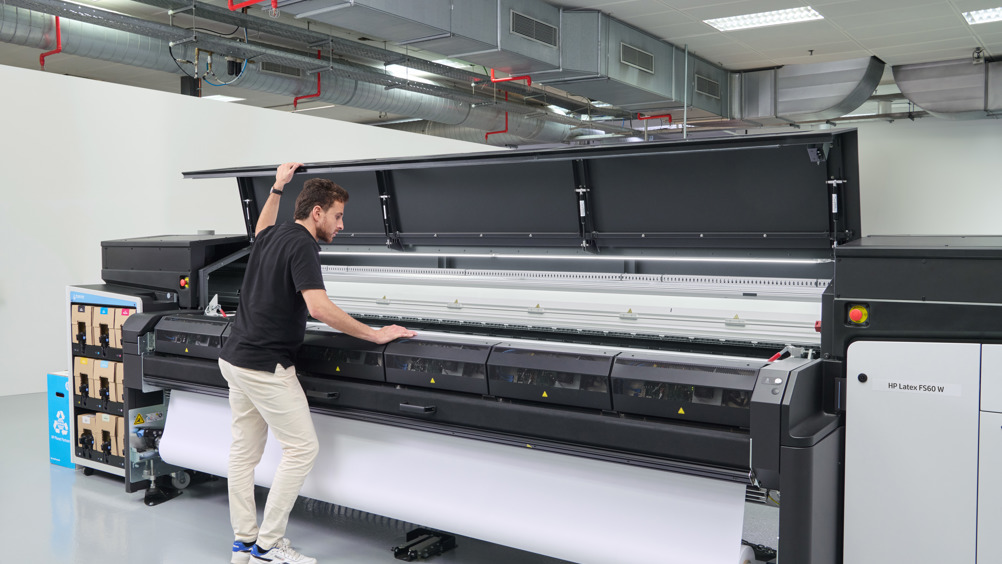

Heating systems in latex printing play a crucial role in the quality, efficiency, and versatility of modern print production. These integrated thermal components ensure that latex inks cure properly, adhere to a wide range of substrates, and deliver vibrant, durable results. For businesses and professionals seeking to optimize their print workflows, understanding the functions and advantages of these heating mechanisms is essential.
Latex printing has gained popularity for its eco-friendly credentials, fast turnaround, and compatibility with diverse media. At the heart of this technology are carefully engineered heating elements that manage ink drying and curing. This article explores how these systems work, their impact on print quality, and why they are a key differentiator compared to other digital printing methods.
For those interested in broader industry trends, you may also want to explore the trends in wood-grain and natural textures on print, which highlight how advanced print technologies are shaping packaging aesthetics.
How Heating Mechanisms Work in Latex Printers
In latex printing, heating systems are designed to support each stage of the print process, from ink deposition to final curing. These systems typically consist of three main zones:
- Pre-heater: Warms the substrate before ink is applied, promoting optimal ink spread and adhesion.
- Print zone heater: Maintains a stable temperature during printing to ensure consistent ink performance.
- Curing heater: Applies higher heat after printing to evaporate water from the latex ink and cure the latex polymer, resulting in a durable, scratch-resistant finish.
Each zone is precisely controlled to match the requirements of different media types and print speeds. This multi-stage approach ensures that the ink dries quickly without damaging sensitive substrates or causing color shifts.
Key Benefits of Advanced Heating Systems
Integrating sophisticated heating technology into latex printers offers several important advantages for print providers and end users:
- Instant Drying and Handling: Prints emerge dry to the touch, enabling immediate finishing, cutting, or packaging. This reduces production bottlenecks and speeds up delivery times.
- Consistent Color and Image Quality: Controlled heating prevents ink bleeding, mottling, or uneven gloss, resulting in sharp, vibrant images across the entire print run.
- Media Versatility: Adjustable heat settings allow printing on a wide range of materials, including vinyl, textiles, paper, and specialty films, without warping or distortion.
- Durability and Scratch Resistance: Proper curing ensures that prints withstand handling, outdoor exposure, and cleaning, making them suitable for signage, vehicle wraps, and décor applications.
- Eco-Friendly Operation: Water-based latex inks combined with efficient heating systems reduce VOC emissions and energy consumption compared to traditional solvent-based processes.
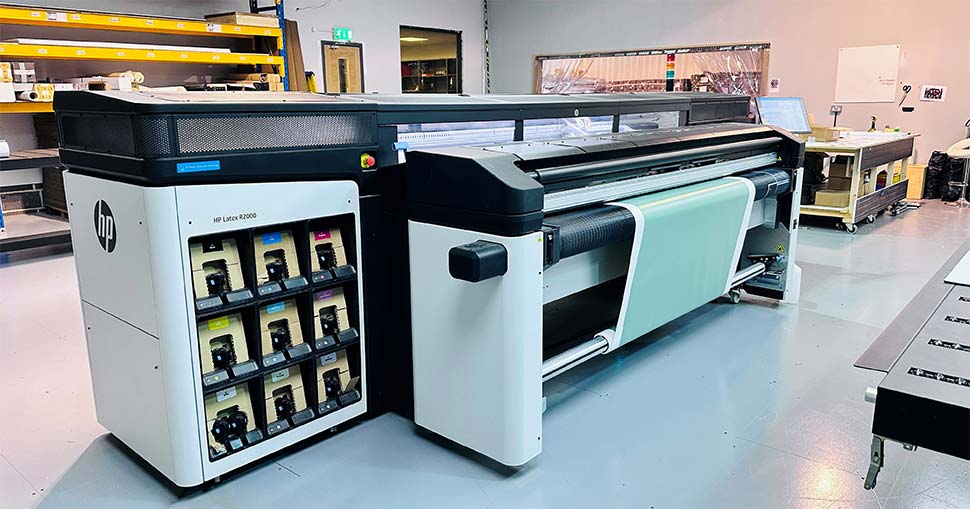
Comparing Latex Heating Technology to Other Print Methods
One of the main distinctions between latex and other digital printing technologies lies in the way inks are dried and cured. For example, eco-solvent printers rely on slower evaporation and often require outgassing before lamination, while UV printers use ultraviolet light to cure inks instantly on the surface.
Latex printers, by contrast, use a combination of heat and air movement to drive off water and set the latex polymer. This approach offers a balance between fast turnaround and substrate safety, with no lingering solvent odors or hazardous emissions. For a deeper comparison of these technologies, see this detailed guide on latex vs. eco-solvent printing.
Optimizing Print Quality Through Temperature Control
Achieving the best results with latex printing depends on careful management of heating parameters. Most modern printers allow operators to fine-tune pre-heat, print zone, and curing temperatures for each media profile. This flexibility is vital for:
- Preventing substrate deformation or shrinkage
- Ensuring full ink curing for outdoor durability
- Maintaining color accuracy and gloss consistency
Regular calibration and monitoring of heating elements also help maintain consistent output over time. Using a monitor calibrator ensures that what you see on screen matches the final print, minimizing costly reprints and waste.
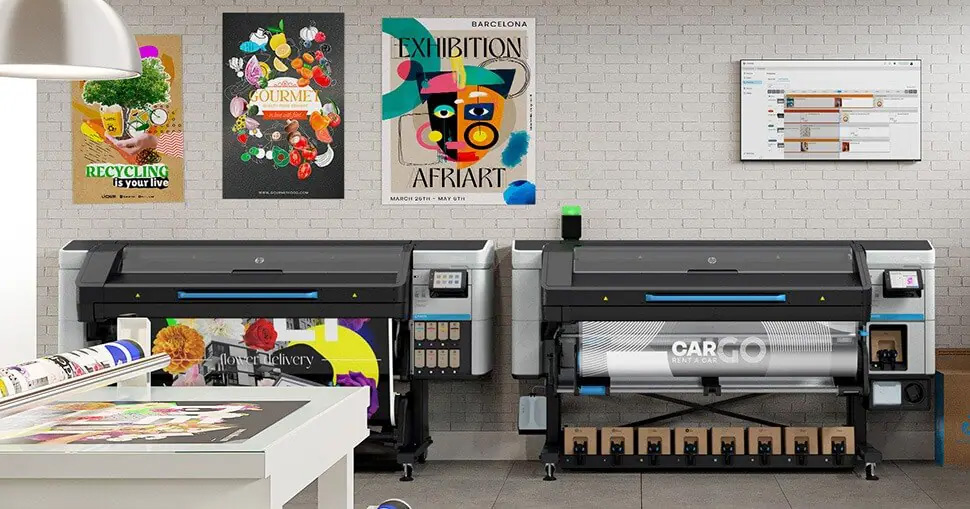
Applications Enhanced by Efficient Heating in Latex Printing
The precise temperature control offered by latex printer heating systems enables a wide range of creative and commercial applications, such as:
- Indoor and outdoor signage
- Wallcoverings and interior décor
- Vehicle graphics and wraps
- Retail displays and point-of-sale materials
- Textile and soft signage
Because prints are immediately dry and ready for use, businesses can respond quickly to market demands and offer rapid turnaround on custom projects. This capability is especially valuable for packaging, where speed and quality are critical. For further insights on specialty packaging, see the overview of sublimation printing for specialty packaging.
Maintenance and Troubleshooting Tips
To keep heating systems operating at peak performance, regular maintenance is essential. Here are some practical tips:
- Clean heating elements and air filters according to manufacturer guidelines to prevent dust buildup.
- Check for firmware updates that may improve temperature control or energy efficiency.
- Monitor temperature sensors and recalibrate as needed to ensure accurate readings.
- Inspect for signs of uneven heating, such as inconsistent drying or color shifts, and address promptly.
Proactive care extends the life of your printer and ensures consistent, high-quality output for every job.
FAQ: Heating Systems and Latex Print Production
What happens if the heating system in a latex printer malfunctions?
If the heating mechanism fails, prints may emerge wet, sticky, or with poor adhesion. This can lead to smudging, color inconsistency, or even substrate damage. Regular maintenance and prompt repairs are crucial to avoid production delays and quality issues.
Can all substrates handle the heat used in latex printing?
Most substrates designed for latex printing are engineered to withstand the required temperatures. However, very thin or heat-sensitive materials may require lower heat settings or specialized profiles. Always consult the media manufacturer’s recommendations and test new materials before full production.
How does latex heating technology compare to UV curing?
While both methods offer instant drying, latex systems use heat and airflow to cure water-based inks, resulting in flexible, odorless prints. UV curing uses ultraviolet light to harden inks, which can be less flexible and sometimes emit odors. The choice depends on application needs, substrate compatibility, and environmental considerations.
Conclusion
Modern latex printers rely on advanced heating systems to deliver fast, high-quality, and versatile print results. By ensuring proper ink curing and substrate compatibility, these systems help businesses meet demanding production schedules and expand their service offerings. For those considering a shift to more sustainable and efficient print processes, latex technology offers a compelling balance of performance and environmental responsibility. To further explore solvent-free approaches, see the practical guide to solvent-free printing processes.