Ceramic printing on glass has become a preferred method for achieving long-lasting, vibrant graphics on bottles, panels, and decorative items. By fusing ceramic inks directly into the glass surface, this process creates designs that are not only visually striking but also highly resistant to scratching, fading, and environmental exposure. Whether for branding, architectural features, or custom art, this technique delivers results that endure for years.
Understanding the fundamentals of this process, its applications, and how it compares to other glass decoration methods is essential for anyone considering permanent glass graphics. If you’re interested in learning about common mistakes in glass printing and how to avoid them, you’ll find additional insights that complement the information in this guide.

How Permanent Glass Decoration Works
The core of ceramic printing on glass lies in the use of specialized ceramic inks. These inks contain finely ground glass particles and inorganic pigments. Once applied to the glass surface—typically via screen printing or digital printing—the item is fired at high temperatures in a kiln. This firing process causes the ceramic ink to fuse with the glass, resulting in a permanent, scratch-resistant image.
This method stands apart from surface-level printing or vinyl decals, which can peel or fade over time. The fusion process ensures that the decoration becomes an integral part of the glass itself, making it ideal for both functional and decorative applications.
Key Benefits of Ceramic Fused Designs
- Durability: The fused image is highly resistant to abrasion, UV exposure, chemicals, and repeated washing.
- Vivid Colors: Ceramic pigments produce rich, opaque colors that remain stable over time.
- Versatility: Suitable for flat and curved surfaces, including bottles, windows, tiles, and more.
- Safety: Ceramic inks are lead-free and safe for use on items that come into contact with food or beverages.
- Customization: Enables intricate patterns, logos, and even photographic images, depending on the printing method.
Common Applications for Fused Glass Printing
Permanent glass decoration is widely used across industries. Some of the most common applications include:
- Beverage Bottles: Branding and labeling for wine, spirits, and specialty drinks.
- Architectural Glass: Decorative panels, privacy screens, and building facades.
- Tableware: Custom designs on glasses, mugs, and plates.
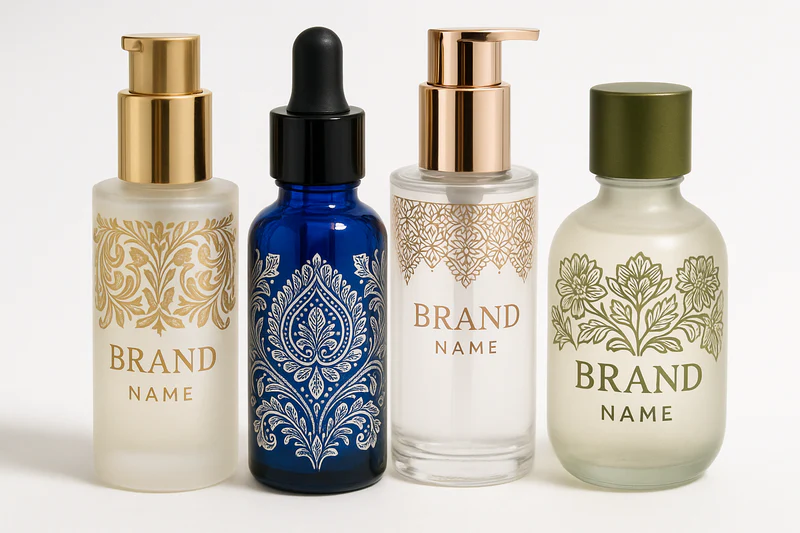
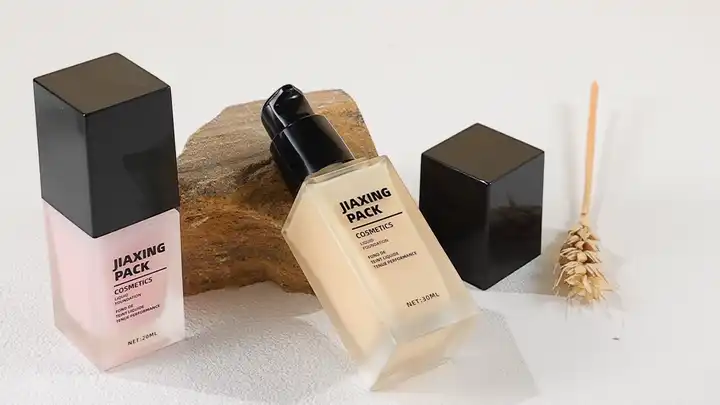
- Cosmetic Packaging: High-end branding for perfume and lotion bottles.
- Art Glass: Murals, signage, and limited-edition pieces.
Techniques for Applying Ceramic Inks
There are two primary ways to apply ceramic inks to glass: screen printing and digital printing. Each has its own advantages and is suited to different project requirements.
Screen Printing
This traditional method uses a mesh screen to transfer ink onto the glass. It’s ideal for high-volume production and simple, bold designs. Screen printing is cost-effective for large runs and produces a thick, durable ink layer.
Digital Ceramic Printing
Digital technology allows for more complex, multi-color, and photo-realistic images. Specialized printers deposit ceramic inks directly onto the glass, which is then fired to achieve permanence. This method is perfect for short runs, custom projects, or when variable data (like serial numbers) is needed.
For a detailed comparison between these two approaches, see this comprehensive article on digital versus screen printing for glass.
Comparing Ceramic Printing to Other Glass Decoration Methods
While fused ceramic decoration is renowned for its permanence, it’s not the only way to personalize glass. Other techniques include sandblasting, acid etching, and UV printing. Each has its own strengths and limitations:
| Method | Durability | Color Options | Best For |
|---|---|---|---|
| Ceramic Printing | Permanent, fused | Opaque, vibrant | Branding, art, signage |
| Sandblasting | Permanent, textured | Frosted only | Logos, patterns |
| Acid Etching | Permanent, subtle | Frosted only | Fine detail, privacy |
| UV Printing | Surface only | Full color | Short-term, prototypes |
For a deeper dive into the differences between printing and engraving, visit our resource on glass printing vs engraving.
Choosing the Right Process for Your Project
When selecting a method for decorating glass, consider the following factors:
- Intended Use: Will the item be exposed to frequent handling, washing, or outdoor conditions?
- Design Complexity: Do you need multi-color images or simple logos?
- Quantity: Are you producing a few custom pieces or thousands of identical items?
- Budget: Screen printing is cost-effective for large runs, while digital printing offers flexibility for smaller batches.
- Surface Shape: Flat and curved surfaces may require different approaches.
For colorful, durable, and intricate designs, fused ceramic decoration is often the top choice. If you’re interested in other creative options, explore our article on colored glass decoration methods for vibrant spaces.
Tips for Achieving the Best Results
- Work with experienced printers who specialize in glass and ceramics.
- Ensure artwork is high-resolution and color-separated for screen printing.
- Test samples before full production to confirm color accuracy and adhesion.
- Specify lead-free inks for food-contact items.
- Understand kiln firing requirements for your specific glass type.
For industrial and technical applications, see our overview of industrial glass printing uses in manufacturing and technology.
Frequently Asked Questions
Is ceramic printing on glass dishwasher safe?
Yes, fused ceramic designs are highly resistant to washing, including in dishwashers. The image becomes part of the glass, so it will not peel or fade with regular cleaning.
Can I use ceramic printing on curved surfaces like bottles?
Absolutely. Both screen and digital ceramic printing methods can be adapted for cylindrical and irregular shapes, making them suitable for bottles, jars, and other curved items.
How does ceramic printing compare to UV printing for glass?
While UV printing offers vibrant colors and fast turnaround, it only adheres to the surface and can wear off over time. Ceramic printing, by contrast, fuses the image into the glass, providing unmatched durability and longevity.
Are ceramic inks safe for food and drink containers?
Modern ceramic inks are formulated to be lead-free and safe for use on items that come into contact with food and beverages. Always confirm with your printer that the inks meet safety standards for your intended application.