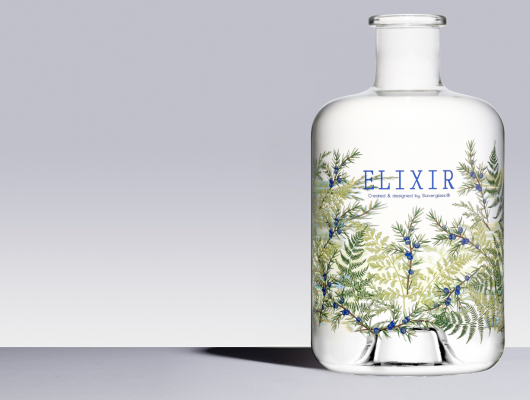

Architectural glass printing has transformed the way designers and builders approach modern spaces. By merging advanced printing technology with glass, it’s now possible to create both visually striking and highly functional surfaces for buildings, interiors, and public installations. This guide explores the main methods, creative applications, and structural benefits of printed glass in architecture, along with practical considerations for anyone interested in this innovative field.
As the demand for unique facades and custom interior elements grows, understanding the techniques and advantages of printed glass is essential. Whether you’re an architect, designer, or property owner, learning about these processes can help you make informed decisions for your next project. For those interested in technical pitfalls, see common mistakes in glass printing for practical tips on avoiding errors.
How Printed Glass Is Changing Modern Architecture
Printed glass is no longer just a decorative element—it’s a core material in contemporary design. The ability to apply intricate patterns, gradients, and even photographic images directly onto glass panels opens up new creative possibilities. These advancements allow for the integration of branding, privacy features, and light control directly into building envelopes and interiors.
With the help of digital and screen printing, architects can specify custom graphics, textures, and colors that are both durable and UV-resistant. This means facades, partitions, and balustrades can be tailored to fit the vision of any project, from bold urban landmarks to subtle residential features.
Key Techniques in Architectural Glass Printing
There are several main methods used to apply designs to glass in architectural settings. Each offers unique benefits and is suited to different project requirements. Understanding these techniques helps in choosing the right approach for your design and performance needs.
- Screen Printing: A traditional process where ceramic inks are pushed through a mesh screen onto the glass. This method is ideal for repeating patterns and bold colors. For more on the durability and benefits, see advantages of screen printing on glass.
- Digital Printing: Uses advanced inkjet technology to apply high-resolution images and gradients. Digital methods allow for full-color, photo-realistic designs and are highly flexible for custom projects.
- Etching and Sandblasting: These techniques create frosted or textured effects by removing part of the glass surface. While not technically printing, they are often combined with printed elements for layered visual effects.
For a deeper dive into the technical side, the article how to print on glass: techniques and options explained provides a comprehensive overview of the processes and machinery involved.

Design Possibilities with Custom Glass Printing
The design flexibility offered by printed glass is unmatched. From subtle gradients that control sunlight to bold graphics that define a building’s identity, the options are vast. Here are some popular uses:
- Privacy Screens: Patterns or frosted effects can obscure views while allowing light to pass through, ideal for offices and bathrooms.
- Feature Walls: Large-scale graphics or branded elements can turn glass partitions into focal points in lobbies or conference rooms.
- Exterior Facades: Durable ceramic inks withstand weathering, making them suitable for building exteriors that require both beauty and longevity.
- Colored Accents: Vibrant colors and gradients can be used to create dynamic effects, as explored in colored glass decoration methods.
Printed glass can also be coordinated with other materials, such as metal or wood, to create layered and multidimensional spaces. The ability to print on curved or shaped glass panels further expands the creative potential for architects and designers.
Structural Benefits of Printed Glass in Buildings
Beyond aesthetics, printed glass offers several structural and performance advantages. The application of ceramic inks, which are fired into the glass at high temperatures, creates a permanent bond that resists scratching, fading, and chemical exposure. This makes printed panels suitable for high-traffic areas and demanding environments.
Other key benefits include:
- Solar Control: Patterns and coatings can reduce heat gain and glare, improving energy efficiency and occupant comfort.
- Safety: Printed glass can be combined with laminated or tempered substrates to meet safety codes without sacrificing design.
- Durability: The inks used in architectural applications are engineered to last for decades, even in outdoor settings.
For industrial and high-performance applications, see how industrial glass printing uses are shaping manufacturing and technology sectors.
Considerations for Successful Glass Printing Projects
To achieve the best results with architectural glass, it’s important to collaborate closely with experienced fabricators and printers. Here are some practical tips:
- Specify the intended use and location of each panel, as this affects ink selection and glass treatment.
- Provide high-resolution artwork and clear color references to ensure accurate reproduction.
- Discuss installation requirements early, especially for large or curved panels, to avoid logistical challenges.
- Review samples and mockups before full production to confirm color, opacity, and finish.
For those working on smart buildings or tech-integrated spaces, learn more about smart device glass printing and how precision coatings are enabling new functionality.
Frequently Asked Questions
What types of designs can be printed on architectural glass?
Nearly any design can be applied, from simple patterns and gradients to full-color photographs and complex graphics. The choice of printing method—screen or digital—will affect the resolution and color range available.
Is printed glass durable enough for exterior use?
Yes, when ceramic inks are fired into the glass, the result is highly durable and resistant to weather, UV exposure, and abrasion. This makes it suitable for facades, canopies, and other outdoor applications.
Can printed glass contribute to energy efficiency?
Absolutely. By controlling the amount of light and heat entering a building, printed glass can help reduce cooling loads and glare, supporting energy-efficient building design.