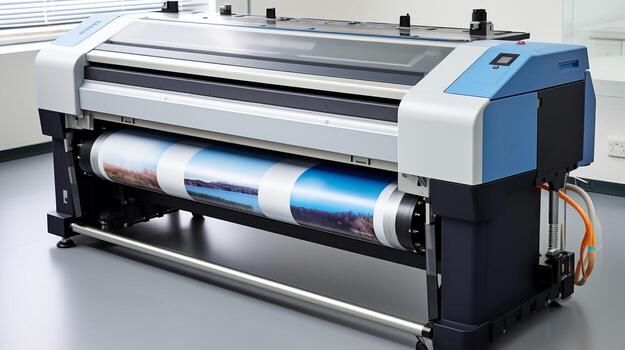

Understanding eco solvent ink drying time is crucial for anyone involved in large-format printing, signage, or graphic production. The speed at which your prints dry affects not just workflow efficiency, but also the final quality and durability of your output. Whether you’re a print shop owner, a designer, or a business investing in eco-friendly printing solutions, knowing how long eco solvent inks take to dry—and what factors influence this process—can help you avoid common pitfalls like smudging, color shifting, or delayed production schedules.
This article explores the science behind drying times, practical tips for optimizing your print environment, and how to troubleshoot common drying issues. For those interested in broader innovations in print production, you may also find value in learning about what is digital prototyping for packaging and how it can speed up your workflow.
What Affects Eco Solvent Ink Drying Speed?
Several factors determine how quickly eco solvent inks set on a substrate. Unlike water-based inks, these formulations use mild solvents that evaporate at a moderate rate, balancing fast drying with minimal environmental impact. Here are the main variables:
- Material Type: Vinyl, canvas, paper, and fabric all absorb and interact with ink differently. Non-porous materials like vinyl typically require longer drying times than porous substrates.
- Ambient Conditions: Temperature, humidity, and airflow play a significant role. Warm, dry, and well-ventilated environments accelerate solvent evaporation, while cold or humid spaces slow it down.
- Ink Layer Thickness: Heavier ink deposits take longer to dry. High-saturation prints or multiple passes will extend the process.
- Printer Settings: Print speed, heater settings, and fan usage all influence how quickly ink dries on the media.
For a deeper understanding of eco solvent printing technology and its environmental benefits, see this comprehensive overview of eco solvent printing.
Typical Drying Times for Eco Solvent Inks
On average, eco solvent ink drying time ranges from 2 to 24 hours, depending on the conditions and materials involved. Here’s a general breakdown:
- Touch Dry: Most prints are dry to the touch within 5–30 minutes, especially if heaters or fans are used.
- Handling Dry: For safe handling, cutting, or rolling, allow at least 1–2 hours after printing.
- Full Cure: Complete solvent evaporation and ink curing can take 12–24 hours. This ensures maximum adhesion, scratch resistance, and color stability.
It’s important not to laminate, ship, or install prints until the ink has fully cured. Premature handling can lead to smearing, reduced durability, or adhesion issues.
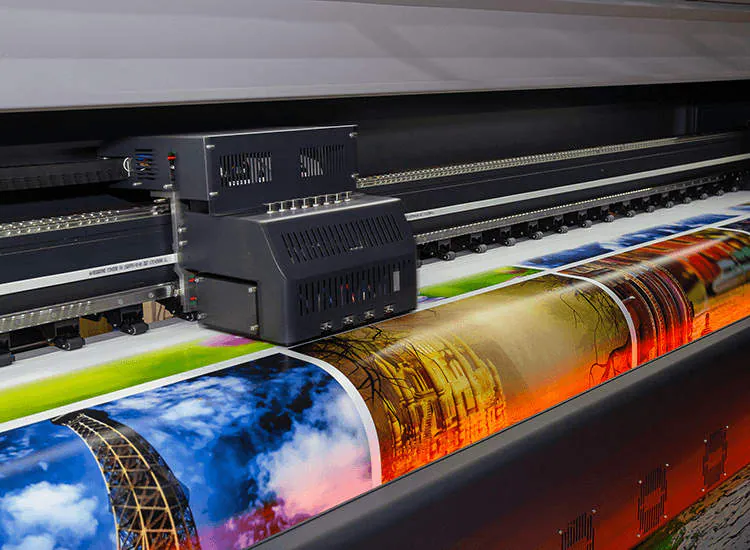
Optimizing Your Print Environment for Faster Drying
Managing your workspace can significantly reduce drying times and improve print quality. Here are some practical steps:
- Increase Airflow: Use fans or ensure good ventilation to help solvents evaporate more quickly.
- Control Temperature: Maintain a consistent room temperature between 20–28°C (68–82°F) for optimal results.
- Reduce Humidity: High humidity slows solvent evaporation. Dehumidifiers can help keep levels below 60%.
- Use Printer Heaters: Most eco solvent printers include pre, platen, and post heaters. Adjust these according to your media and ink load.
- Allow for Adequate Drying Space: Avoid stacking or rolling prints immediately after output. Lay them flat or hang them to dry.
By fine-tuning these variables, you can achieve faster turnaround times without sacrificing quality.
Common Drying Issues and How to Solve Them
Even with the right setup, you may encounter problems related to ink drying. Here are some frequent challenges and solutions:
- Smudging or Tacky Prints: This usually indicates insufficient drying time or high humidity. Increase airflow and allow more time before handling.
- Poor Adhesion or Peeling: If ink lifts during lamination or installation, it likely hasn’t fully cured. Wait at least 24 hours before further processing.
- Color Shifting: Colors may appear dull or change if prints are exposed to moisture before curing. Store prints in a dry, dust-free area.
- Banding or Uneven Drying: Check heater settings and ensure even airflow across the print bed.
Regular maintenance of your printer and workspace can prevent most drying-related issues. For those interested in advanced curing technologies, consider exploring what is electron beam curing in printing for even faster and more robust results.
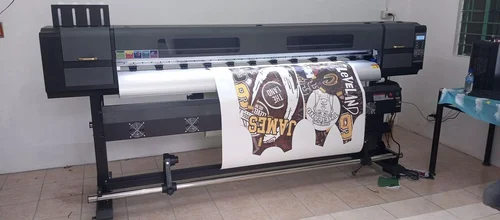
Best Practices for Managing Eco Solvent Ink Output
To ensure consistent results and minimize rework, consider these workflow tips:
- Schedule Production: Plan print jobs so that drying and curing can occur overnight or during off-hours.
- Test New Media: Always run a small test print when switching to a new substrate to confirm drying behavior.
- Monitor Environmental Conditions: Use a hygrometer and thermometer to keep track of workspace humidity and temperature.
- Educate Staff: Train your team on proper handling and storage of freshly printed materials.
- Document Settings: Keep a log of printer settings and environmental data for each media type to streamline future jobs.
Adopting these habits can help you maintain high standards and reduce costly mistakes.
Frequently Asked Questions
How long should I wait before laminating eco solvent prints?
It’s best to wait at least 24 hours after printing before applying any laminate. This ensures the ink is fully cured and prevents bubbling, peeling, or color distortion under the laminate.
Can I speed up drying by using a heat gun or hair dryer?
While gentle heat can help, avoid using high-powered heat guns or hair dryers directly on prints. Excessive heat can damage the media or cause uneven drying. Rely on your printer’s built-in heaters and controlled airflow for best results.
What should I do if my prints remain tacky after several hours?
Persistent tackiness often points to high humidity or insufficient ventilation. Increase airflow, lower humidity, and double-check that your printer’s heaters are functioning properly. If the issue persists, consult your ink or media supplier for compatibility advice.
Conclusion
Managing eco solvent ink drying time is a key part of achieving professional, durable, and visually appealing print results. By understanding the factors that influence drying, optimizing your environment, and following best practices, you can streamline production and deliver top-quality prints every time. For more on color management and print technology, explore the benefits of cloud-based color management for global brands or learn about holographic lamination techniques for eye-catching effects.