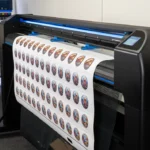
Understanding the eco solvent ink shelf life is essential for anyone using large format printers, sign-making equipment, or other devices that rely on this type of ink. Proper storage and handling not only preserve print quality but also help avoid costly waste and equipment issues. This guide covers how long eco solvent inks last, the factors that affect their longevity, and best practices for storage and usage.
Whether you’re a print shop owner or a hobbyist, knowing how to maximize the usability of your ink can save time and money. We’ll also connect you with additional resources, such as a detailed eco solvent ink packaging types overview, to help you make informed decisions about your printing supplies.
What Is Eco Solvent Ink and Why Shelf Life Matters
Eco solvent inks are formulated for use in wide-format printers, offering a balance between durability and environmental safety. Unlike traditional solvent inks, these contain fewer volatile organic compounds (VOCs), making them safer for indoor use and less harsh on the environment. Their popularity in the signage and graphics industry is due to their ability to produce vibrant, long-lasting prints on a variety of materials.
The shelf life of eco solvent ink is a critical factor for both print quality and printer maintenance. Using ink past its recommended period can lead to color shifts, poor adhesion, clogging, and even permanent damage to printheads. Manufacturers typically specify a shelf life of 12 to 24 months, but this can vary depending on the brand, packaging, and storage conditions.
Key Factors Affecting Eco Solvent Ink Longevity
Several variables influence how long your ink remains usable. Understanding these can help you plan purchases and storage more effectively:
- Manufacturing Date: Always check the production date on the packaging. The shelf life is counted from this date, not the date of purchase.
- Packaging Type: Inks stored in airtight, UV-resistant containers last longer. For more details, see the eco solvent ink packaging types guide.
- Storage Temperature: Ideal storage is between 15°C and 25°C (59°F–77°F). Extreme heat or cold can degrade the ink’s chemical stability.
- Humidity: High humidity can cause condensation inside containers, leading to contamination or separation of ink components.
- Exposure to Light: Direct sunlight or strong artificial light can break down pigments and solvents, shortening the ink’s usable life.
- Seal Integrity: Once opened, the ink’s exposure to air accelerates degradation. Always reseal containers tightly after use.
How to Store Eco Solvent Ink for Maximum Shelf Life
Proper storage is the most effective way to extend the life of your ink. Here are practical steps to follow:
- Keep Containers Sealed: Only open ink bottles or cartridges when you’re ready to use them. After opening, reseal immediately and tightly.
- Store Upright: Place containers upright to prevent leaks and minimize air exposure.
- Control Temperature: Use a climate-controlled storage area. Avoid storing ink near windows, heaters, or air conditioning vents.
- Avoid Direct Light: Store ink in a dark cabinet or use opaque storage bins to block light.
- Monitor Humidity: Keep the storage area dry. If necessary, use desiccants or a dehumidifier.
- First-In, First-Out (FIFO): Use older stock before opening new containers to ensure nothing expires on the shelf.

Recognizing Signs of Expired or Degraded Ink
Even with optimal storage, ink can degrade over time. Using expired or compromised ink can result in poor print quality and equipment problems. Watch for these warning signs:
- Color Changes: Ink that looks faded, separated, or has particles floating in it may be past its prime.
- Unusual Odor: A strong or sour smell can indicate chemical breakdown or contamination.
- Clogged Nozzles: Frequent printhead clogs, even after cleaning, may be due to old ink.
- Poor Adhesion: Prints that scratch off easily or have inconsistent coverage can signal ink degradation.
If you notice any of these issues, it’s best to replace the ink immediately to avoid damaging your printer. For a deeper look at ink quality, see the eco solvent ink quality comparison resource.
Best Practices for Using and Handling Eco Solvent Inks
To get the most from your ink and protect your equipment, follow these usage tips:
- Shake Before Use: Gently shake bottles before filling or refilling to ensure pigments are evenly distributed.
- Label Opened Containers: Mark the date when you first open a container and aim to use it within six months.
- Regular Maintenance: Clean printheads and ink lines according to manufacturer instructions to prevent buildup and clogs.
- Check Compatibility: Always use ink that matches your printer model and manufacturer recommendations. For help, refer to the how to choose eco solvent ink guide.
- Dispose Responsibly: Never pour unused or expired ink down the drain. Follow local regulations for hazardous waste disposal.

Comparing Shelf Life Across Ink Types
Not all inks are created equal when it comes to longevity. While eco solvent inks typically last 1–2 years, other ink types may differ:
| Ink Type | Typical Shelf Life | Storage Notes |
|---|---|---|
| Eco Solvent | 12–24 months | Stable if kept cool, dark, and sealed |
| Aqueous | 6–12 months | Shorter life; sensitive to temperature swings |
| UV-Curable | 12–18 months | Highly light-sensitive; must be stored in opaque containers |
| Traditional Solvent | 24–36 months | Longer life, but higher VOCs and stricter handling |
For a detailed breakdown of how eco solvent inks compare to other formulations, visit the eco solvent ink vs aqueous ink comparison page.
Additional Resources and Industry Insights
Staying informed about the latest advances in ink technology and best practices can help you get the most from your printing investment. For a comprehensive overview of eco solvent ink properties, advantages, and applications, see this in-depth guide to eco solvent ink.
If you’re new to the world of eco solvent printing or considering a switch, the eco solvent ink buying guide is a helpful starting point for beginners.
Frequently Asked Questions
How long does eco solvent ink last after opening?
Once opened, eco solvent ink should be used within six months for best results. Exposure to air accelerates degradation, so always reseal containers tightly and store them properly.
Can I use eco solvent ink past its expiration date?
It’s not recommended. Expired ink can cause print defects, clog printheads, and may void printer warranties. Always check the manufacturing and expiration dates before use.
What is the best way to dispose of old or expired eco solvent ink?
Never pour ink down the drain or into regular trash. Follow your local hazardous waste disposal guidelines or contact your ink supplier for safe disposal options.
Does temperature affect the shelf life of eco solvent ink?
Yes, extreme temperatures can shorten ink life. Store ink in a cool, stable environment away from direct sunlight and heat sources.
How can I tell if my eco solvent ink is still good?
Inspect the ink for changes in color, consistency, or odor. If you notice any separation, particles, or unusual smells, it’s safer to replace the ink.