
The world of luxury packaging printing has experienced remarkable transformation over the past few decades. As brands strive to differentiate themselves in crowded markets, the demand for high-end, visually striking packaging has never been greater. This shift is driven not only by advances in technology, but also by changing consumer expectations around sustainability, personalization, and sensory experience.
Today, the journey from traditional methods to cutting-edge digital and sustainable solutions reveals how packaging has become a powerful tool for storytelling and brand elevation. In this article, we’ll explore the major trends, innovative techniques, and future directions shaping the landscape of premium packaging print.
For those interested in the broader context of packaging innovation, you might also want to read about innovative food packaging printing techniques that are influencing the industry as a whole.
From Classic Craftsmanship to Modern Innovation
The earliest luxury packaging relied on meticulous handcrafting, with artisans using premium materials like silk, velvet, and embossed paper. These traditional methods emphasized exclusivity and attention to detail, but were often limited by scale and consistency.
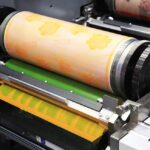
As printing technology evolved, offset and flexographic printing enabled greater precision and efficiency, allowing luxury brands to produce consistent, high-quality packaging at larger volumes. The introduction of foil stamping, embossing, and spot UV coatings further elevated the tactile and visual appeal of premium packaging.
Key Trends Shaping Luxury Packaging Print
The current landscape is defined by several significant trends that are reshaping how brands approach high-end packaging:
- Personalization at Scale: Digital printing technologies now allow for mass customization, enabling brands to create unique packaging for individual customers or limited-edition runs. Variable data printing and short-run capabilities have become essential tools for luxury marketers.
- Sustainability and Eco-Conscious Materials: As consumers become more environmentally aware, luxury brands are adopting recycled papers, biodegradable inks, and minimalistic designs. The move toward sustainable solutions is not just an ethical choice, but a key differentiator in the premium market.
- Multi-Sensory Experiences: Packaging is no longer just about appearance. Tactile finishes, textured papers, and olfactory elements (such as scented varnishes) are being used to create memorable unboxing experiences that engage multiple senses.
- Integration of Smart Technology: QR codes, NFC tags, and augmented reality features are being embedded into packaging, offering consumers interactive experiences and additional product information. For a deeper dive into this topic, see the article on what is smart packaging technology.
- Minimalism and Elegant Simplicity: Clean lines, subtle color palettes, and understated branding are trending, reflecting a shift toward sophistication through simplicity.
Advanced Techniques in High-End Packaging Print
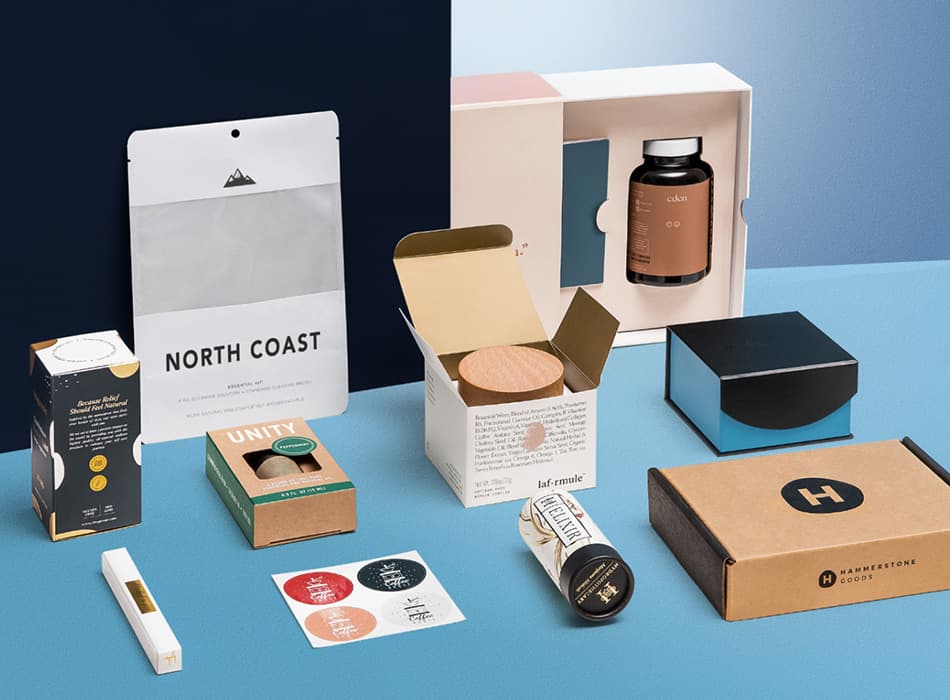
The evolution of luxury packaging printing has brought forth a range of advanced techniques that set premium brands apart. Some of the most impactful methods include:
- Hot Foil Stamping: This process uses heat and metallic foils to create shimmering, reflective designs, often used for logos and accents.
- Embossing and Debossing: By raising or depressing areas of the package surface, these techniques add dimension and tactile interest.
- Spot UV Coating: Selective application of glossy varnish highlights specific areas, creating contrast with matte finishes.
- Laser Cutting: Intricate patterns and cutouts are possible with laser technology, allowing for unique structural designs.
- Digital Enhancement: New digital presses can apply textures, metallics, and even holographic effects in a single pass, reducing waste and turnaround time.
For those interested in the environmental side of these innovations, our guide on how to sustainable packaging printing offers practical steps for implementing eco-friendly solutions.
Materials and Finishes Defining Modern Luxury
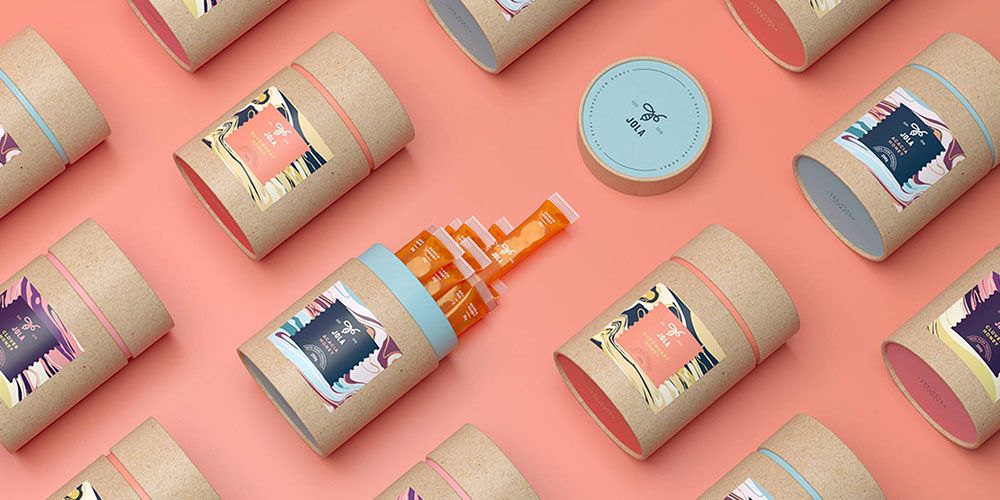
The choice of materials is central to the perception of luxury. Recent years have seen a move toward responsibly sourced papers, plant-based plastics, and innovative substrates such as stone paper and bamboo fiber. These materials are often paired with specialty finishes to create a distinctive look and feel.
Soft-touch coatings, velvet laminates, and pearlescent inks are increasingly popular, providing a tactile and visual richness that signals exclusivity. The use of water-based inks is also on the rise, aligning with both performance and sustainability goals. To learn more about the environmental impact of ink choices, see the article on the benefits of water-based inks in packaging.
Digital Printing and the Future of Premium Packaging
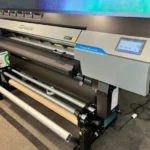
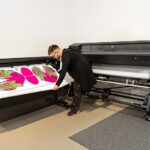
Digital technology is at the forefront of the evolution of luxury packaging printing. With advancements in inkjet and toner-based systems, brands can now achieve photographic quality, vibrant colors, and intricate details without the need for traditional plates or lengthy setup times.
Digital presses also support on-demand production, reducing inventory costs and enabling rapid response to market trends. This flexibility is especially valuable for seasonal promotions, influencer collaborations, and personalized campaigns.
For a comprehensive look at what’s next in digital print, see this in-depth analysis of the future of digital print.
Emerging Directions and Industry Outlook
Looking ahead, the luxury packaging sector is expected to continue evolving in response to both technological innovation and shifting consumer values. Key areas to watch include:
- Greater Integration of Smart Features: Expect to see more interactive elements, such as embedded sensors and digital authentication, enhancing both security and engagement.
- Focus on Circular Economy: Brands are exploring reusable and refillable packaging models, as well as closed-loop recycling systems.
- Data-Driven Design: Analytics and AI are being used to optimize packaging aesthetics and functionality based on real consumer feedback.
For more insights into where the industry is headed, the article on packaging printing trends 2026 provides a forward-looking perspective.
Frequently Asked Questions
What are the most popular finishes in luxury packaging today?
Some of the most sought-after finishes include hot foil stamping, soft-touch lamination, spot UV coating, and embossing. These techniques add both visual and tactile appeal, helping products stand out on the shelf.
How does sustainability influence high-end packaging print?
Sustainability is now a core consideration for luxury brands. Many are opting for recycled materials, water-based inks, and minimalistic designs to reduce environmental impact while maintaining a premium look and feel.
What role does digital printing play in the luxury sector?
Digital printing enables brands to offer personalized and limited-edition packaging with shorter lead times and less waste. It also allows for rapid prototyping and the ability to respond quickly to changing trends.