
The world of glass decoration and manufacturing has evolved rapidly, with float glass printing applications now at the forefront of both industrial and creative sectors. This process allows for detailed, durable, and vibrant designs to be applied directly onto glass surfaces, opening up new possibilities for branding, decoration, and functional enhancements. Whether for architectural projects, consumer products, or high-tech devices, understanding the best uses and techniques for printing on float glass is essential for businesses and designers alike.
In this article, we’ll explore the most impactful ways float glass printing is used today, the industries benefiting from these advancements, and how you can leverage these methods for your own projects. For those interested in avoiding pitfalls, our guide on common mistakes in glass printing offers practical tips to ensure high-quality results.
Understanding the Process of Printing on Float Glass
Float glass is produced by floating molten glass on a bed of molten metal, typically tin, resulting in flat, uniform sheets. This type of glass is widely used due to its clarity and smoothness. When it comes to decorating or adding functionality, several printing techniques are commonly employed:
- Screen Printing: Ideal for bold, opaque designs and industrial applications.
- Digital Printing: Allows for full-color, high-resolution images and gradients.
- UV Printing: Cures inks instantly for fast production and vibrant results.
- Etching and Sandblasting: Used for frosted effects and tactile finishes.
Each method has its own strengths, making it important to choose the right technique based on the intended use and desired appearance. For a deeper dive into the technology, see this comprehensive explanation of glass printing processes.
Key Industries Benefiting from Printed Float Glass
The versatility of float glass printing applications has led to widespread adoption across a range of sectors. Here are some of the most prominent industries utilizing these techniques:
Architectural and Interior Design
Printed glass panels are increasingly popular in architecture, used for decorative walls, partitions, doors, and facades. The ability to print custom patterns, logos, or even photographic images onto large glass sheets enables designers to create unique visual effects and branding elements in commercial and residential spaces. For those interested in vibrant design options, our resource on colored glass decoration methods offers further inspiration.
Consumer Packaging and Branding
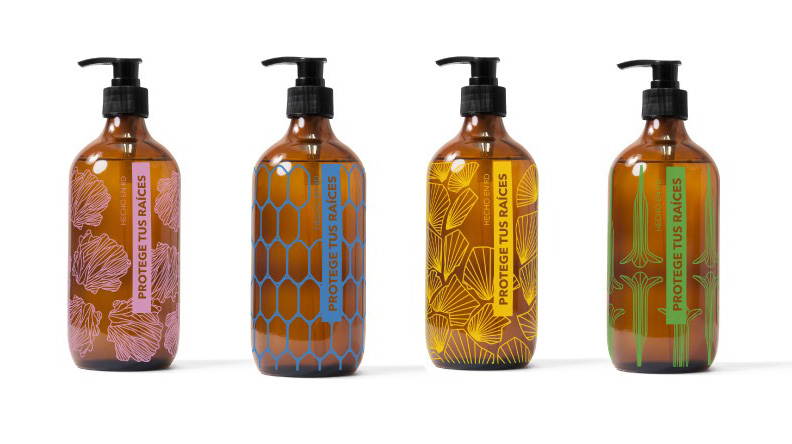
One of the most visible uses of printed float glass is in the packaging industry, especially for cosmetics, perfumes, and luxury beverages. Brands use screen or digital printing to add logos, product information, and decorative elements directly onto bottles and jars, enhancing shelf appeal and brand recognition.
Electronics and Smart Devices
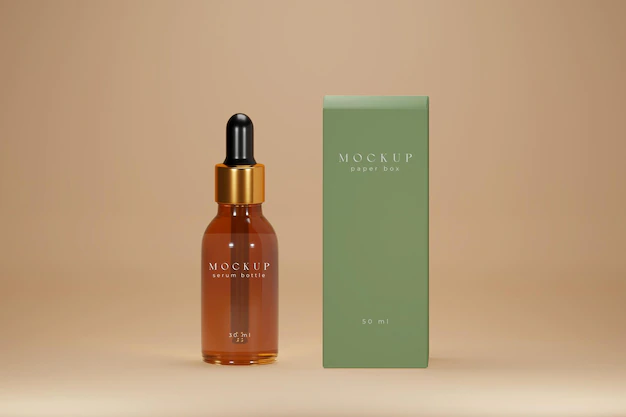
Modern electronics often feature glass surfaces that require precise, durable markings. From touch screens to smart device covers, printing on float glass ensures both functionality and aesthetics. For more on this subject, see our article on smart device glass printing and how advanced coatings are transforming the industry.
Industrial and Technical Uses
In manufacturing, printed float glass is used for control panels, instrument dials, and safety glass with embedded information. These applications demand high durability and resistance to abrasion, making screen printing and UV-curable inks popular choices. For a broader look at industrial trends, our overview of industrial glass printing uses provides additional context.
Advantages of Printing on Float Glass
Choosing to print directly onto float glass offers several unique benefits:
- Durability: Printed designs are resistant to fading, scratching, and chemicals, especially when cured or fired.
- Customization: Both small and large batches can be tailored with unique graphics, text, or branding.
- Design Flexibility: Supports a wide range of colors, finishes, and effects, from opaque to transparent.
- Hygienic and Easy to Clean: Perfect for environments where cleanliness is critical, such as kitchens or laboratories.
For those seeking bold and long-lasting results, our guide on the advantages of screen printing on glass covers why this method remains a top choice for many professionals.
Best Practices for Achieving High-Quality Results
To get the most out of float glass decoration, consider these essential tips:
- Surface Preparation: Clean glass thoroughly to remove dust, oils, or residues that could affect ink adhesion.
- Choose the Right Ink: Use inks formulated for glass, such as ceramic, UV, or epoxy-based options, to ensure durability.
- Test and Calibrate: Always run test prints to check color accuracy, opacity, and adhesion before full production.
- Proper Curing: Follow manufacturer guidelines for drying or firing to maximize resistance and longevity.
- Quality Control: Inspect finished pieces for defects, misalignment, or inconsistencies to maintain high standards.
Emerging Trends in Glass Decoration
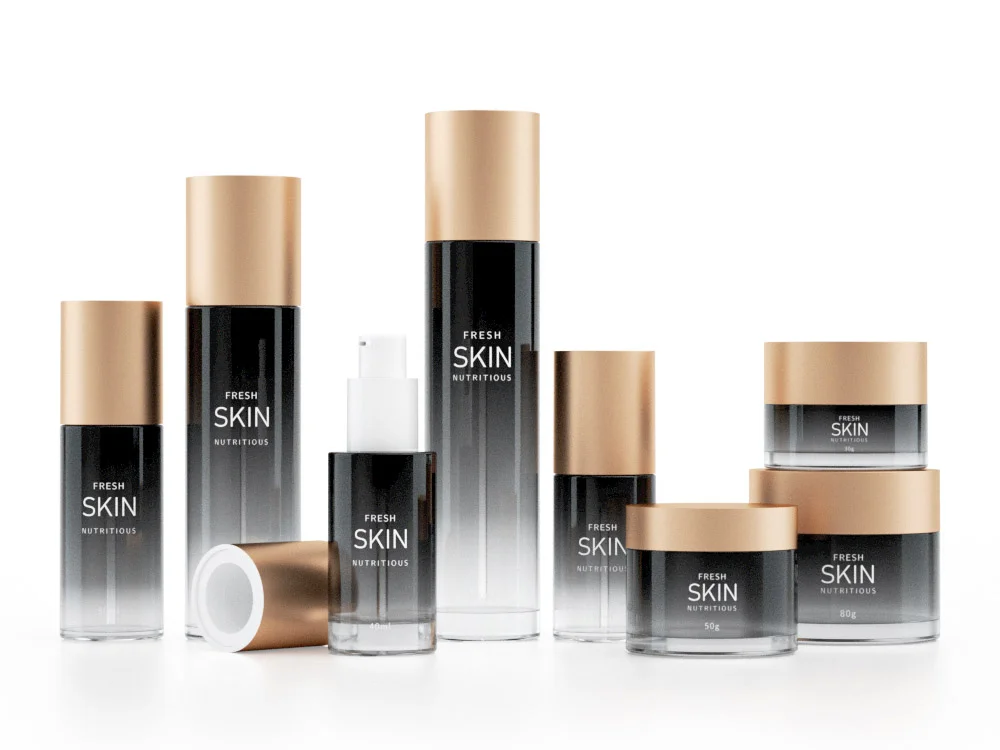
As technology advances, so do the possibilities for float glass printing. Some of the latest trends include:
- Eco-Friendly Inks: Water-based and low-VOC inks are gaining popularity for their reduced environmental impact.
- Interactive and Functional Prints: Conductive inks and smart coatings enable touch-sensitive surfaces and integrated electronics.
- Photorealistic Designs: High-resolution digital printing allows for detailed images and gradients previously impossible with traditional methods.
These innovations are expanding the role of printed glass in both consumer and industrial products, making it an exciting time for designers and manufacturers alike.
Frequently Asked Questions
What types of inks are best for printing on float glass?
Specialized inks such as ceramic, UV-curable, and epoxy-based inks are most suitable for float glass. These inks are formulated to bond securely to glass surfaces and provide excellent durability against abrasion, chemicals, and sunlight.
Can printed float glass be used outdoors?
Yes, when the correct inks and curing processes are used, printed float glass can withstand outdoor conditions. UV-resistant inks and proper sealing are recommended for applications exposed to sunlight and weather.
Is it possible to print full-color images on float glass?
Absolutely. Modern digital and UV printing technologies enable the reproduction of full-color, high-resolution images on glass surfaces, making it ideal for decorative and branding purposes.
Conclusion
The range of float glass printing applications continues to grow, offering solutions for everything from architectural features to consumer packaging and advanced electronics. By choosing the right techniques and materials, businesses and designers can achieve stunning, durable results that stand out in any setting. For those new to the process, starting with the right equipment and understanding best practices is key to success.