

Finding the right partner for your glass printing needs can make a significant difference in the quality, durability, and visual impact of your finished products. Whether you’re a business seeking branded glassware, an interior designer sourcing custom panels, or a manufacturer looking for technical precision, choosing a glass printing company involves more than just comparing prices. You’ll want to evaluate a provider’s technical capabilities, material expertise, service reliability, and track record to ensure your project’s success.
In this guide, we’ll break down the most important factors to consider when selecting a glass printing partner. We’ll also highlight common pitfalls, discuss the latest technologies, and provide practical tips for making an informed decision. For those interested in avoiding frequent errors, you may also want to check out common mistakes in glass printing for additional insights.
Key Factors When Selecting a Glass Printing Service
Not all providers offer the same level of quality or expertise. Here are the main aspects to evaluate before making your choice:
- Printing Technology: The type of printing process—such as screen printing, digital UV, or ceramic ink—affects the outcome. Each method has its strengths, from vibrant colors to durability and cost-effectiveness.
- Material Compatibility: Some companies specialize in certain types of glass, like tempered, laminated, or borosilicate. Ensure your chosen provider can handle your specific substrate.
- Color Accuracy and Resolution: High-quality prints require precise color matching and sharp detail. Ask for samples or proofing options to assess their capabilities.
- Durability and Finish: Consider how the print will be used—will it be exposed to sunlight, moisture, or abrasion? The right company should offer finishes that protect against fading, scratching, and wear.
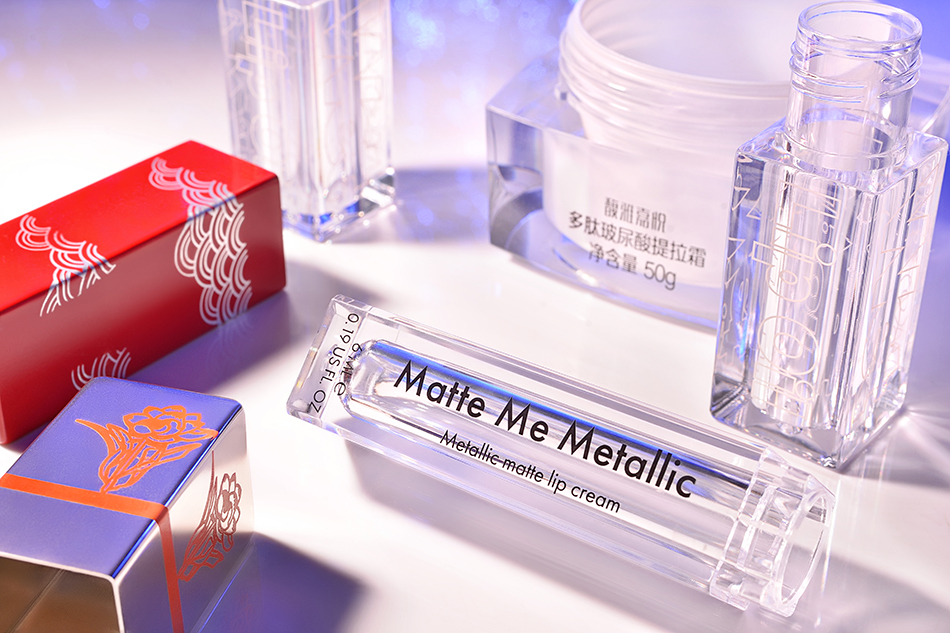
- Customization Options: Look for flexibility in design, size, and special effects like frosted finishes, metallic inks, or textured surfaces.
- Production Capacity: Make sure the provider can meet your volume needs, whether it’s a small batch or a large-scale run.
- Turnaround Time: Reliable timelines are crucial, especially for commercial or event-driven projects. Ask about lead times and rush options.
- Certifications and Compliance: For architectural or industrial uses, certifications (like safety glass standards) may be required.
Evaluating Experience and Reputation
Experience matters in glass printing, as the process demands technical skill and attention to detail. Here’s how you can assess a company’s reputation:
- Portfolio Review: Examine previous projects similar to yours. A diverse and high-quality portfolio is a good indicator of expertise.
- Client Testimonials: Look for feedback from past customers, especially those in your industry.
- Longevity: Companies with years in the business are more likely to have refined their processes and built a reliable supply chain.
- Industry Recognition: Awards, certifications, or partnerships with reputable brands can signal trustworthiness.
For those working with smart devices or high-tech applications, exploring smart device glass printing can provide more specialized information on precision and coatings.
Comparing Printing Methods and Their Applications
The method used for printing on glass will impact the final product’s look, feel, and longevity. Here’s a quick overview of common techniques:
- Screen Printing: Ideal for bold, opaque colors and large runs. It’s durable and cost-effective for simple designs. Learn more about the advantages of screen printing on glass for additional details.
- Digital Printing: Offers high-resolution, full-color images and is perfect for short runs or complex graphics. It’s flexible but may not be as robust as screen printing for heavy use.
- Ceramic Printing: Uses ceramic inks fused into the glass during tempering, creating extremely durable and UV-resistant prints—often used in architectural and industrial applications. For more on industrial uses, see industrial glass printing uses.
- Etching and Sandblasting: Produces frosted or textured effects, often used for decorative or privacy applications.
Each method has its pros and cons, so discuss your project’s requirements with prospective providers to determine the best fit.
Assessing Quality Control and Support
Reliable glass printing companies have robust quality control processes. Here’s what to look for:
- Sample Approval: Reputable providers offer proofs or samples before full production, allowing you to check color, alignment, and finish.
- Inspection Procedures: Ask about their inspection process for defects like bubbles, scratches, or misprints.
- After-Sales Support: Good companies stand behind their work and offer support for any issues that arise post-delivery.
Don’t hesitate to request documentation or references that demonstrate their commitment to quality.

Understanding Pricing and Value
Cost is always a consideration, but the lowest quote doesn’t always deliver the best results. When evaluating pricing, consider:
- Included Services: Does the price cover design setup, proofs, and delivery?
- Material and Ink Quality: Cheaper options may use lower-grade materials, affecting longevity and appearance.
- Volume Discounts: Larger orders often come with better per-unit pricing.
- Hidden Fees: Watch out for extra charges for rush jobs, custom inks, or special finishes.
Request detailed quotes and clarify what’s included to avoid surprises.
Customization and Design Support
Many projects require more than just standard prints. Leading glass printing companies offer:
- In-House Design Assistance: Help with file preparation, color matching, and layout optimization.
- Special Effects: Options like metallic, frosted, or textured finishes for unique visual impact.
- Prototyping: Small-run samples or prototypes for approval before full production.
For inspiration on decorative possibilities, explore colored glass decoration methods that can transform any space with vibrant, custom glasswork.
Staying Informed About Technology and Trends
The glass printing industry continues to evolve, with new inks, machines, and techniques emerging regularly. Staying updated helps you make better choices and ensures your project benefits from the latest advancements. For a deeper dive into the technical side, check out this comprehensive guide to printing on glass that covers processes, materials, and best practices.
Frequently Asked Questions
What is the most durable method for printing on glass?
Ceramic printing, where inks are fused into the glass during tempering, offers the highest durability. This method is ideal for outdoor, architectural, or high-traffic applications due to its resistance to UV, abrasion, and chemicals.
How do I know if a glass printing company can handle my project size?
Ask about their production capacity and request examples of similar-sized projects. Reputable providers will be transparent about their capabilities and lead times for both small and large orders.
Can I print full-color images on glass?
Yes, digital UV printing enables high-resolution, full-color images on glass. However, for long-term durability or outdoor use, ceramic printing may be preferable, even if color options are more limited.
Are there eco-friendly options for glass printing?
Some companies offer environmentally friendly inks and processes. If sustainability is important, inquire about their materials and certifications.
What should I provide to get an accurate quote?
Share detailed artwork files, specify glass type and size, indicate the quantity, and describe any special finishes or effects. The more information you provide, the more accurate your quote will be.
By carefully evaluating these factors and working with a knowledgeable provider, you can ensure your glass printing project meets your expectations for quality, durability, and design. Take the time to research, compare, and communicate your needs clearly for the best results.