
Printing on glass has become a vital technique for industries ranging from packaging and interior design to electronics and art. Understanding how printing on glass works can help businesses, designers, and hobbyists choose the right method for their needs and achieve durable, eye-catching results. This guide explores the main technologies, processes, and considerations involved in transferring designs onto glass surfaces, as well as the advantages and challenges of each approach.
Whether you’re interested in creating custom glassware, branding bottles, or producing decorative panels, learning the fundamentals of glass printing is essential. We’ll cover the most popular methods, the science behind ink adhesion, and practical tips to ensure your projects succeed. If you want to avoid common pitfalls, you may also find value in reading about common mistakes in glass printing for additional insights.
Core Methods for Transferring Designs onto Glass
There are several established ways to apply graphics, text, or patterns to glass surfaces. The choice of technique depends on the desired finish, durability, production scale, and budget. Let’s explore the most widely used approaches:
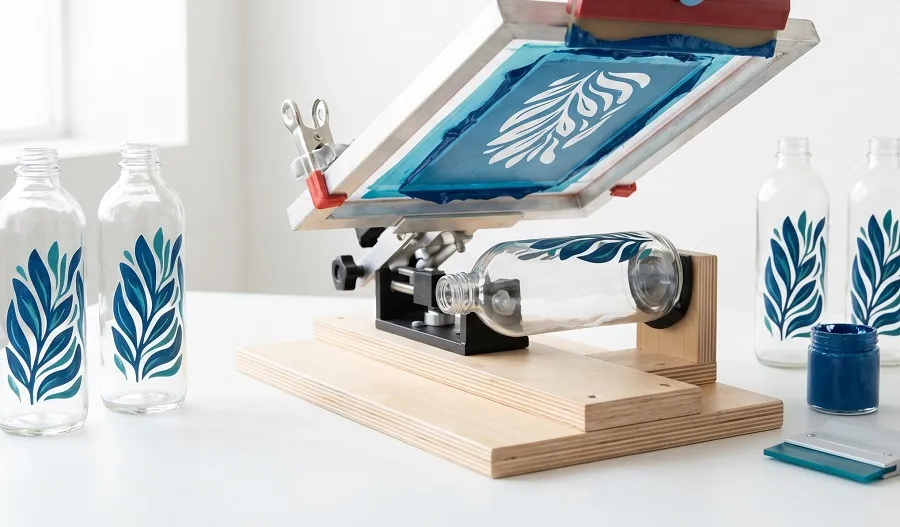
- Screen Printing – A classic process that uses a mesh stencil and ink to transfer designs onto flat or curved glass. It’s ideal for high-volume runs and produces vibrant, long-lasting prints.
- Digital UV Printing – Utilizes inkjet technology and ultraviolet light to cure inks directly on the glass. This method offers full-color, high-resolution images and is suitable for short runs or custom pieces.
- Glass Etching – Involves using abrasive materials or chemicals to create frosted or textured effects. While not technically “printing,” it’s a popular way to personalize glass with logos or artwork.
- Decal Application – Transfers pre-printed designs onto glass using heat or water. Decals are often used for intricate or multicolor images that are difficult to achieve with other methods.
Each method has its own strengths and limitations, which we’ll break down in more detail below.
Screen Printing: The Foundation of Glass Decoration
Screen printing remains one of the most reliable ways to decorate glass, especially for items like bottles, jars, and panels. The process involves pushing ink through a fine mesh screen that has been masked to form the desired image. Here’s how it typically works:
- The glass surface is cleaned and treated to ensure proper ink adhesion.
- A stencil of the design is applied to the mesh screen.
- Specialized ink is spread over the screen and pressed through onto the glass using a squeegee.
- The printed item is cured, often in a high-temperature oven, to bond the ink to the glass permanently.
This approach is valued for its durability and cost-effectiveness in large-scale production. For a deeper look at why this method is so popular, check out the advantages of screen printing on glass in industrial and commercial settings.
Digital UV Printing: Modern Solutions for Customization
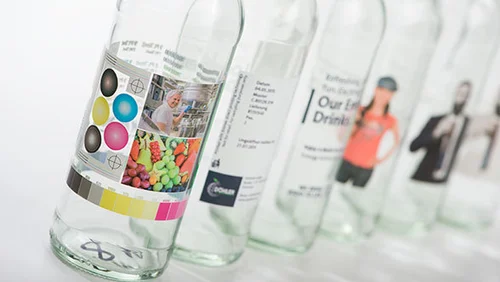
Advancements in digital technology have made it possible to print directly onto glass with exceptional detail and color. Digital UV printers use specialized inks that are instantly cured by ultraviolet light, allowing for rapid production and minimal drying time. Here’s what sets this method apart:
- Supports full-color images, gradients, and even photographic prints.
- Works on both flat and shaped glass objects.
- Enables variable data printing—each piece can be unique.
- Requires minimal setup, making it ideal for small batches or prototypes.
While digital UV printing offers flexibility, it’s important to select inks and pre-treatments that ensure strong adhesion and resistance to abrasion or washing. For more on how this technology is transforming the industry, see the latest trends in smart device glass printing and tech coatings.
Etching and Sandblasting: Creating Texture and Depth
Etching is a process that alters the surface of glass to produce a frosted or matte appearance. This can be achieved chemically, using etching creams, or mechanically, via sandblasting. While not a printing process in the strictest sense, etching is often used to add logos, patterns, or text that won’t fade or peel.
Key benefits include:
- Permanent, tamper-proof decoration.
- Elegant, subtle effects for both functional and decorative glass.
- Compatibility with curved and irregular shapes.
Etching is commonly used for awards, signage, and personalized gifts. For DIY enthusiasts, products like Armour Etch Cream make it possible to achieve professional-looking results at home.
Key Factors Affecting Print Quality and Durability
Achieving high-quality, long-lasting prints on glass requires attention to several important factors:
- Surface Preparation: Glass must be thoroughly cleaned and sometimes treated with primers to help ink or coatings adhere.
- Ink Selection: Not all inks are suitable for glass. Specialized formulations are needed to withstand washing, UV exposure, and abrasion.
- Curing Process: Proper curing—whether by heat or UV light—ensures the design bonds securely to the glass.
- Design Considerations: Fine details and gradients may require digital methods, while bold, simple graphics are well-suited to screen printing.
Manufacturers and artists alike should test their processes and materials to ensure the finished product meets expectations for appearance and performance.
Applications and Industry Uses for Glass Printing
The ability to print on glass has opened up a wide range of applications across industries:
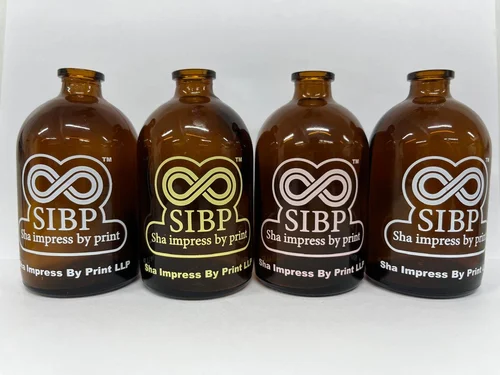
- Packaging: Custom bottles and jars for beverages, cosmetics, and food products.
- Interior Design: Decorative panels, backsplashes, and architectural elements.
- Electronics: Touchscreens, displays, and smart device covers.
- Art and Gifts: Personalized glassware, awards, and commemorative items.
For a closer look at how these methods are used in manufacturing and technology, see the article on industrial glass printing uses. Those interested in colorful effects can also explore colored glass decoration methods for vibrant results.
Comparing Techniques: Which Method Is Right for You?
| Method | Best For | Durability | Setup Cost | Customization |
|---|---|---|---|---|
| Screen Printing | Large runs, simple graphics | High | Medium | Low |
| Digital UV Printing | Short runs, full color | Medium-High | Low | High |
| Etching/Sandblasting | Permanent marks, texture | Very High | Low-Medium | Medium |
| Decals | Complex images, small batches | Medium | Low | High |
For a detailed comparison of the top three processes, see this comprehensive guide to glass printing techniques.
Frequently Asked Questions
What is the most durable way to print on glass?
Screen printing and etching are generally considered the most durable methods, as they create prints that resist fading, scratching, and washing. Proper curing and ink selection are essential for longevity.
Can I print full-color images on glass?
Yes, digital UV printing allows for high-resolution, full-color images to be printed directly onto glass. Decal application is another option for complex or multicolor designs.
Is special equipment needed to print on glass at home?
For DIY projects, you can use screen printing kits or etching creams designed for glass. However, for professional results or large quantities, specialized equipment and inks are recommended.
Conclusion
Understanding how printing on glass works empowers you to select the right technique for your project, whether you’re producing branded packaging, personalized gifts, or architectural features. By considering the strengths of each method and the requirements of your application, you can achieve results that are both visually impressive and built to last.