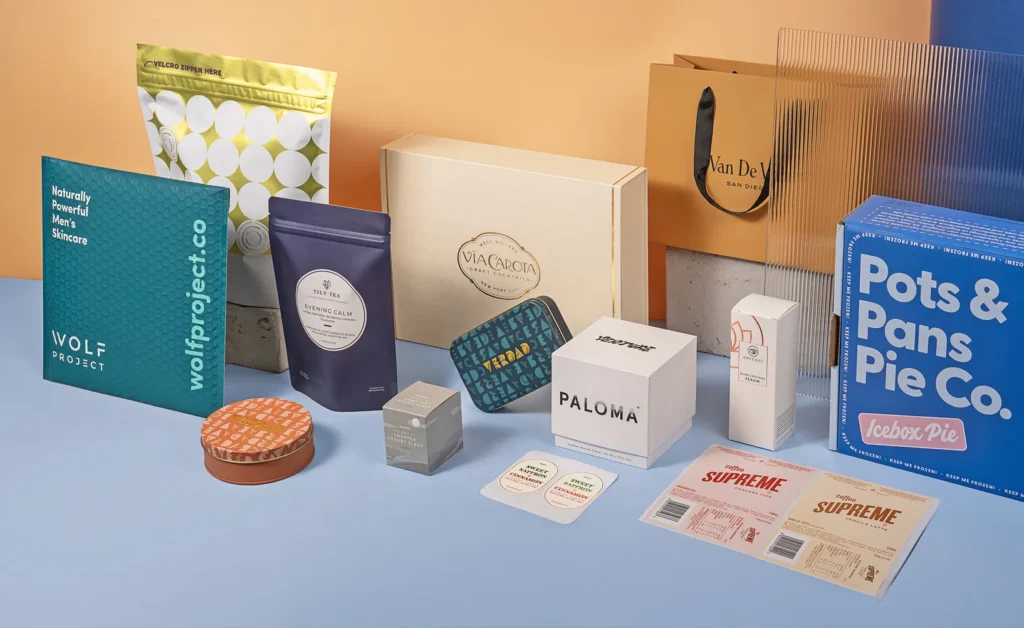

The packaging industry is undergoing a significant transformation as businesses and consumers alike seek more sustainable, efficient, and cost-effective solutions. At the heart of this shift is the future of reusable packaging systems, a concept that aims to minimize waste, reduce environmental impact, and streamline supply chains through innovative design and technology. As regulations tighten and public awareness grows, companies are rethinking how products are packaged, shipped, and reused, making scalable design a crucial element in this evolution.
Reusable packaging is no longer just a niche trend. It is becoming a core strategy for brands looking to meet sustainability goals, lower operational costs, and enhance customer loyalty. From modular containers to smart tracking technologies, the landscape is rapidly changing. For those interested in environmentally friendly production methods, our guide to solvent-free printing processes offers additional insights into sustainable packaging innovations.
Key Drivers Shaping Reusable Packaging Innovation
Several factors are accelerating the adoption of reusable packaging solutions. Environmental regulations, consumer demand for eco-friendly products, and the need for cost savings are pushing companies to rethink traditional single-use models. The future of reusable packaging systems will be shaped by:
- Legislation and Policy: Governments worldwide are introducing bans on single-use plastics and setting ambitious recycling targets. These policies encourage businesses to invest in reusable alternatives.
- Consumer Expectations: Shoppers are increasingly aware of packaging waste and prefer brands that demonstrate environmental responsibility.
- Technological Advances: Smart packaging, IoT tracking, and digital printing enable efficient management and customization of reusable containers.
- Cost Efficiency: While initial investments may be higher, reusable systems can reduce long-term costs through fewer material purchases and lower waste disposal fees.
Scalable Design Principles for Reusable Packaging
For reusable packaging to be effective across various industries, scalability is essential. Scalable design ensures that packaging solutions can be adapted to different product sizes, shipping requirements, and return logistics. Here are some core principles guiding scalable packaging design:
- Modularity: Components that fit together in multiple configurations allow for flexibility and efficient storage.
- Durability: Materials must withstand repeated use, cleaning, and transportation cycles without degrading.
- Standardization: Using standardized sizes and shapes simplifies logistics and increases compatibility across supply chains.
- Ease of Cleaning: Designs should facilitate rapid and thorough cleaning to ensure hygiene, especially in food and healthcare sectors.
- Return Logistics: Efficient systems for collecting, cleaning, and redistributing packaging are vital for operational success.
Emerging Technologies in Circular Packaging Systems
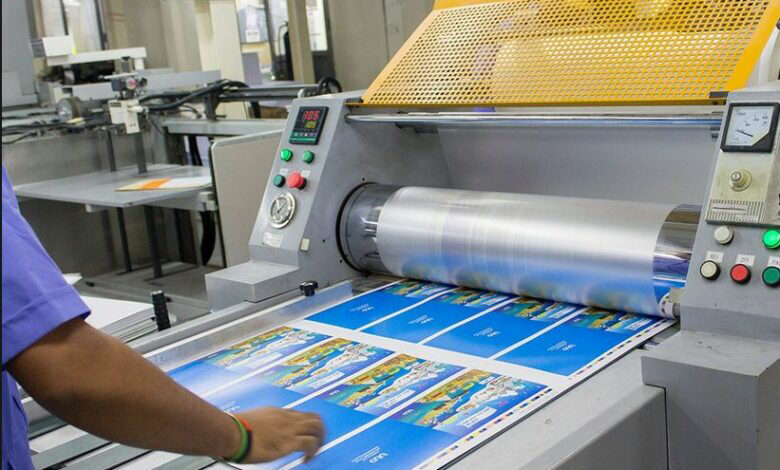
Technology is playing a pivotal role in making reusable packaging more practical and attractive for businesses. The integration of digital printing, smart labels, and IoT sensors is transforming how packaging is tracked, managed, and reused. For example, digital printing enables brands to customize packaging for different campaigns or markets without excess waste, as discussed in this analysis of digital printing’s impact on packaging.
Other notable advancements include:
- RFID and QR Code Tracking: These technologies provide real-time visibility into the location and condition of reusable containers, streamlining returns and reducing losses.
- Smart Sensors: Sensors embedded in packaging can monitor temperature, humidity, or tampering, ensuring product quality during multiple use cycles.
- Automated Cleaning Systems: Robotics and automation are making it easier to sanitize and prepare packaging for reuse, especially in large-scale operations.
These innovations are not only improving efficiency but also enabling new business models such as packaging-as-a-service, where companies lease reusable packaging to brands or retailers.
Challenges and Solutions in Implementing Reusable Packaging
Despite the clear benefits, transitioning to reusable packaging presents several challenges. Initial costs, logistical complexity, and consumer behavior can all pose obstacles. However, companies are finding creative ways to overcome these barriers:
- Investment in Infrastructure: Building centralized cleaning and redistribution hubs can reduce per-unit costs over time.
- Consumer Incentives: Deposit-return schemes and loyalty programs encourage customers to return packaging for reuse.
- Collaborative Networks: Industry partnerships allow for shared logistics and standardized packaging, making systems more efficient and accessible.
For businesses looking to extend shelf life and reduce spoilage, exploring innovations in oxygen scavenger labels can complement reusable packaging strategies.

Industry Examples and Real-World Applications
Many sectors are already embracing reusable packaging at scale. Grocery retailers are piloting returnable tote programs, beverage companies are reintroducing glass bottle deposit systems, and e-commerce platforms are experimenting with reusable shipping envelopes. In the printing and packaging sector, companies are leveraging digital technologies to create custom, durable packaging that can be reused multiple times, as highlighted in our article on how to achieve photographic quality on corrugated flutes.
Other notable applications include:
- Food Service: Reusable containers for meal delivery and takeout are reducing single-use waste in urban centers.
- Healthcare: Sterilizable trays and containers are improving hygiene and reducing packaging costs in hospitals.
- Industrial Supply Chains: Durable pallets, crates, and bins are streamlining logistics and minimizing waste in manufacturing.
Integrating Reusable Packaging with Broader Sustainability Goals
Adopting reusable packaging is often part of a larger sustainability strategy. Companies are combining these systems with renewable materials, low-impact printing methods, and automation to maximize environmental and economic benefits. For example, exploring what is sublimation printing for specialty packaging can help businesses further reduce their carbon footprint while maintaining high-quality branding.
Additionally, the rise of collaborative robots, or cobots, is helping automate packaging decoration and finishing, making it easier to scale reusable solutions. Learn more about these advancements in our article on the future of cobots in packaging decoration.
FAQ
What Are the Main Benefits of Reusable Packaging?
Reusable packaging significantly reduces waste, lowers long-term costs, and helps companies meet environmental regulations. It also enhances brand reputation by demonstrating a commitment to sustainability and can improve logistics efficiency through standardized, durable containers.
How Can Businesses Overcome the Challenges of Implementing Reusable Systems?
Companies can address challenges by investing in centralized cleaning infrastructure, offering consumer incentives like deposit-return programs, and forming partnerships to share logistics and standardize packaging formats. Leveraging technology such as RFID tracking and automation also streamlines operations.
Which Industries Are Leading in Adopting Reusable Packaging?
Retail, food service, healthcare, and industrial supply chains are at the forefront of adopting reusable packaging. These sectors benefit from high-volume operations and have established logistics networks that make scalable, circular packaging systems more feasible and cost-effective.