


Businesses are always searching for new ways to stand out and leave a lasting impression. Glass printing for branding has emerged as a powerful solution, offering a blend of elegance, durability, and customization that traditional signage materials often lack. Whether you’re a retail store, corporate office, or hospitality venue, leveraging printed glass can transform your brand’s visibility and communicate professionalism at every glance.
From vibrant logos on entrance doors to intricate patterns on conference room dividers, the possibilities are vast. This article explores how printed glass elevates business signs, the main printing techniques, key design considerations, and practical tips for maximizing impact. For those interested in technical details or troubleshooting, you can also learn about common mistakes in glass printing and how to avoid them.
Why Printed Glass Makes a Difference for Business Identity
Choosing glass as a medium for business signage offers several unique advantages. Unlike plastic or metal, glass delivers a premium, modern look that instantly elevates a brand’s image. The clarity and reflectivity of glass allow for creative use of light and color, making logos and messages more eye-catching. Additionally, glass is highly durable, resistant to weather and fading, and easy to clean—making it ideal for both indoor and outdoor applications.
Incorporating glass printing for branding into your business environment can:
- Enhance first impressions: A well-designed glass sign signals professionalism and attention to detail.
- Reinforce brand consistency: Custom graphics, colors, and fonts can be matched precisely to your brand guidelines.
- Maximize versatility: Glass can be used for doors, partitions, windows, and even furniture, creating a cohesive branded space.
- Support sustainability: Glass is recyclable and long-lasting, aligning with eco-friendly business values.
For inspiration on integrating glass into upscale environments, see these impressive ideas for glass in luxury interior design.
Popular Techniques for Custom Glass Signage
There are several methods for transferring graphics, text, and imagery onto glass. Each technique offers distinct benefits depending on the desired look, durability, and budget.
Screen Printing on Glass
Screen printing is a classic method for applying bold, opaque colors to glass surfaces. This process uses a mesh stencil to transfer ink onto the glass, resulting in vibrant, long-lasting designs. It’s especially effective for large runs or when you need high opacity, such as white text on clear glass. For more on the benefits, check out the advantages of screen printing on glass.
Digital UV Printing
UV printing uses ultraviolet light to cure specially formulated inks directly onto the glass. This technique allows for full-color, high-resolution images and gradients, making it ideal for detailed logos and photographic effects. Digital printing is perfect for short runs and offers excellent flexibility for custom projects.
Etching and Frosting
Etching creates a textured, frosted effect by removing a thin layer of glass. This can be done chemically or with abrasive blasting. Etched glass signage is subtle, elegant, and often used for privacy screens or understated branding. Frosting films can also be applied for a similar look with less permanence.
Decals and Laminates
For temporary or budget-friendly solutions, vinyl decals and laminates can be applied to glass. While not as durable as direct printing, these options allow for frequent updates and seasonal branding changes.
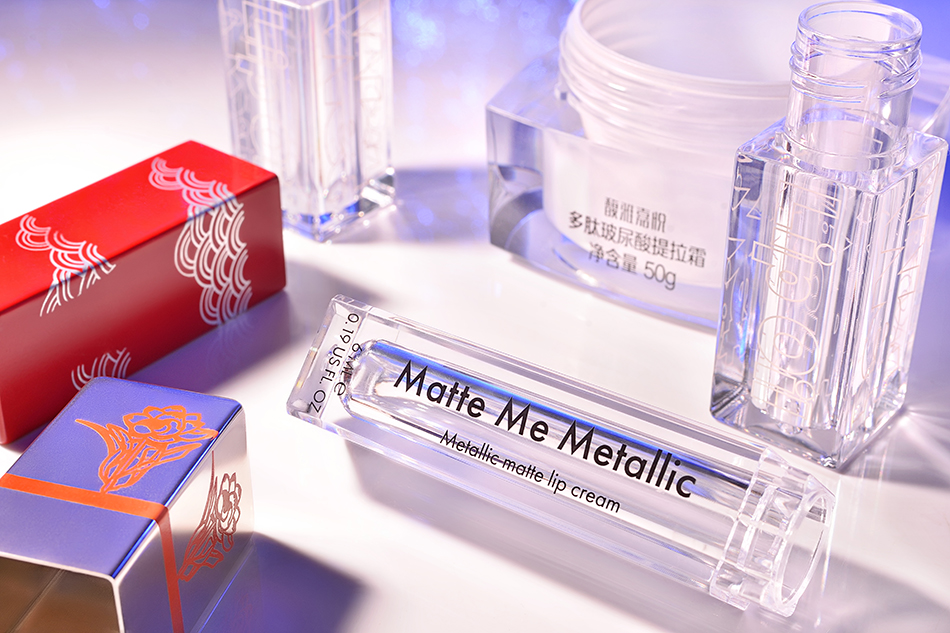
Design Considerations for Effective Glass Branding
To maximize the impact of your glass signage, thoughtful design is essential. Here are some tips to ensure your branding is clear, attractive, and aligned with your business goals:
- Contrast and Readability: Use high-contrast colors and bold fonts to ensure your message is visible from a distance, especially against transparent or reflective backgrounds.
- Size and Placement: Consider the viewing angle and typical lighting conditions. Place signs at eye level and size graphics appropriately for the space.
- Brand Consistency: Match colors, logos, and typography to your established brand identity for a cohesive look across all signage.
- Material Finish: Decide between glossy, matte, or frosted finishes based on the desired ambiance and maintenance needs.
- Durability: For outdoor or high-traffic areas, choose printing methods and protective coatings that resist scratching, UV damage, and weathering.
For those interested in colorful or decorative effects, explore colored glass decoration methods for vibrant spaces.

Best Practices for Implementing Glass Printing in Branding
To ensure your investment in glass signage pays off, follow these practical steps:
- Consult with Specialists: Work with experienced glass printers who understand the nuances of different techniques and can recommend the best approach for your needs.
- Test Samples: Request prototypes or small samples before committing to a full production run. This allows you to check color accuracy, finish, and durability.
- Plan for Installation: Proper mounting and support are crucial for safety and longevity. Discuss installation logistics early in the process.
- Maintain Regularly: Clean glass signs with non-abrasive products and inspect for damage, especially in outdoor environments.
- Stay Updated: As printing technology evolves, new options for customization and efficiency become available. Stay informed to keep your branding fresh and relevant. For advanced applications, see how smart device glass printing is changing the industry.
Applications Beyond Traditional Signage
Printed glass is not limited to exterior signs. Businesses are using this technique in creative ways, such as:
- Decorative wall panels and partitions in offices
- Branded glass doors and windows in retail spaces
- Custom glass tabletops and shelving for hospitality venues
- Wayfinding and directional graphics in large facilities
- Protective glass covers with embedded branding for electronics and smart devices
For those in manufacturing or tech, discover more about industrial glass printing uses and how they can support your business operations.
Frequently Asked Questions
What are the main benefits of using glass for business signage?
Glass signage offers a modern, premium appearance, excellent durability, and the ability to showcase vibrant colors and intricate designs. It’s also easy to maintain and suitable for both indoor and outdoor use.
How long does printed glass signage last?
With proper printing techniques and protective coatings, printed glass signs can last for many years without fading or deterioration. The longevity depends on factors like exposure to sunlight, weather, and physical contact.
Can glass printing be customized for any business?
Yes, glass printing is highly customizable. You can choose from a wide range of colors, finishes, and printing methods to match your brand identity and specific requirements.
Is glass printing environmentally friendly?
Glass is a sustainable material that can be recycled. Many modern printing inks are also formulated to be eco-friendly, making glass signage a responsible choice for businesses focused on sustainability.
What should I consider when designing a glass sign?
Focus on contrast, readability, and brand consistency. Work with experienced designers and printers to ensure your sign is both visually appealing and functional for its intended location.




