
As brands and designers increasingly prioritize sustainability, the demand for visually appealing prints on eco-friendly materials has grown. Creating high-quality graphics on recycled paper presents unique challenges, from ink absorption to color vibrancy. However, with the right techniques and materials, it’s possible to produce stunning visuals that rival those on virgin stock—while supporting environmental goals.
This article explores practical strategies for producing crisp, vibrant images and text on recycled substrates. We’ll cover essential considerations, from paper selection and prepress adjustments to ink choices and finishing methods. For those interested in broader industry trends, you can also learn about the evolution of luxury packaging printing and how sustainability is shaping modern print.
Understanding the Challenges of Printing on Recycled Paper
Recycled paper often contains a blend of post-consumer fibers, which can vary in texture, porosity, and color. These differences impact how inks and toners behave, sometimes resulting in muted colors, less defined edges, or uneven coverage. To achieve high-quality graphics on recycled paper, it’s crucial to recognize these challenges:
- Surface Roughness: Recycled sheets may be less smooth, affecting ink laydown and sharpness.
- Color Consistency: Natural fibers can cause subtle color shifts, especially in lighter shades.
- Ink Absorption: Increased porosity can lead to ink spreading or dulling, reducing vibrancy.
- Paper Strength: Some recycled stocks are more prone to tearing or curling during processing.
Choosing the Right Recycled Paper for Graphic Excellence
Not all recycled papers are created equal. Selecting the appropriate substrate is the foundation for crisp, professional results. Consider the following when sourcing your paper:
- Brightness and Whiteness: Opt for high-brightness grades (above 90 on the ISO scale) for better color contrast and clarity.
- Surface Finish: Coated recycled papers (matte or gloss) offer smoother surfaces, reducing ink absorption and enhancing detail.
- Certification: Look for FSC or similar certifications to ensure responsible sourcing and consistent quality.
- Caliper and Weight: Heavier, thicker sheets provide better opacity and durability, especially for packaging or premium print jobs.
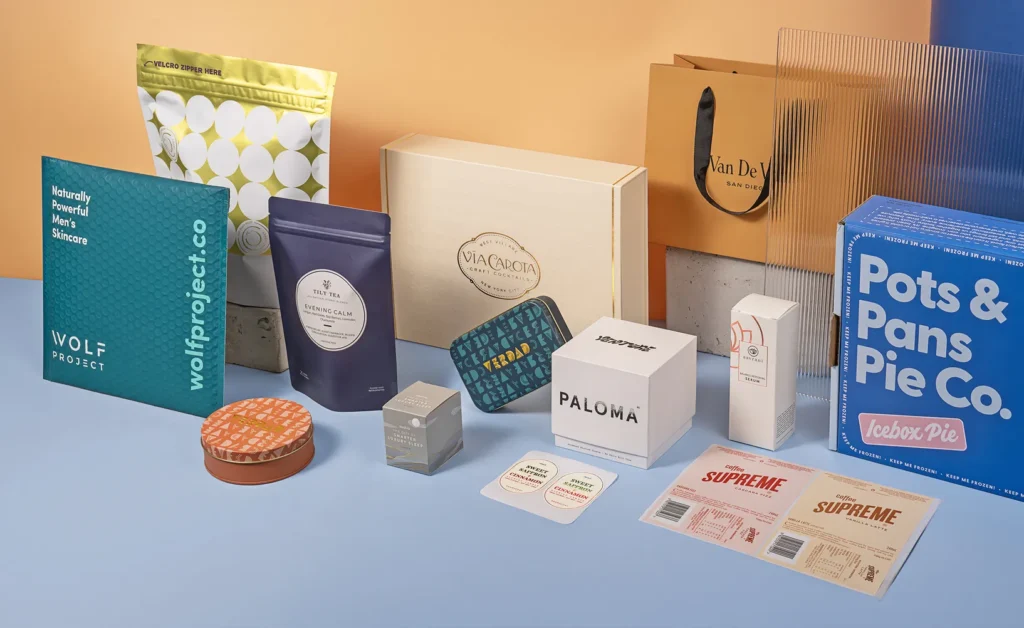
For packaging and branding applications, many companies are turning to innovative materials and techniques. Explore innovative food packaging printing techniques for more ideas on how recycled substrates are being used creatively.
Optimizing Prepress and Artwork for Recycled Paper
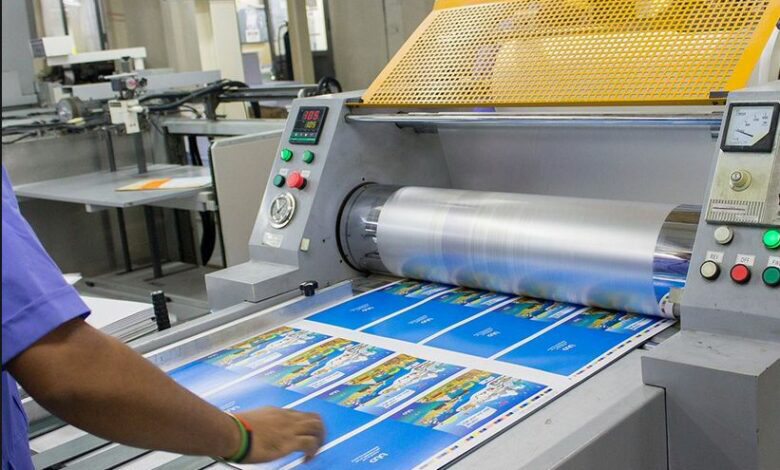
Prepress adjustments play a vital role in maintaining image quality on recycled substrates. Here are some best practices to ensure your graphics look sharp and vibrant:
- Color Management: Use ICC profiles tailored for recycled paper to compensate for color shifts and maintain consistency across print runs.
- Ink Coverage: Limit total ink coverage (TIC) to prevent oversaturation, which can cause bleeding or muddy colors.
- Image Resolution: Supply artwork at a minimum of 300 dpi for print to preserve detail, especially on textured surfaces.
- Contrast and Saturation: Slightly increase contrast and color saturation in your files to offset the dulling effect of recycled fibers.
- Trap and Overprint Settings: Adjust trapping to account for potential misregistration due to paper movement.
Ink and Toner Selection for Superior Results
The choice of ink or toner can dramatically impact the final appearance of your graphics. To ensure optimal performance on recycled substrates:
- Vegetable-Based and Soy Inks: These are eco-friendly and often provide better color vibrancy on recycled stock compared to petroleum-based inks.
- High-Yield Inks: Using high-yield cartridges can help maintain consistent color output and reduce the risk of fading, especially for longer print runs.
- UV-Curable Inks: For digital and offset printing, UV inks cure instantly, minimizing absorption and producing sharper images.
- Toner for Digital Presses: Modern digital presses use toners engineered for recycled papers, ensuring crisp text and graphics.
For those seeking to maximize efficiency and print quality, consider investing in high-yield printer ink solutions.
Printing Techniques That Enhance Graphics on Recycled Stock
Certain printing methods are better suited for recycled materials. Here are some approaches that can help you achieve professional results:
- Offset Lithography: This traditional method, when paired with the right inks and paper, delivers excellent detail and color fidelity.
- Digital Printing: Modern digital presses are highly adaptable to recycled substrates, offering flexibility for short runs and variable data.
- Screen Printing: Useful for packaging and specialty applications, screen printing can lay down thicker ink layers for bolder graphics.
- Flexography: Ideal for corrugated and flexible packaging, flexo presses can be optimized for recycled liners and boards.
For a deeper look at how digital advancements are shaping print, see this overview of digital printing’s future in packaging.

Finishing Touches: Coatings and Post-Press Techniques
The final steps in the print process can make a significant difference in the perceived quality of graphics on recycled paper. Consider these enhancements:
- Aqueous or UV Coating: Adding a clear coating can boost vibrancy, protect against scuffing, and provide a uniform finish.
- Lamination: For packaging and high-touch applications, lamination adds durability and a premium feel.
- Embossing or Foil Stamping: These tactile effects create visual interest and can distract from minor imperfections in the paper.
- Die Cutting: Precision cutting ensures clean edges, even on thicker recycled stocks.
For more on sustainable finishing options, check out this guide to sustainable packaging printing.
Best Practices for Consistent, Eco-Friendly Print Results
To consistently deliver high-quality graphics on recycled paper, keep these best practices in mind:
- Test and Calibrate: Always run print tests with your chosen paper and inks to fine-tune settings before full production.
- Communicate with Suppliers: Work closely with your paper and print providers to select compatible materials and processes.
- Stay Updated: The print industry evolves rapidly. Stay informed about packaging printing trends and new technologies for sustainable graphics.
- Educate Your Team: Ensure designers, prepress technicians, and press operators understand the nuances of recycled substrates.
Frequently Asked Questions
What are the main challenges of printing on recycled paper?
The primary challenges include increased ink absorption, surface roughness, and color inconsistency due to the varied nature of recycled fibers. These factors can affect image sharpness and color vibrancy, but can be managed with proper material selection and print adjustments.
How can I make colors appear more vibrant on recycled substrates?
To enhance color vibrancy, use high-brightness, coated recycled papers, select inks formulated for recycled stock, and adjust artwork by increasing contrast and saturation. Applying a clear coating after printing can also boost perceived color intensity.
Are eco-friendly inks as effective as traditional inks for recycled paper?
Yes, modern vegetable-based and soy inks are designed to perform well on recycled substrates. They often provide excellent color and coverage, while supporting sustainability goals. Testing is recommended to ensure compatibility with your specific paper and print process.