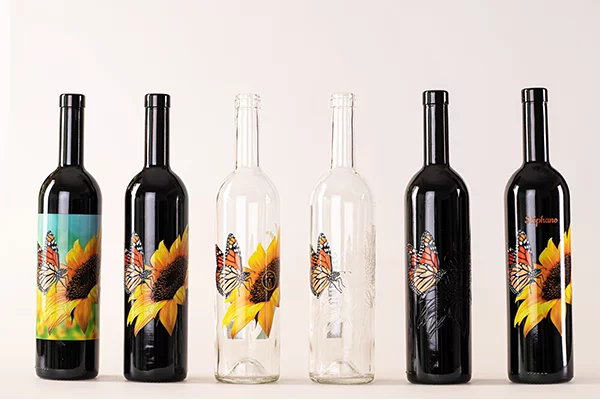

Printed tempered glass is transforming the way designers, architects, and manufacturers approach both safety and aesthetics. By combining advanced printing techniques with the strength of tempered glass, this material offers a unique blend of durability, visual appeal, and versatility. Whether used in interiors, exteriors, or specialized applications, the advantages of printed tempered glass are shaping modern spaces in remarkable ways.
Understanding the full range of printed tempered glass benefits can help you make informed decisions for your next project. From enhanced safety features to limitless design possibilities, this article explores why this innovative glass solution is gaining popularity across industries. For those interested in the technical side of glass decoration, you might also want to read about colored glass decoration methods for vibrant spaces.
How Printed Tempered Glass Combines Strength and Visual Appeal
Tempered glass is renowned for its toughness and safety properties. When glass is tempered, it undergoes a controlled thermal process that increases its strength compared to regular glass. If broken, it shatters into small, blunt pieces rather than sharp shards, reducing the risk of injury. Adding printed designs to this robust substrate brings a new dimension to its use in architecture and product design.
The printing process itself can be achieved through several methods, including digital printing and screen printing. Each technique offers distinct advantages in terms of color vibrancy, resolution, and durability. For a deeper dive into the differences between these methods, check out this comparison of digital and screen printing for glass.
Key Advantages of Printed Tempered Glass in Modern Design
There are several compelling reasons why architects and designers are choosing printed tempered glass for their projects. Here are some of the most significant printed tempered glass benefits:
- Enhanced Safety: The tempering process makes the glass much stronger and safer than traditional glass, making it ideal for high-traffic areas, doors, partitions, and facades.
- Customizable Aesthetics: Digital and screen printing allow for intricate patterns, logos, gradients, and even photographic images to be permanently fused onto the glass surface.
- UV and Scratch Resistance: The inks and coatings used in glass printing are formulated to withstand sunlight and abrasion, ensuring that designs remain vibrant and intact for years.
- Easy Maintenance: Printed surfaces are smooth and non-porous, making them easy to clean and resistant to staining.
- Thermal and Acoustic Insulation: Printed tempered glass can be integrated into double-glazed units, improving energy efficiency and soundproofing.
Applications That Showcase the Benefits of Printed Tempered Glass
The versatility of this material enables its use in a wide range of settings. Some of the most popular applications include:
- Commercial Interiors: Office partitions, conference room walls, and reception areas often feature custom-printed glass for branding and privacy.
- Retail Displays: Printed glass shelves, display cases, and signage add a high-end look while maintaining durability.
- Residential Design: Kitchen backsplashes, shower enclosures, and decorative wall panels benefit from both the safety and style of printed tempered glass.
- Public Spaces: Transit stations, museums, and hospitals use printed glass for wayfinding, art installations, and protective barriers.
- Industrial and Automotive: The automotive sector uses printed glass for dashboards and displays, while industrial applications include machine guards and control panels. For more on this, see the article on automotive glass printing technology.
Comparing Printing Methods for Tempered Glass
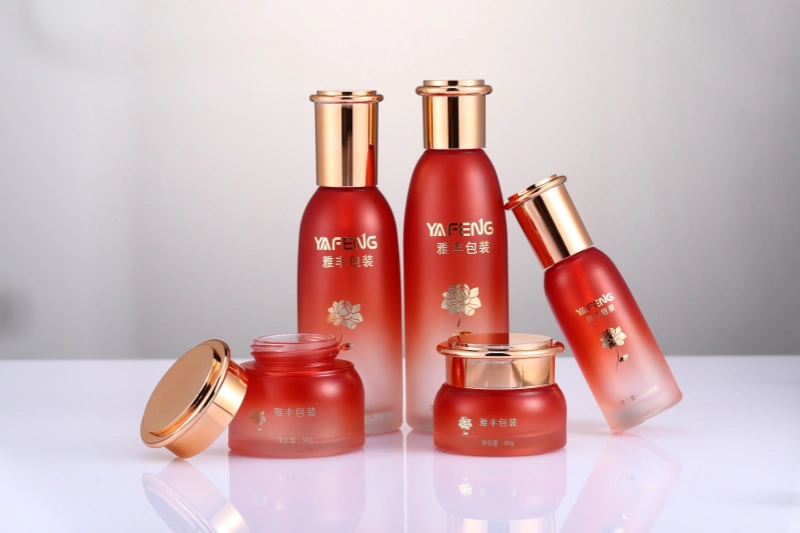
Choosing the right printing technique is essential for achieving the desired look and performance. The two most common methods are digital printing and screen printing:
| Printing Method | Best For | Key Features |
|---|---|---|
| Digital Printing | Complex images, gradients, short runs | High resolution, full color, quick turnaround |
| Screen Printing | Solid colors, large volumes | Durable, cost-effective for bulk, limited color range |
Both methods produce long-lasting results, but the choice depends on the design requirements and project scale. For those interested in avoiding pitfalls during the process, the article on common mistakes in glass printing offers practical advice.
Design Flexibility and Customization Options
One of the standout printed tempered glass benefits is the virtually unlimited design potential. Modern printing technologies allow for:
- Full-Surface Printing: Cover entire panels with images, patterns, or gradients.
- Selective Printing: Apply graphics only to specific areas for privacy or branding.
- Color Matching: Achieve precise brand colors or coordinate with other design elements.
- Transparency Control: Combine opaque and translucent inks to manage light and privacy.
This flexibility makes printed tempered glass suitable for both subtle accents and bold statements in any environment.
Durability and Maintenance: Long-Term Value
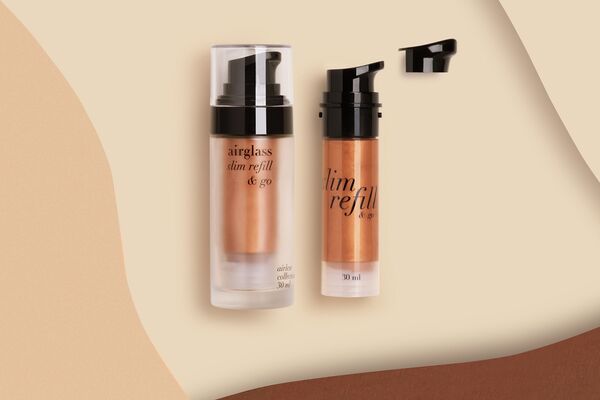
Printed tempered glass is engineered for longevity. The inks are fused into the glass during the tempering process, making them highly resistant to fading, scratching, and chemical exposure. This means that even in demanding environments—such as kitchens, bathrooms, or public spaces—the glass maintains its appearance and performance over time.
Maintenance is straightforward. The smooth, non-porous surface resists fingerprints and stains, requiring only routine cleaning with standard glass cleaners. This ease of care adds to the overall value, especially in commercial settings where cleanliness and appearance are priorities.
Sustainability and Environmental Considerations
Modern glass printing technologies are increasingly eco-friendly. Many manufacturers use lead-free inks and energy-efficient processes. Additionally, glass is a recyclable material, and printed tempered glass can often be repurposed or recycled at the end of its lifecycle. This makes it a responsible choice for projects aiming to meet green building standards or reduce environmental impact.
Frequently Asked Questions
What makes printed tempered glass safer than regular printed glass?
Tempered glass is up to five times stronger than standard glass and, if broken, shatters into small, blunt pieces rather than sharp shards. This greatly reduces the risk of injury, making it suitable for areas where safety is a concern.
Can printed tempered glass be used outdoors?
Yes, it is highly durable and resistant to UV rays and weathering. The printing process ensures that designs remain vibrant and intact even when exposed to sunlight and the elements, making it ideal for facades, signage, and outdoor installations.
Is it possible to achieve custom colors and designs?
Absolutely. Both digital and screen printing methods allow for a wide range of colors, patterns, and even photographic images. Customization is one of the main printed tempered glass benefits, enabling unique solutions for branding or interior design.
How does printed tempered glass compare to other decorative glass options?
It offers a superior combination of safety, durability, and design flexibility. Unlike some decorative films or coatings, the printed design is permanent and integrated into the glass, ensuring long-lasting performance and easy maintenance.
Conclusion
The advantages of printed tempered glass extend far beyond its striking appearance. By merging robust safety features with limitless design options, it provides a practical and stylish solution for a variety of applications. Whether you are designing a modern office, a retail environment, or a residential space, this material delivers both peace of mind and creative freedom. For more insights on advanced glass applications, explore topics like smart device glass printing and industrial glass printing uses to see how innovation continues to shape the future of glass design.