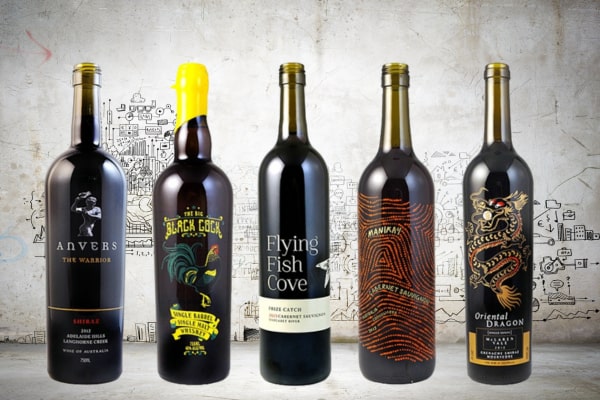

Modern branding and packaging demand more than just a functional container—visual appeal and customization are crucial for standing out in competitive markets. Commercial glass printing solutions offer businesses the ability to transform ordinary glassware, bottles, and containers into distinctive, branded assets that communicate quality and innovation. Whether you operate in food and beverage, cosmetics, or industrial sectors, understanding the available techniques and their advantages can help you make informed decisions about your product presentation.
This article explores the range of professional glass printing methods, their business applications, and key considerations for selecting the right approach. For those interested in technical details or troubleshooting, you may also want to review insights on common mistakes in glass printing to ensure optimal results.
Understanding Professional Glass Printing Technologies
There are several advanced methods available for printing on glass at scale. Each technique offers unique benefits and is suited to different types of products and design requirements. The most common options include:
- Screen Printing: Ideal for high-volume runs, this method uses mesh screens to transfer ink onto glass surfaces. It produces durable, vibrant results and is widely used for bottles, jars, and drinkware.
- Digital UV Printing: This technology allows for full-color, high-resolution images to be printed directly onto glass. It is well-suited for short runs, prototypes, or intricate designs that require photographic detail.
- Pad Printing: Used for printing on curved or irregular surfaces, pad printing employs a silicone pad to transfer ink from an etched plate onto the glass item.
- Etching and Sandblasting: These processes create a frosted or textured effect on glass, often used for luxury packaging or decorative items.
For an in-depth look at the technical aspects and comparisons of these methods, you can refer to this comprehensive guide to glass printing techniques.
Key Benefits of Custom Glass Printing for Businesses
Investing in specialized glass decoration provides a range of advantages for brands and manufacturers:
- Brand Differentiation: Custom-printed glassware helps products stand out on shelves and reinforces brand identity through logos, colors, and unique graphics.
- Enhanced Perceived Value: High-quality printing and decoration can elevate the perceived value of a product, making it more attractive to consumers and suitable for premium positioning.
- Durability and Compliance: Professional printing solutions use inks and processes that are resistant to washing, abrasion, and chemicals, ensuring longevity and compliance with industry standards.
- Design Flexibility: Businesses can choose from a variety of finishes, effects, and colors to match their marketing goals and product aesthetics.
Choosing the Right Printing Solution for Your Business
When selecting a glass printing provider or technology, it’s important to consider several factors to ensure the best fit for your needs:
- Volume and Scalability: Large production runs may benefit from screen printing or automated digital systems, while smaller batches or prototypes can utilize digital UV or pad printing.
- Design Complexity: If your artwork involves gradients, fine details, or photographic images, digital printing offers greater flexibility. For simple logos or text, screen printing is cost-effective and reliable.
- Surface Shape: Bottles, jars, and containers with complex curves may require pad printing or specialized equipment.
- Budget and Lead Time: Some methods have higher setup costs but lower per-unit prices at scale. Discuss your budget and timeline with potential suppliers to find the most efficient option.
For businesses in technology or manufacturing, exploring industrial glass printing uses can provide additional insights into specialized applications and technical requirements.
Popular Applications Across Industries
Custom glass decoration is used in a wide range of sectors. Here are some of the most common business applications:
- Food and Beverage: Printed bottles and jars for spirits, wines, craft beverages, and gourmet foods.
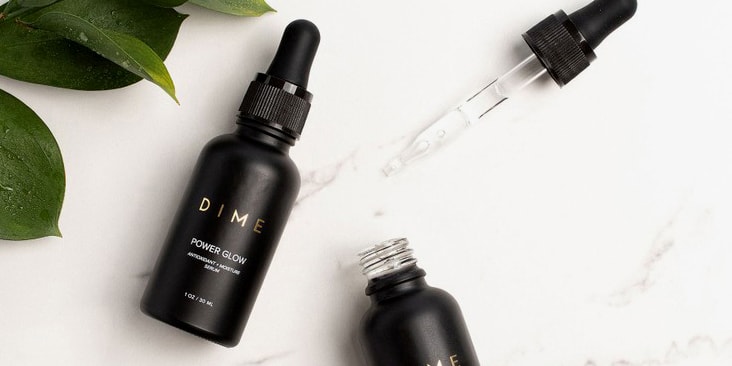
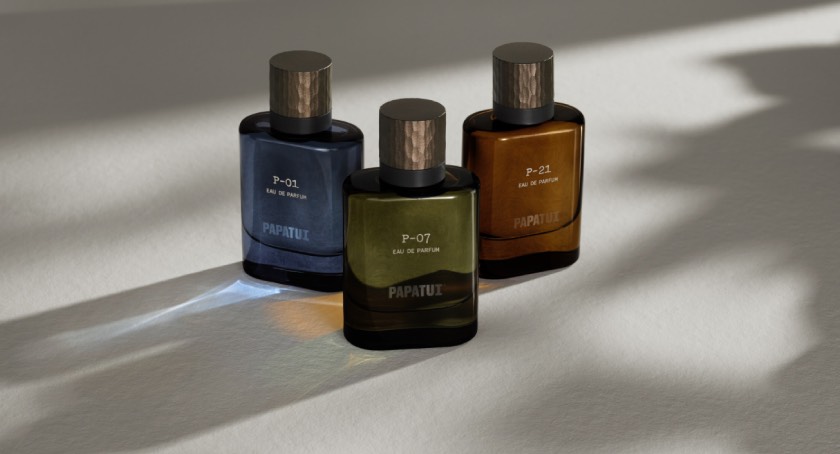
- Cosmetics and Personal Care: Branded perfume bottles, skincare jars, and luxury packaging for beauty products.
- Hospitality: Customized drinkware, glassware, and promotional items for hotels, bars, and restaurants.
- Industrial and Technology: Functional markings, safety labels, and branding on glass components for electronics and smart devices. For more on this, see smart device glass printing.
Emerging Trends in Glass Decoration
As consumer preferences evolve, so do the technologies and styles in glass printing. Some notable trends include:
- Sustainable Inks and Processes: Eco-friendly inks and energy-efficient curing methods are gaining popularity, especially in the food, beverage, and beauty industries.
- Personalization: Advances in digital printing allow for short runs and individualized designs, catering to the growing demand for personalized products.
- Special Effects: Metallic inks, matte finishes, and tactile textures are being used to create premium, eye-catching packaging.
- Integration with Smart Technology: Printed QR codes, NFC tags, and other digital features are being incorporated into glass products for enhanced consumer engagement.
For creative inspiration, explore different colored glass decoration methods that can add vibrancy and uniqueness to your product line.
Best Practices for Implementing Glass Printing in Your Business
To maximize the impact of your investment in glass decoration, keep these best practices in mind:
- Work with Experienced Providers: Choose partners with a proven track record and the right certifications for your industry.
- Test and Prototype: Before committing to a large run, request samples or prototypes to ensure color accuracy, adhesion, and overall quality.
- Consider Regulatory Requirements: Ensure that all inks and processes comply with safety and environmental regulations relevant to your market.
- Plan for Consistency: Establish clear artwork guidelines and quality control measures to maintain consistency across batches.
If you’re interested in how these practices apply to automotive or other specialized sectors, the article on automotive glass printing technology provides additional context.
Frequently Asked Questions
What is the most durable method for printing on glass?
Screen printing and UV digital printing are both highly durable, offering strong adhesion and resistance to washing, abrasion, and chemicals. The choice depends on your specific design and production needs.
Can small businesses afford professional glass printing?
Yes, with the advent of digital and short-run printing technologies, even small businesses can access high-quality glass decoration without the need for large minimum orders. Digital UV printing, in particular, is cost-effective for limited quantities or personalized items.
How do I avoid common issues in glass printing?
Proper surface preparation, choosing the right ink, and working with experienced providers are key. For more detailed advice, refer to the guide on common mistakes in glass printing and how to avoid them.
Are there eco-friendly options for glass printing?
Many providers now offer sustainable inks and processes that minimize environmental impact. Ask your supplier about water-based inks, energy-efficient curing, and recyclable packaging options.
In summary, leveraging commercial glass printing solutions enables businesses to enhance brand presence, improve product appeal, and meet evolving consumer expectations. By understanding the available technologies and best practices, you can make informed decisions that support your business goals and set your products apart in the marketplace.