
The food industry is constantly evolving to meet the demands of consumers who expect longer shelf life, fresher products, and higher safety standards. One of the most significant advancements in this area is active packaging technology. Unlike traditional methods that simply contain and protect food, this innovative approach interacts with the contents or the environment to enhance preservation and safety.
As packaging printing continues to advance, new materials and smart solutions are being integrated into everyday food products. For those interested in the broader landscape of packaging innovation, exploring the evolution of luxury packaging printing can provide useful context on how these technologies have developed and where they are heading.
Understanding the Principles of Active Packaging
At its core, active packaging refers to packaging systems that do more than just passively contain food. These solutions are designed to interact with the food or its environment, with the goal of extending shelf life, maintaining quality, and improving safety. This is achieved by incorporating specific substances or components that can absorb, release, or regulate gases, moisture, or antimicrobial agents within the package.
The main difference between active and conventional packaging lies in functionality. While standard packaging acts as a barrier, active solutions play a dynamic role in preserving the product. This can include oxygen scavengers, moisture absorbers, ethylene removers, and antimicrobial films, among others.
Key Types of Active Packaging Solutions
There are several categories of active packaging technology commonly used in the food sector. Each type targets specific spoilage mechanisms or safety risks:
- Oxygen Scavengers: These are materials or sachets that absorb residual oxygen inside the package, slowing down oxidation and the growth of aerobic microorganisms.
- Moisture Regulators: Desiccants and humidity control pads help maintain optimal moisture levels, preventing sogginess or dehydration.
- Antimicrobial Packaging: Films or coatings infused with natural or synthetic agents inhibit the growth of bacteria, molds, and yeasts.
- Ethylene Absorbers: Used mainly for fruits and vegetables, these components remove ethylene gas to delay ripening and spoilage.
- CO2 Emitters: These release carbon dioxide to suppress the growth of spoilage organisms in certain products like baked goods and meats.
How Active Packaging Enhances Food Safety
Food safety is a top priority for manufacturers and consumers alike. By integrating active packaging features, companies can address several safety challenges:
- Microbial Control: Antimicrobial agents incorporated into packaging materials can directly reduce the risk of foodborne illness by limiting the growth of harmful microorganisms.
- Reduced Chemical Preservatives: With the ability to control spoilage factors inside the package, there is less need for artificial preservatives, aligning with consumer preferences for cleaner labels.
- Improved Shelf Life: By managing oxygen and moisture, active solutions help maintain product quality for longer periods, reducing waste and ensuring safer consumption.
- Real-Time Monitoring: Some advanced systems include sensors or indicators that alert users to potential spoilage or contamination, providing an extra layer of safety.

Benefits of Adopting Advanced Packaging for Food Products
The adoption of active packaging technology brings a range of advantages for both producers and consumers:
- Extended Freshness: By controlling internal conditions, products stay fresher for longer, which is especially valuable for perishable foods.
- Reduced Food Waste: Longer shelf life means less spoilage, helping retailers and consumers minimize waste and save money.
- Enhanced Brand Value: Companies that use innovative packaging can differentiate themselves in a competitive market, appealing to health-conscious and environmentally aware consumers.
- Regulatory Compliance: Many regions are tightening food safety regulations. Advanced packaging can help businesses meet or exceed these standards.
- Supply Chain Efficiency: Improved shelf life and safety reduce the risk of recalls and logistical challenges, streamlining distribution.
Recent Innovations and Trends in Packaging Technology
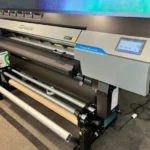
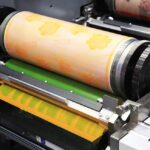
The field of packaging is rapidly evolving, with new materials and digital solutions emerging each year. For example, digital printing technologies are making it easier to customize packaging and integrate smart features. Those interested in the latest developments can learn more about innovative food packaging printing techniques that are shaping the future of the industry.
Additionally, the integration of smart sensors and indicators is becoming more common, allowing real-time monitoring of food quality. For a deeper dive into this area, consider reading about what is smart packaging technology and its practical applications.
According to a recent market report on the future of digital print for packaging, the demand for intelligent and interactive packaging is expected to grow significantly by 2030, driven by consumer expectations and regulatory changes.

Challenges and Considerations When Implementing Active Packaging
While the benefits are clear, there are also challenges to adopting these advanced solutions. Cost can be a barrier, especially for small and medium-sized producers. Ensuring compatibility between active components and different types of food is another consideration, as is regulatory approval for new materials.
Environmental impact is also a growing concern. As more complex materials are used, recycling and disposal can become more complicated. Companies are increasingly looking for ways to balance functionality with sustainability. For guidance on eco-friendly approaches, see this complete guide to sustainable packaging printing.
Frequently Asked Questions
How does active packaging differ from smart packaging?
While both are innovative, active packaging interacts with the food or environment to preserve quality, such as absorbing oxygen or releasing antimicrobial agents. Smart packaging, on the other hand, typically involves sensors or indicators that provide information about the product’s condition but do not directly alter the environment inside the package.
Is active packaging safe for all types of food?
Most active packaging solutions are designed for specific food categories and undergo rigorous safety testing. However, not every technology is suitable for every product. It’s important to match the packaging system to the food’s characteristics and regulatory requirements.
Can active packaging help reduce food waste?
Yes, by extending shelf life and maintaining freshness, these solutions can significantly reduce spoilage at both the retail and consumer levels. This not only benefits the environment but also helps save money throughout the supply chain.
What are some recent trends in packaging printing for food safety?
Recent trends include the use of digital printing for customization, integration of smart sensors, and the development of biodegradable active materials. For a comprehensive overview, check out the latest packaging printing trends for 2026.
Conclusion
The integration of active packaging technology is transforming the way food is preserved, transported, and enjoyed. By actively managing the internal environment of packaging, these solutions offer enhanced safety, longer shelf life, and greater consumer confidence. As the industry continues to innovate, we can expect even more advanced and sustainable options to emerge, shaping the future of food packaging for years to come.