
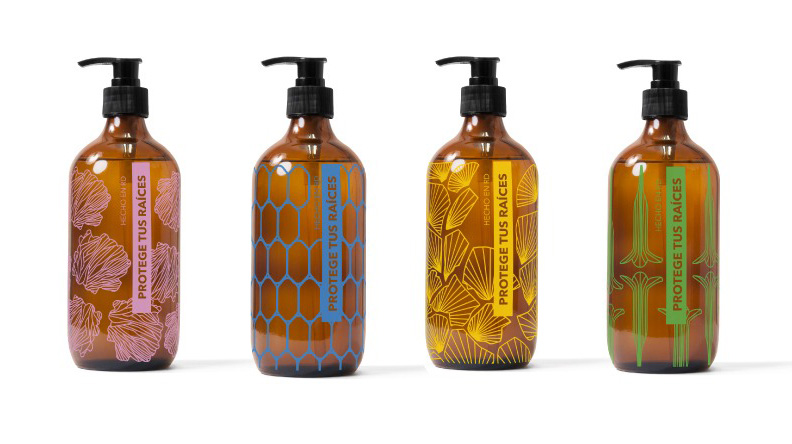

The glass printing industry trends are evolving rapidly as 2026 approaches, driven by technological advancements, sustainability demands, and new market applications. Manufacturers, designers, and brands are seeking innovative ways to enhance product appeal and functionality, while also meeting stricter environmental regulations and consumer expectations. This article explores the most significant changes shaping the sector, from digital printing breakthroughs to eco-friendly inks and smart device integration.
Understanding these developments is crucial for businesses aiming to stay competitive and for professionals looking to avoid the common mistakes in glass printing that can hinder quality and efficiency. As we look ahead, several key factors are set to redefine how glass is decorated, customized, and used across industries.
Digital Transformation in Glass Printing
One of the most prominent glass printing industry trends is the shift from traditional screen printing to advanced digital processes. Digital printing technologies now offer exceptional image resolution, faster turnaround, and the ability to print complex, multi-color designs directly onto curved or irregular glass surfaces. This flexibility is especially valuable for short runs, personalized products, and rapid prototyping.
Compared to conventional methods, digital systems reduce setup times and material waste, making them more cost-effective for both small and large-scale operations. As a result, companies are increasingly investing in digital printers that support UV-curable inks, which adhere well to glass and provide vibrant, durable results.
Sustainable Practices and Eco-Friendly Inks
Environmental concerns are driving the adoption of greener practices throughout the glass decoration sector. Water-based and low-VOC inks are gaining popularity, as they minimize harmful emissions and comply with global regulatory standards. Many manufacturers are also exploring recyclable packaging and energy-efficient curing systems to further reduce their ecological footprint.
In addition, the use of lead-free and cadmium-free pigments is becoming standard, especially for products in the food, beverage, and cosmetics industries. Brands that prioritize sustainability not only meet consumer expectations but also benefit from improved brand reputation and compliance with international trade requirements.
Customization and Personalization Demand
Personalized glassware and custom-printed bottles are in high demand, particularly in the luxury, hospitality, and promotional sectors. Advances in digital printing and laser etching enable intricate designs, variable data printing, and even photo-realistic images on glass surfaces. This trend is supported by the rise of e-commerce platforms, where consumers expect unique, made-to-order products delivered quickly.
For businesses, offering customization options can be a strong differentiator. However, it also requires robust workflow management and quality control to ensure consistency and customer satisfaction. To learn more about the differences between printing and other decorative techniques, see glass printing vs engraving.

Smart Glass and Functional Coatings
Another significant development is the integration of smart technologies and functional coatings in glass products. From touch-sensitive surfaces to anti-microbial and anti-fingerprint finishes, these innovations are expanding the applications of printed glass in sectors such as electronics, automotive, and healthcare.
For example, smart device glass printing leverages precision coatings to enhance device durability and user experience. As demand for connected and interactive products grows, expect to see more collaboration between glass printers, material scientists, and technology firms.
Emerging Applications and Market Expansion
The versatility of printed glass is opening new markets and uses. Decorative glass panels, architectural features, and colored glass installations are becoming more common in commercial and residential spaces. Techniques such as ceramic inkjet printing and UV embossing allow for stunning visual effects, including gradients, metallic finishes, and textured surfaces.
In the industrial sector, printed glass is used for appliance panels, automotive displays, and even solar panels. For a deeper look at how these applications are transforming manufacturing, visit industrial glass printing uses.
Color Innovation and Decorative Effects
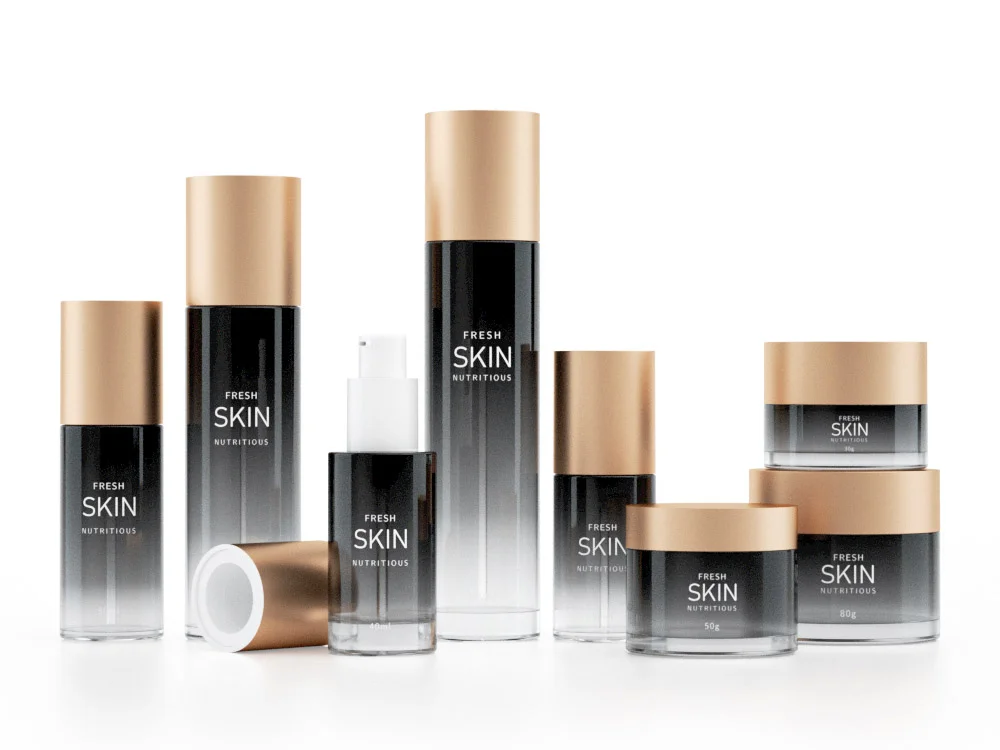
Color trends in glass decoration are shifting toward bold, vibrant hues and layered effects. New pigment technologies and advanced layering techniques allow for greater creativity, including gradients, metallic sheens, and even luminescent finishes. These effects are particularly popular in interior design and luxury packaging, where visual impact is key.
For those interested in exploring creative color applications, the article on colored glass decoration methods offers practical tips and inspiration for achieving standout results.
Quality Control and Process Automation
As production volumes increase and designs become more complex, maintaining consistent quality is a top priority. Automated inspection systems, AI-driven color matching, and real-time process monitoring are being adopted to reduce defects and ensure repeatability. These solutions help manufacturers meet the high standards required by industries such as pharmaceuticals, food and beverage, and electronics.
Automation also streamlines workflows, reduces labor costs, and enables faster adaptation to market changes. Companies that invest in these technologies are better positioned to deliver reliable, high-quality products at scale.
Regulatory Compliance and Safety Standards
Global regulations around food safety, chemical usage, and environmental impact are influencing material choices and production methods. Compliance with standards such as REACH, RoHS, and FDA guidelines is essential for manufacturers exporting to international markets. This includes using certified inks, maintaining traceability, and providing clear documentation for every batch.
Staying up to date with regulatory changes not only avoids costly recalls but also builds trust with clients and end users. Many businesses are now working closely with suppliers to ensure all materials meet the latest requirements.
Globalization and Supply Chain Adaptation
The glass decoration market is becoming more global, with manufacturers sourcing materials and serving clients worldwide. This trend brings both opportunities and challenges, including supply chain disruptions, fluctuating raw material costs, and the need for localized production. Companies are responding by diversifying suppliers, investing in regional facilities, and leveraging digital platforms for order management and client communication.
For those looking to expand internationally, understanding local market preferences and regulations is crucial. Collaboration with regional partners can help tailor products and services to specific customer needs.
Expert Insights and Industry Resources
Staying informed about the latest glass printing industry trends is easier than ever thanks to a wealth of online resources, trade shows, and technical publications. For a practical overview of how to print on glass, including step-by-step guides and material recommendations, check out this comprehensive guide to printing on glass.
Industry events and webinars also provide valuable networking opportunities and firsthand insights into emerging technologies and best practices.
FAQ: Glass Printing Developments in 2026
What are the main technological advancements in glass printing for 2026?
Key advancements include high-resolution digital printing, UV-curable and eco-friendly inks, smart coatings for touch and antimicrobial properties, and automated quality control systems. These innovations enable more complex designs, faster production, and improved sustainability.
How is sustainability being addressed in glass decoration?
Sustainability is addressed through the use of water-based and low-VOC inks, recyclable packaging, energy-efficient curing, and the elimination of hazardous substances like lead and cadmium. Manufacturers are also adopting greener supply chain practices and complying with stricter environmental regulations.
Which industries are driving demand for printed glass products?
Major drivers include the cosmetics and luxury packaging sectors, electronics and smart device manufacturers, automotive suppliers, and the architectural and interior design markets. Customization and functional coatings are especially popular in these areas.




