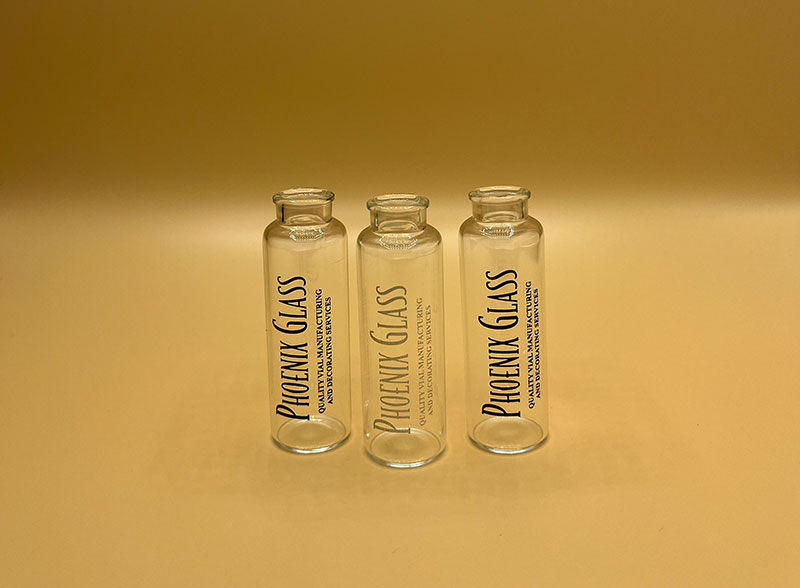

Achieving perfect results in glass printing requires a careful balance of technology, technique, and stringent quality control in glass printing. Whether producing decorative bottles, high-end cosmetic packaging, or industrial glass panels, maintaining consistency and eliminating defects is essential for both aesthetics and functionality. This article explores the key principles, methods, and checkpoints that ensure every printed glass product meets the highest standards.
For those interested in avoiding production setbacks, understanding common mistakes in glass printing can be invaluable. Early awareness of these pitfalls helps create a more robust quality assurance process from the start.
Why Quality Assurance Matters in Glass Printing
In the world of printed glass, even minor imperfections can lead to product rejection, increased costs, or dissatisfied customers. Quality control in glass printing is not just about catching flaws—it’s about building a process that prevents them. With the right protocols, manufacturers can:
- Ensure color accuracy and print clarity
- Prevent misalignment, smudging, or ghosting
- Maintain adhesion and durability of inks or coatings
- Meet regulatory and brand standards
- Reduce waste and improve production efficiency
For industries like cosmetics, food and beverage, and electronics, these factors are critical. A single batch of misprinted glass can affect brand reputation and lead to costly recalls.
Key Stages of Quality Control in Glass Printing
Effective quality assurance is woven throughout the entire production process, from material selection to final inspection. Here’s how each stage contributes to flawless outcomes:
1. Pre-Production Checks
Quality starts before the first print. This stage includes:
- Glass Inspection: Checking for chips, cracks, or surface irregularities that could affect print adhesion.
- Surface Preparation: Cleaning and treating glass to remove oils, dust, or residues. Proper preparation is essential for ink bonding.
- Artwork Verification: Ensuring digital files are high-resolution and color profiles match the intended output.
2. Print Process Monitoring
During printing, operators must monitor:
- Ink Viscosity and Consistency: Regularly measuring ink properties to avoid color shifts or uneven coverage.
- Registration Accuracy: Aligning artwork precisely, especially for multi-color or layered designs.
- Print Environment: Controlling temperature, humidity, and dust to prevent defects.
Technologies like automated vision systems and inline sensors are increasingly used to detect issues in real time.

3. Post-Printing Evaluation
Once printing is complete, the following checks are crucial:
- Visual Inspection: Examining each piece for defects such as streaks, pinholes, or color inconsistencies.
- Adhesion Testing: Using tape tests or abrasion to confirm ink or coating durability.
- Color Matching: Comparing printed samples to approved color standards under controlled lighting.
- Curing Validation: Ensuring inks or coatings are fully cured, especially for UV or heat-set processes.
Documenting these results helps identify trends and prevent recurring issues.
Common Defects and How to Prevent Them
Despite best efforts, certain flaws are more likely to occur in glass printing. Understanding their causes is key to prevention:
| Defect | Possible Cause | Prevention |
|---|---|---|
| Ink Smudging | Insufficient curing or handling before dry | Allow proper drying time; verify curing equipment |
| Poor Adhesion | Dirty surface or incompatible ink | Thorough cleaning; use correct ink for glass type |
| Color Mismatch | Incorrect color profiles or ink mixing | Calibrate equipment; test print before production |
| Misregistration | Mechanical misalignment | Regularly calibrate and maintain equipment |
For a deeper dive into advanced techniques and troubleshooting, resources like this comprehensive guide to printing on glass offer valuable insights.
Technologies Enhancing Quality Control in Glass Printing
Modern production lines are increasingly automated, using technology to minimize human error and maximize repeatability. Some of the most impactful innovations include:
- Vision Inspection Systems: High-speed cameras and AI algorithms detect even microscopic defects in real time.
- Color Spectrophotometers: Ensure precise color matching and consistency across batches.
- Automated Cleaning Units: Deliver uniform surface preparation, reducing contamination risk.
- Digital Workflow Integration: Connects design, prepress, and production data for traceability and rapid adjustments.
These solutions not only improve product quality but also streamline documentation and compliance, making audits and certifications easier to achieve.
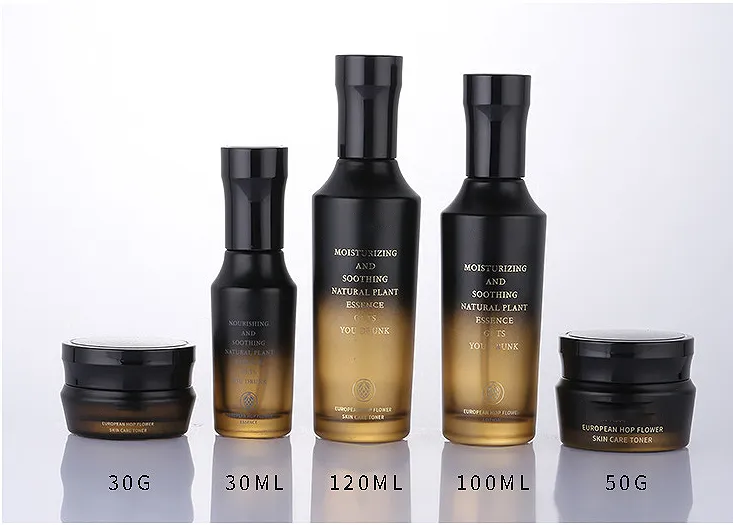
Best Practices for Consistent Results
To achieve the highest standards, successful glass printers follow these best practices:
- Standardize Procedures: Develop and document step-by-step processes for every stage, from cleaning to final inspection.
- Train Staff Regularly: Keep operators updated on new equipment, materials, and quality protocols.
- Maintain Equipment: Schedule routine maintenance and calibration to prevent breakdowns or drift.
- Audit and Review: Periodically review quality data and customer feedback to drive continuous improvement.
- Collaborate with Suppliers: Work closely with ink, glass, and equipment providers to resolve issues quickly.
For those exploring advanced applications, such as smart device glass printing or industrial glass printing uses, these principles are even more critical due to the technical demands and high-value nature of the products.
Frequently Asked Questions
What are the most common causes of defects in glass printing?
The most frequent issues stem from inadequate surface preparation, improper ink selection, and environmental factors like dust or humidity. Regular equipment maintenance and thorough pre-print checks can significantly reduce these problems.
How can I ensure color consistency across different batches?
Use calibrated color management tools, maintain consistent ink formulations, and perform test prints before full production. Comparing results under standardized lighting conditions also helps ensure reliable color matching.
Are there industry standards for quality control in glass printing?
Yes, many manufacturers follow ISO standards or customer-specific requirements for print quality, adhesion, and durability. Adhering to these benchmarks can help secure certifications and build customer trust.
Conclusion
Maintaining high standards in quality control in glass printing is essential for delivering products that stand out for their appearance and reliability. By implementing robust inspection protocols, leveraging modern technology, and fostering a culture of continuous improvement, manufacturers can consistently achieve flawless results. For further reading on decorative techniques, see colored glass decoration methods or explore the advantages of screen printing on glass for more insights into process optimization.