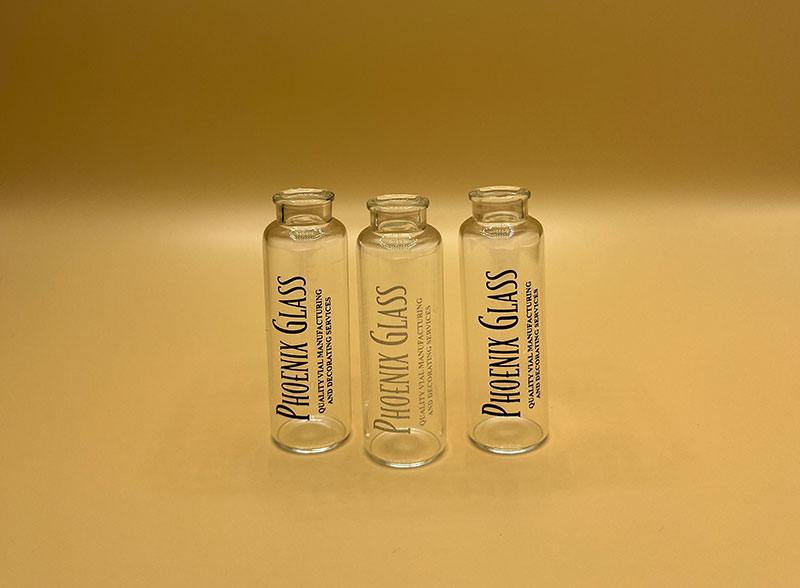

Glass has evolved from a simple building material into a creative canvas for architects, interior designers, and product manufacturers. Printed glass applications are transforming how we think about both functionality and aesthetics, offering endless possibilities for residential, commercial, and industrial environments. Whether it’s for privacy, branding, or pure visual impact, the ability to print on glass unlocks new ways to personalize and enhance any space.
In this article, we’ll explore the most popular uses for decorative and functional glass printing, the technologies behind these techniques, and practical considerations for choosing the right solution for your project. If you’re interested in learning from industry experience, you may also want to check out common mistakes in glass printing to avoid costly errors and achieve the best results.
How Glass Printing Works: Methods and Materials
Modern printed glass applications rely on several advanced technologies, each offering unique benefits. The most common methods include:
- Screen Printing: Involves pushing ink through a mesh stencil onto the glass surface. This is ideal for bold patterns, logos, and repetitive designs.
- Digital Printing: Uses specialized inkjet printers to apply ceramic or UV-curable inks directly onto the glass. This allows for full-color, photo-quality images and intricate details.
- Etching and Sandblasting: These techniques create frosted or textured effects, often used for privacy or subtle decoration.
Each method requires careful selection of inks, coatings, and curing processes to ensure durability, colorfastness, and safety. For a deeper dive into the technical side, see this comprehensive guide to glass printing processes.
Decorative Uses in Interior Design
One of the most exciting aspects of glass printing is its ability to transform interiors. Designers use custom-printed panels for:
- Feature walls and partitions in offices, hotels, and homes
- Shower enclosures and bathroom screens with unique patterns or images
- Kitchen backsplashes that combine easy cleaning with vibrant visuals
- Balustrades and staircases with safety glass that doubles as art
These applications not only provide visual interest but can also enhance privacy, diffuse light, and reinforce brand identity in commercial settings. For those interested in color and vibrancy, colored glass decoration methods offer additional inspiration for creative projects.
Branding and Packaging: Custom Glass for Products
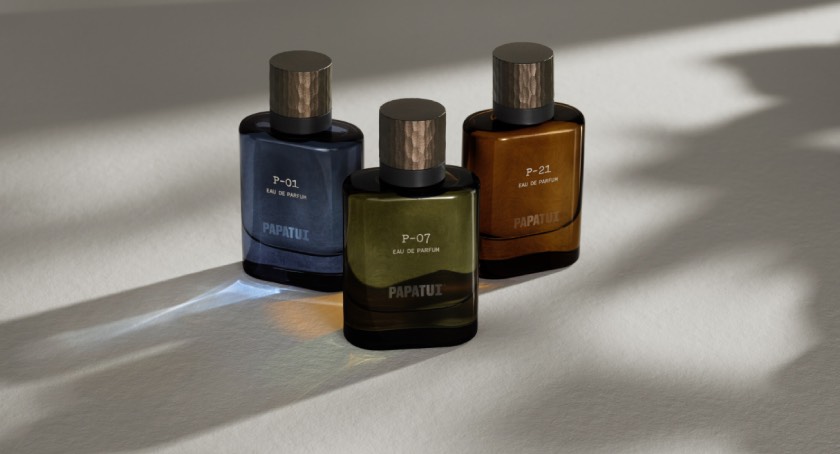
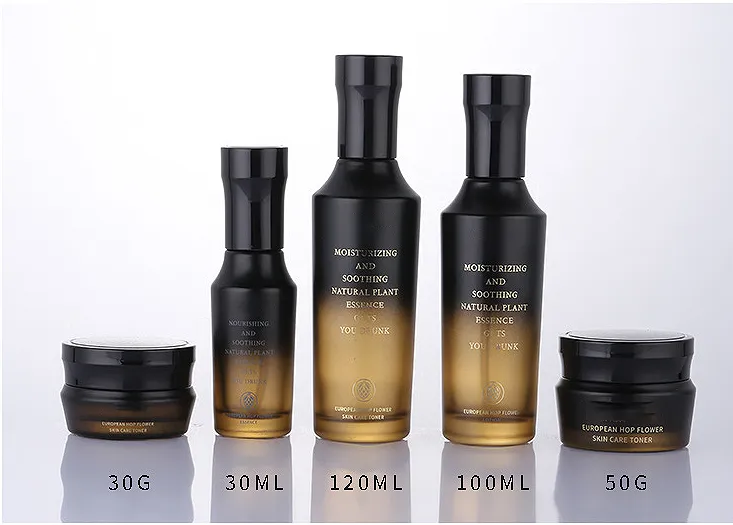
Beyond architecture, printed glass applications play a crucial role in product branding and packaging. Glass bottles and jars for cosmetics, perfumes, and beverages often feature intricate prints that communicate quality and differentiate products on the shelf. Techniques like UV printing and screen printing allow for:
- Detailed logos and graphics
- Metallic or frosted effects
- Durable labels that withstand handling and washing
For manufacturers, the ability to print directly onto glass containers streamlines production and reduces the need for adhesive labels, which can peel or fade over time. This is especially valuable in the beauty and food industries, where presentation is key.
Functional and Industrial Glass Printing Solutions
While decorative uses often get the spotlight, functional printed glass applications are just as important. In the industrial and technology sectors, glass printing is used for:
- Touchscreens and smart devices: Printing conductive inks or display elements directly onto glass panels for phones, tablets, and appliances. For more on this, see smart device glass printing.
- Architectural safety glass: Adding patterns that improve visibility and reduce bird strikes on large windows or facades.
- Solar panels: Printing busbars and electrical circuits onto glass substrates.
- Industrial labeling: Permanent markings for measurement, branding, or safety information.
These applications demand high precision and durability, often requiring specialized inks and curing processes to withstand environmental stress and repeated use. For a broader look at manufacturing and technology uses, industrial glass printing uses provides further insights.
Choosing the Right Printed Glass Solution
Selecting the best approach for your project depends on several factors:
- Intended use: Is the glass for decoration, privacy, branding, or a technical function?
- Location: Interior or exterior? Will it be exposed to sunlight, moisture, or heavy wear?
- Design complexity: Do you need full-color images, simple patterns, or text?
- Volume: Are you producing a single custom piece or a large production run?
- Budget and timeline: Some methods, like digital printing, are faster for short runs, while screen printing is cost-effective for large batches.
It’s also important to consider the difference between printing and other customization techniques. For example, glass printing vs engraving highlights the pros and cons of each process for different needs.
Maintenance, Durability, and Safety
Properly produced printed glass is designed to last. Ceramic inks, when fired onto glass, become part of the surface and resist fading, scratching, and chemicals. UV-cured inks offer good durability for indoor applications. For high-traffic or exterior installations, always confirm that the printed glass meets safety standards and is suitable for the intended environment.
Regular cleaning with non-abrasive materials will help maintain the clarity and vibrancy of printed designs. Avoid harsh chemicals unless the manufacturer confirms compatibility with the inks and coatings used.
Frequently Asked Questions
What are the main benefits of using printed glass in design?
Printed glass offers unmatched customization, allowing for unique patterns, branding, privacy, and light control. It is durable, easy to clean, and can be tailored to fit almost any architectural or product requirement.
How long do printed designs last on glass?
When produced with the right materials and processes, such as ceramic inks fired onto the glass, printed designs can last for decades without fading or peeling. UV-cured inks are also long-lasting for indoor use, though they may be less resistant to harsh outdoor conditions.
Can printed glass be used in safety-critical applications?
Yes, as long as the glass meets relevant safety standards (such as tempered or laminated glass) and the printing process does not compromise its integrity. Many architectural and industrial applications use printed safety glass for both functional and decorative purposes.