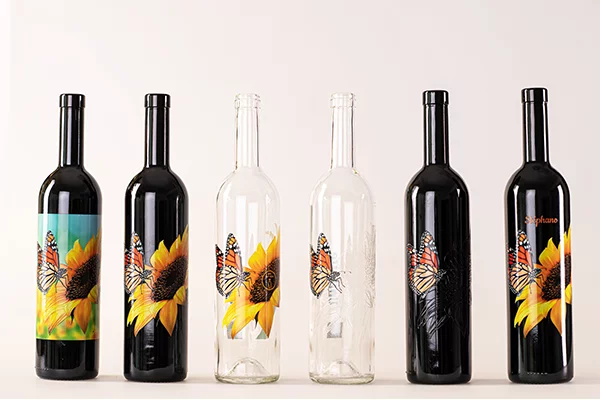

Screen printing on glass has become a preferred method for creating vibrant, long-lasting graphics on bottles, jars, panels, and decorative pieces. This process allows for crisp, colorful designs that stand up to handling, washing, and exposure, making it ideal for both industrial and artistic applications. Whether you’re a manufacturer, designer, or hobbyist, understanding the nuances of this technique can help you achieve professional, durable results on glass surfaces.
In this guide, we’ll explore the fundamentals of printing on glass, the benefits of this approach, and practical tips for achieving the best outcomes. If you’re interested in learning about related topics, such as common mistakes in glass printing or how to compare different decoration methods, you’ll find helpful resources linked throughout.
How the Screen Printing Process Works on Glass
At its core, screen printing on glass involves pushing ink through a mesh stencil (the screen) onto the glass surface. The process is highly adaptable, suitable for flat panels, curved bottles, and even complex shapes. Here’s a simplified overview:
- Preparation: The glass is cleaned thoroughly to remove dust, oils, and residues that could affect adhesion.
- Stencil Creation: A design is transferred onto a mesh screen using a light-sensitive emulsion. The open areas allow ink to pass through.
- Printing: The screen is placed over the glass, and ink is spread across the screen using a squeegee. The ink passes through the open areas, transferring the design.
- Curing: Printed glass is typically cured using heat or UV light, which bonds the ink to the surface for durability.
This method is valued for its versatility and ability to produce opaque, vivid, and multi-color graphics. For a deeper dive into the technical aspects, you can visit this comprehensive guide to glass printing techniques.
Advantages of Using Screen Printing for Glass Decoration
Choosing this technique for glass customization offers several key benefits:
- Durability: Cured inks form a strong bond with glass, resisting scratches, fading, and chemicals.
- Vivid Colors: Specialized inks provide rich, opaque colors that stand out on clear or colored glass.
- Design Flexibility: Suitable for both simple logos and intricate artwork, including metallic and textured effects.
- Scalability: Efficient for both small batches and large production runs.
These advantages make it a popular choice for industries ranging from beverage packaging to luxury cosmetics and architectural glass panels.
Types of Inks and Curing Methods for Glass Printing
The success of any glass decoration project depends on choosing the right ink and curing process. Here are the most common options:
- Thermoset Inks: Require heat curing (often in a kiln or oven). They offer exceptional durability and chemical resistance.
- UV-Curable Inks: Harden instantly under ultraviolet light, making them suitable for fast production lines and sensitive glass items.
- Solvent-Based Inks: Air-dry and adhere well to glass, but may require additional protective coatings for outdoor or heavy-use items.
Each ink type has its own advantages in terms of color vibrancy, adhesion, and resistance to wear. The choice depends on the intended use and the specific properties required for the finished product.
Applications and Industries Benefiting from Glass Screen Printing
This printing method is widely used across various sectors:
- Beverage and Food Packaging: Bottles and jars with branded logos, ingredient lists, and decorative motifs.
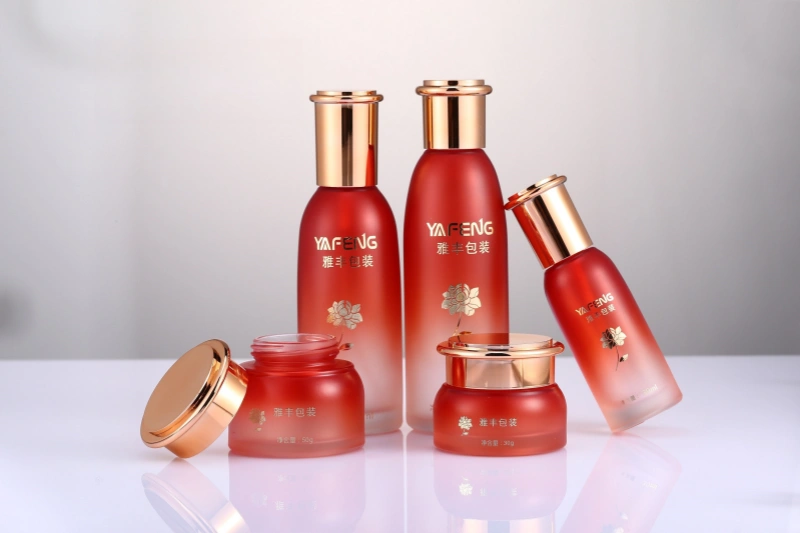
- Cosmetics: High-end containers for creams, perfumes, and serums often feature intricate printed designs.
- Architectural Glass: Decorative panels, partitions, and signage in commercial and residential buildings.
- Promotional Items: Custom glassware, awards, and gifts with personalized graphics.
If you’re interested in exploring more about industrial glass printing uses or how technology is advancing in this space, there are many resources available for further reading.
Tips for Achieving Long-Lasting Results
To maximize the durability and visual impact of your printed glass items, consider these best practices:
- Surface Preparation: Always clean glass thoroughly. Any residue can cause ink to lift or peel.
- Screen Quality: Use a fine mesh for detailed designs and ensure the stencil is properly exposed.
- Ink Selection: Match your ink type to the intended use—outdoor, food-safe, or decorative.
- Curing: Follow manufacturer guidelines for temperature and duration to ensure full adhesion.
- Testing: Print a sample and test for scratch, wash, and chemical resistance before full production.
For those new to the process, starting with a quality kit and practicing on small items can help build confidence and skill. If you want to compare this method to others, such as glass printing vs engraving, you’ll find useful comparisons online.
Common Challenges and How to Overcome Them
Even experienced printers encounter issues. Here are some frequent challenges and solutions:
| Challenge | Solution |
|---|---|
| Ink not adhering | Ensure glass is clean and use adhesion promoters if needed. |
| Design smudging | Allow adequate drying/curing time and handle glass carefully. |
| Color fading | Use UV-resistant inks and proper curing for outdoor items. |
| Stencil bleeding | Check mesh tension and use the correct squeegee pressure. |
For more troubleshooting advice, refer to guides on common mistakes in glass printing and how to avoid them.
Innovations and Trends in Glass Decoration
Recent years have seen exciting developments in the field, including digital hybrid printing, eco-friendly inks, and advanced coatings for smart devices. If you’re interested in the latest in smart device glass printing or want to explore colored glass decoration methods, there’s a growing body of knowledge and technology to discover.
These innovations are expanding the creative possibilities for both commercial and artistic glass projects, making it easier than ever to achieve unique, durable designs.
Frequently Asked Questions
What makes screen printing on glass more durable than other decoration methods?
The combination of specialized inks and high-temperature or UV curing creates a strong bond between the ink and the glass surface. This results in graphics that are resistant to scratches, fading, and chemicals, making them suitable for repeated use and washing.
Can I use this technique at home, or is it only for industrial production?
While many large-scale operations use automated equipment, it’s entirely possible to print on glass at home using manual kits. Beginners should start with simple designs and practice on inexpensive glassware before moving to more complex projects.
How do I choose the right ink for my project?
Consider the intended use of your glass item. For items exposed to sunlight or frequent washing, opt for UV-resistant or thermoset inks. For decorative indoor pieces, solvent-based inks may suffice. Always check compatibility with your curing equipment and safety requirements.
Conclusion
Printing on glass offers unmatched durability and creative freedom for a wide range of applications, from packaging to art. By understanding the process, selecting the right materials, and following best practices, you can achieve professional, long-lasting results. For further reading on advanced techniques or troubleshooting, explore the linked resources throughout this article.