CMYK printing on glass has transformed the way brands, artists, and manufacturers decorate glass surfaces. By leveraging the four-color process—cyan, magenta, yellow, and black—this method enables the creation of vivid, photo-quality graphics directly on bottles, jars, panels, and more. Whether you are in packaging, interior design, or custom gifting, understanding this technique can unlock new creative possibilities and help you achieve professional, durable results.
Before diving deeper, it’s important to note that achieving flawless results on glass requires both technical know-how and an understanding of potential pitfalls. For those interested in avoiding common errors, common mistakes in glass printing are explored in detail on our site.
Understanding the Four-Color Process for Glass
The four-color process, commonly referred to as CMYK, is a standard in the world of full-color printing. On glass, this process involves layering semi-transparent inks in cyan, magenta, yellow, and black to produce a wide spectrum of colors. This approach is especially valued for its ability to reproduce photographs, gradients, and complex artwork with impressive clarity and vibrancy.
Unlike traditional single-color or spot-color decoration, CMYK methods allow for intricate designs and branding elements to be applied directly to glass surfaces. This is particularly useful for beverage bottles, perfume containers, and decorative panels where visual impact is key.
How CMYK Printing on Glass Works
Applying the four-color process to glass surfaces involves several specialized steps:
- Surface Preparation: The glass must be meticulously cleaned and sometimes pre-treated to ensure ink adhesion.
- Artwork Separation: Digital artwork is separated into four channels—one for each color in the CMYK model.
- Printing Method: Most commonly, digital UV printing or screen printing is used. UV printers cure ink instantly, while screen printing may require heat or UV curing.
- Layering: Each color is applied in sequence, with precise alignment to ensure accurate color reproduction.
- Curing: The printed glass is exposed to UV light or heat to permanently set the ink, making it resistant to scratches and washing.
This process results in durable, high-resolution images that can withstand handling and exposure to sunlight or moisture.
Benefits of Full-Color Printing on Glass
Choosing CMYK printing on glass offers several distinct advantages:
- Unlimited Color Range: The four-color process can reproduce virtually any color, including gradients and photographic images.
- Brand Consistency: Companies can maintain consistent branding across glass packaging and promotional items.
- Durability: Modern inks and curing methods ensure that prints are long-lasting and resistant to fading or abrasion.
- Design Flexibility: From minimalist logos to complex illustrations, this method supports a wide variety of design styles.
Popular Applications for Colorful Glass Decoration
Full-color glass decoration is widely used across industries. Some of the most common applications include:
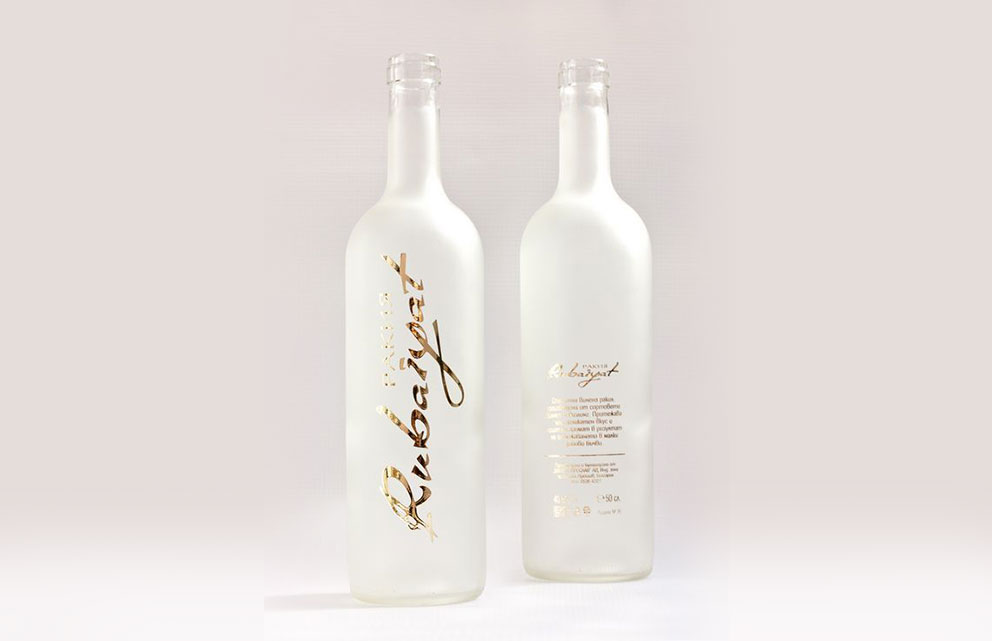
- Beverage Bottles: Craft breweries, wineries, and soft drink brands use this technique to create eye-catching labels and logos directly on glass bottles.
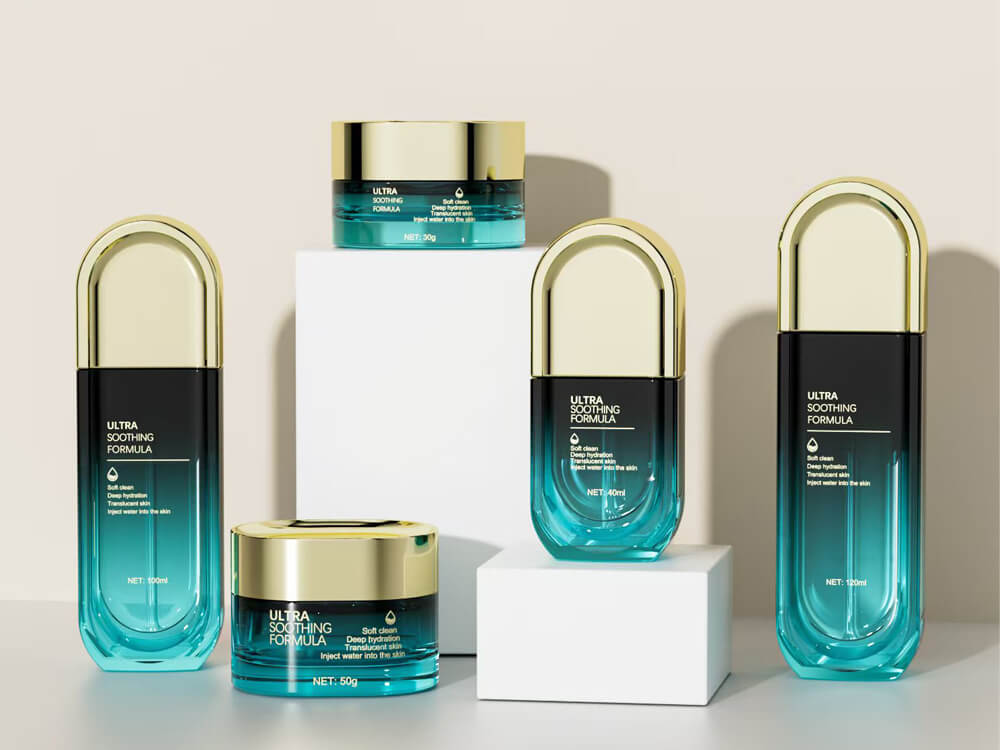
- Cosmetic Packaging: Perfume and skincare brands often rely on detailed, colorful prints for a premium look.
- Interior Design: Decorative glass panels, backsplashes, and partitions benefit from vibrant, custom graphics.
- Promotional Items: Custom glassware, awards, and gifts can be personalized with full-color artwork for events or branding campaigns.
For those interested in exploring other decorative techniques, our guide to colored glass decoration methods covers additional options for adding flair to glass surfaces.
Comparing Printing Methods for Glass Surfaces
While the four-color process is highly versatile, it’s not the only method available for decorating glass. Here’s how it compares to other approaches:
| Method | Color Capability | Durability | Best For |
|---|---|---|---|
| CMYK (Four-Color Process) | Full-color, gradients, photos | High (with UV/heat curing) | Branding, artwork, packaging |
| Screen Printing | Spot colors, metallics | Very high | Logos, simple graphics |
| Etching/Frosting | Single color (frosted effect) | Permanent | Decorative, privacy panels |
| Decals/Transfers | Full-color | Moderate | Short runs, prototypes |
For a deeper dive into the differences between printing and engraving, see our article on glass printing vs engraving.
Tips for Achieving the Best Results with Glass Printing
To get the most out of CMYK printing on glass, consider the following best practices:
- High-Resolution Artwork: Use vector files or high-resolution images to ensure crisp, clear prints.
- Color Management: Calibrate your monitors and proof your designs to anticipate how colors will appear on transparent or colored glass.
- Surface Treatment: Proper cleaning and, if needed, priming of the glass is essential for ink adhesion and longevity.
- Test Prints: Always run test samples to check color accuracy and durability before full production.
- Choose the Right Ink: UV-curable inks are popular for their quick drying times and resistance to fading or scratching.
For those new to the process or looking to experiment, starter kits and etching creams can be valuable tools. The Caydo Screen Printing Kit and Armour Etch Cream are popular choices for DIY projects and small runs.
Challenges and Considerations in Glass Printing
While the four-color process offers many benefits, there are some challenges to keep in mind:
- Ink Adhesion: Glass is non-porous, so inks may not adhere as easily as they do to paper or plastic. Specialized primers or surface treatments may be required.
- Color Shift: Because glass is transparent or tinted, colors can appear different than expected. Always proof designs on the actual substrate.
- Cost: Full-color printing can be more expensive than single-color methods, especially for short runs.
- Environmental Factors: Exposure to sunlight, moisture, or chemicals can affect print longevity if the wrong inks or curing methods are used.
For more insights into the technical side of decorating glass, including coatings for electronics and smart devices, see our article on smart device glass printing.
Industry Trends and Innovations
Recent years have seen significant advancements in glass decoration technology. Digital UV printers now allow for faster, more precise application of full-color graphics, even on curved or irregular surfaces. Eco-friendly inks and energy-efficient curing systems are also gaining popularity, helping brands meet sustainability goals.
For a comprehensive overview of how these methods are being used in manufacturing and technology, our guide to industrial glass printing uses provides further reading.
If you want to learn more about the technical aspects and best practices for decorating glass, this in-depth guide to printing on glass covers a range of processes and tips for both beginners and professionals.
Frequently Asked Questions
What types of glass items can be decorated with the four-color process?
Most glass surfaces—including bottles, jars, panels, glassware, and even curved or irregular shapes—can be decorated using the CMYK method, provided the right equipment and inks are used.
Is full-color printing on glass dishwasher safe?
When properly cured with UV or heat, and using inks formulated for glass, prints are generally resistant to washing and abrasion. However, it’s best to check with your printer or ink supplier for specific durability ratings.
Can I use this technique for short-run or custom projects?
Yes, digital CMYK printers make it possible to produce small batches or even one-off items with full-color graphics, making this method ideal for personalized gifts, prototypes, or limited edition products.
How do I ensure color accuracy on transparent or colored glass?
Color management is key. Use white ink underlays if available, proof your designs on the actual glass, and consult with your printer to adjust artwork for the specific substrate color and transparency.