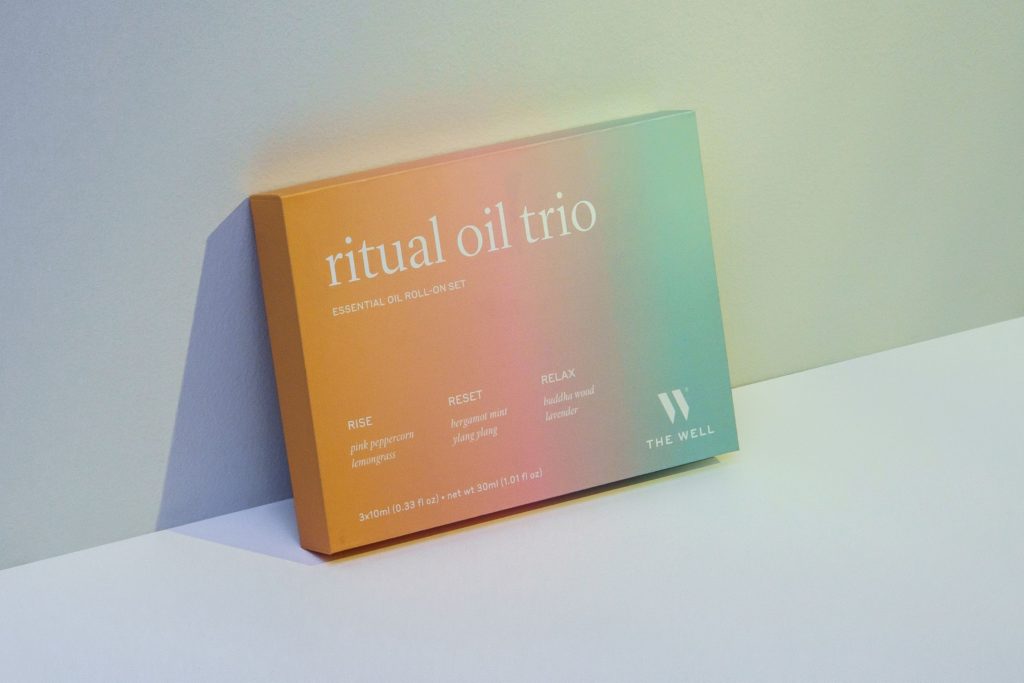

Packaging is more than just a protective shell for products—it’s a powerful communication tool that can shape brand perception and drive consumer decisions. Brands that understand how to use storytelling through packaging print and copy can create memorable experiences, foster emotional connections, and stand out on crowded shelves. By weaving a narrative into every visual and word, packaging becomes a silent salesperson, conveying values, origins, and promises in an instant.
This guide explores practical strategies for integrating storytelling into packaging design, focusing on both print elements and written copy. We’ll look at why this approach matters, how to craft compelling narratives, and what techniques can help your packaging resonate with today’s consumers. For those interested in innovative packaging technologies, understanding what is digital prototyping for packaging can also enhance your design process and speed up production cycles.
Why Storytelling Matters in Packaging
Modern consumers are bombarded with choices. What often sets one product apart from another isn’t just quality or price, but the story behind the brand. Packaging is the first physical touchpoint a customer has with a product, making it a prime opportunity to communicate a brand’s narrative. Effective storytelling through packaging print and copy can:
- Build trust by sharing brand values and origins
- Create emotional connections that foster loyalty
- Differentiate products in a competitive marketplace
- Encourage social sharing and word-of-mouth marketing
When a package tells a story, it transforms a simple transaction into an experience, encouraging customers to remember—and return to—the brand.
Key Elements of Narrative-Driven Packaging Print
To master how to use storytelling through packaging print, it’s essential to understand the core elements that make a narrative effective on a physical package:
- Visuals: Imagery, color palettes, and illustrations can evoke emotions and set the tone for the brand’s story.
- Typography: The style and arrangement of text can reinforce the mood—playful, elegant, bold, or classic.
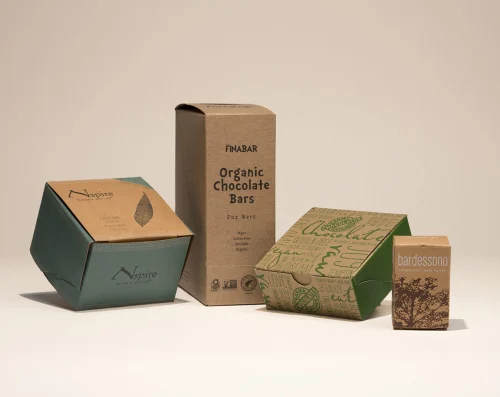
- Material Choices: The feel and finish of packaging materials (matte, glossy, textured) can align with the story you want to tell.
- Copywriting: Words on the package—whether a tagline, product description, or brand manifesto—should be concise yet evocative.
Combining these elements thoughtfully ensures the story is not just told, but felt.

Techniques for Crafting a Compelling Packaging Narrative
Successful packaging stories are intentional and strategic. Here are proven techniques to help your brand communicate its message effectively:
1. Start with Your Brand’s Core Message
Before designing, clarify the core message you want to convey. Is your brand about sustainability, tradition, innovation, or luxury? Every design choice should reinforce this central theme.
2. Use Imagery That Resonates
Images can communicate complex ideas instantly. For example, heritage brands might use vintage illustrations, while eco-friendly companies could feature natural textures or earthy tones. The right visuals can transport customers into your brand’s world before they even read a word.
3. Leverage Color Psychology
Colors evoke emotions and associations. Blue can suggest trust, green signals sustainability, and red can indicate excitement or urgency. Choose a palette that aligns with your narrative and appeals to your target audience.
4. Write Copy That Connects
Every word on your packaging should serve a purpose. Use concise, evocative language to tell your story. For example, instead of “handmade soap,” try “crafted in small batches using family recipes.” This approach gives context and depth, inviting consumers to become part of the story.
5. Incorporate Interactive Elements
Consider adding QR codes or augmented reality features that let customers explore your brand’s story further. This not only enhances engagement but also bridges the gap between physical and digital storytelling.
Integrating Print Technology for Enhanced Storytelling
Advancements in print technology have opened new possibilities for narrative-driven packaging. Digital printing, for example, allows for short runs and customization, making it easier to tailor stories for specific markets or campaigns. For a deeper dive into the future of print, explore this comprehensive overview of digital print trends.
Other techniques, such as holographic lamination or specialty finishes, can add tactile and visual interest, reinforcing the story you want to tell. The right technology ensures that your narrative is not only seen but also felt, creating a multi-sensory brand experience.
Best Practices for Storytelling in Packaging Copy
Words matter just as much as visuals. Here are some tips for writing copy that supports your packaging narrative:
- Be authentic: Share real stories about your brand, founders, or sourcing process.
- Keep it concise: Space is limited, so make every word count.
- Use a consistent voice: Whether playful, serious, or quirky, your tone should match your brand personality.
- Highlight benefits: Show how your product fits into the customer’s life or solves a problem.
- Invite engagement: Encourage customers to share their experiences or visit your website for more of the story.
For brands targeting younger audiences, consider reading about how to design packaging for Gen Z consumers to ensure your messaging and visuals resonate with modern values and trends.
Measuring the Impact of Packaging Storytelling
It’s important to assess whether your narrative-driven packaging is achieving its goals. Key performance indicators include:
- Sales lift after redesigns that incorporate storytelling
- Customer feedback mentioning packaging or brand story
- Social media engagement and user-generated content
- Repeat purchases and increased brand loyalty
Gather data through surveys, online reviews, and direct customer interactions to refine your approach and maximize impact.
FAQ: Storytelling and Packaging Print
How does storytelling in packaging influence consumer behavior?
Storytelling in packaging creates an emotional connection between the brand and the consumer. When shoppers feel a personal link to a product’s story, they are more likely to remember the brand, make a purchase, and share their experience with others. This emotional resonance can drive loyalty and increase word-of-mouth recommendations.
What are some common mistakes to avoid when using narrative in packaging?
Common pitfalls include using generic or clichéd stories, overloading the package with too much information, and failing to align the narrative with the brand’s actual values. It’s crucial to keep the story authentic, concise, and visually integrated with the overall design.
Can small businesses benefit from packaging storytelling, or is it only for big brands?
Small businesses can benefit greatly from narrative-driven packaging. In fact, a compelling story can help smaller brands stand out against larger competitors by highlighting unique origins, craftsmanship, or community ties. With digital printing and short-run capabilities, even limited budgets can support creative storytelling on packaging.
Conclusion
Mastering how to use storytelling through packaging print and copy is a valuable skill for any brand seeking to make a lasting impression. By combining thoughtful visuals, strategic copy, and the latest print technologies, brands can turn every package into a powerful narrative device. Whether you’re launching a new product or refreshing an existing line, focusing on story-driven design can help you connect with customers, differentiate your offerings, and build lasting loyalty.