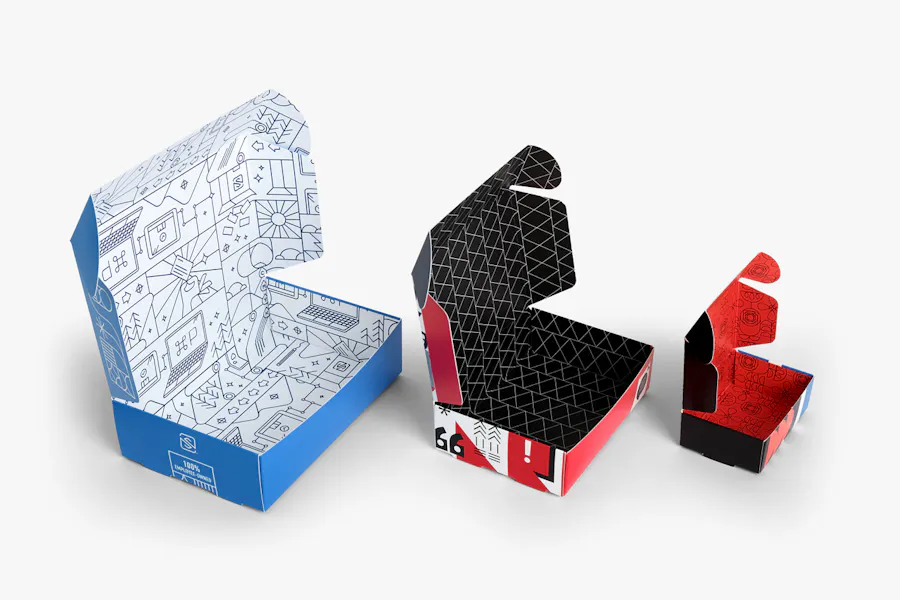

The way shoppers interact with products on shelves and online has a profound effect on how packaging is designed. Brands and manufacturers are increasingly focused on understanding the impact of consumer behavior on packaging visuals to create designs that not only attract attention but also drive purchasing decisions. This article explores how evolving preferences, psychological triggers, and demographic trends shape the look and feel of packaging, from color choices to layout strategies.
As packaging becomes a crucial touchpoint in the customer journey, companies are leveraging insights from consumer research to optimize every element, including graphics, typography, and structural layout. By aligning packaging with what buyers value most—whether that’s sustainability, convenience, or visual appeal—brands can differentiate themselves in a crowded marketplace. For those interested in the technical side of packaging innovation, learning about what is digital prototyping for packaging can offer additional perspective on how design concepts are rapidly tested and refined.
How Shopper Preferences Influence Packaging Design
The choices consumers make are rarely random. Instead, they are shaped by a blend of cultural trends, personal values, and practical needs. When it comes to packaging, these factors directly influence both visual elements and structural layouts. For example, the rise in eco-consciousness has led to a surge in minimalist designs and recyclable materials. Shoppers are drawn to packaging that communicates transparency and responsibility, often through clear labeling and earthy color palettes.
In addition, convenience is a growing priority. Busy lifestyles mean consumers prefer packaging that is easy to open, resealable, or portion-controlled. These functional aspects must be balanced with visual appeal, ensuring that the package stands out while remaining user-friendly. Brands that successfully integrate these insights into their packaging often see higher engagement and loyalty.
Visual Elements That Capture Attention
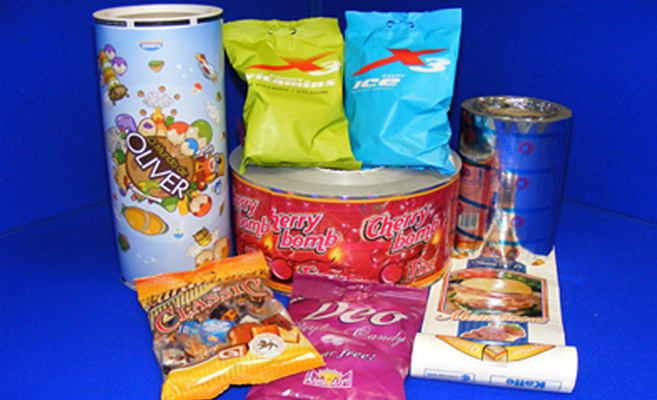
The impact of consumer behavior on packaging visuals is especially evident in the use of color, imagery, and typography. Studies show that shoppers make split-second decisions based on visual cues. Bright, contrasting colors can attract the eye, while clean, uncluttered layouts help communicate key information quickly. Imagery that resonates with target demographics—such as health-focused graphics for wellness products or playful illustrations for children’s items—can further enhance appeal.
Typography also plays a crucial role. Fonts that are easy to read and match the brand’s personality help build trust and recognition. For instance, luxury products often use elegant, serif fonts, while tech gadgets may opt for bold, modern typefaces. The strategic placement of text, such as highlighting benefits or unique selling points, guides consumers toward making informed choices.
Layout Strategies Shaped by Consumer Insights
Beyond visuals, the arrangement of elements on a package—known as layout—can significantly affect how information is processed. Research into shopper behavior reveals that people scan packages in predictable patterns, often starting at the top left and moving diagonally downward. Effective layouts prioritize the most important details, such as product name, benefits, and certifications, in these high-visibility zones.
The use of white space, or negative space, is another key tactic. It prevents visual overload and helps important features stand out. For example, a crowded label with too many graphics can overwhelm shoppers, while a balanced design with ample breathing room feels more premium and approachable. Brands are also experimenting with unconventional layouts—such as vertical text or asymmetrical designs—to create a sense of uniqueness and innovation.
For brands targeting younger audiences, understanding how to design packaging for Gen Z consumers is essential, as this demographic values authenticity and bold, expressive visuals.
Psychological Triggers in Packaging Visuals
The psychology behind packaging is complex. Color psychology, for instance, suggests that certain hues evoke specific emotions—blue for trust, green for health, red for excitement. These associations can be leveraged to reinforce brand messaging and influence purchase intent. Similarly, tactile elements like embossing or matte finishes can create a multisensory experience that makes a product more memorable.
Visual hierarchy is another psychological tool. By using size, contrast, and placement, designers can guide the eye toward the most persuasive information. For example, placing a bold claim or award badge at the focal point of a package can quickly communicate value and credibility. This approach is especially important in crowded retail environments where shoppers are bombarded with choices.
Trends Shaping the Future of Packaging
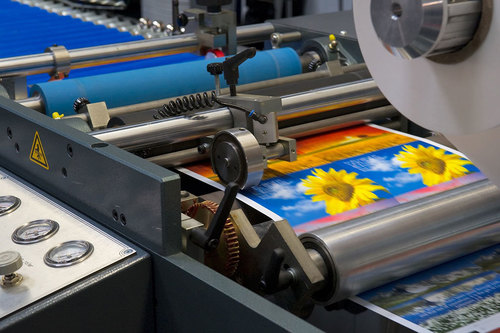
As technology and consumer expectations evolve, packaging design continues to adapt. Digital printing, for example, allows for greater customization and faster prototyping, enabling brands to test new visuals and layouts with minimal risk. The adoption of cloud-based color management systems, as discussed in the benefits of cloud-based color management, ensures consistency across global markets.
Sustainability remains a driving force, with more brands opting for biodegradable materials and refillable packaging. Interactive features, such as QR codes or augmented reality, are also gaining traction, offering consumers additional information or immersive experiences. For a deeper dive into where the industry is headed, explore this analysis on the future of print and packaging.
As consumer behavior continues to shift, staying informed about new materials, printing techniques, and design strategies will be essential for brands that want to remain competitive and relevant.
FAQ
How do consumer preferences affect packaging design choices?
Preferences influence every aspect of packaging, from the materials used to the colors and graphics displayed. Brands often conduct market research to understand what their target audience values most, such as sustainability, convenience, or bold visuals, and adjust their packaging accordingly.
What visual elements are most effective for attracting shoppers?
Effective elements include vibrant colors, clear typography, and imagery that resonates with the intended demographic. Strategic use of white space and a strong visual hierarchy help ensure that key information stands out and is quickly understood.
How is technology changing the way packaging is designed?
Advances in digital printing and prototyping allow for rapid testing of new designs and layouts. Cloud-based color management and interactive features like QR codes are also enabling brands to create more engaging and consistent packaging experiences.