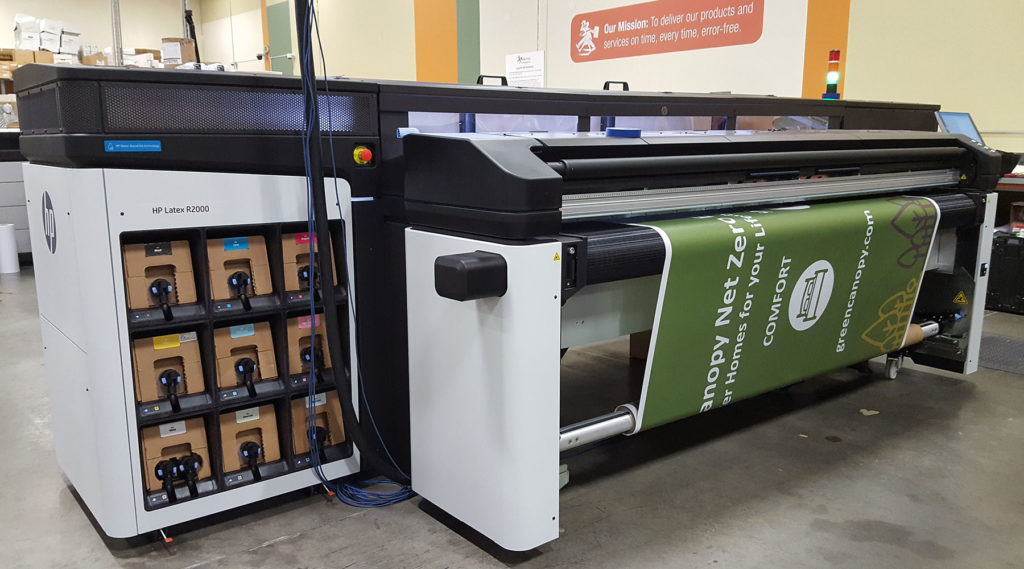

Latex printing innovations are rapidly changing the landscape of digital print production. Over the past decade, this technology has evolved from a niche solution to a mainstream choice for sign makers, packaging specialists, and commercial printers. The latest advancements are not just about speed or color—they address sustainability, versatility, and print quality, making latex printing a compelling option for businesses seeking both performance and environmental responsibility.
For those interested in sustainable alternatives, exploring a guide to solvent-free printing processes can provide additional context on how latex printing fits into the broader movement toward eco-friendly production.
Breakthroughs in Ink Formulation and Environmental Impact
One of the most significant latex printing innovations is the development of new water-based ink formulations. These inks are designed to deliver vibrant colors and sharp details while minimizing harmful emissions. Unlike traditional solvent-based inks, modern latex inks are virtually odorless and contain fewer volatile organic compounds (VOCs), making them safer for operators and end-users alike.
Manufacturers have also improved the durability and flexibility of latex inks, allowing prints to withstand outdoor conditions and repeated handling. This means banners, vehicle wraps, and wall graphics can maintain their appearance for years without fading or cracking.
- Reduced environmental footprint: Water-based latex inks require less energy for curing and emit fewer pollutants.
- Enhanced media compatibility: New ink chemistries adhere to a wider range of substrates, including textiles, vinyl, and paper.
- Recyclable outputs: Many latex prints are now suitable for recycling, supporting circular economy goals.
Advances in Printhead Technology and Productivity
Recent improvements in printhead engineering have enabled faster print speeds and higher resolutions. Modern latex printers use precision nozzles and advanced drop placement algorithms to produce fine gradients and crisp text, even at high throughput rates. This is especially important for applications that demand photographic quality, such as retail displays and fine art reproductions.
Automated maintenance systems are another key innovation. Self-cleaning printheads and intelligent monitoring reduce downtime, extend equipment life, and lower operational costs. These features help businesses maintain consistent output, even during long production runs.
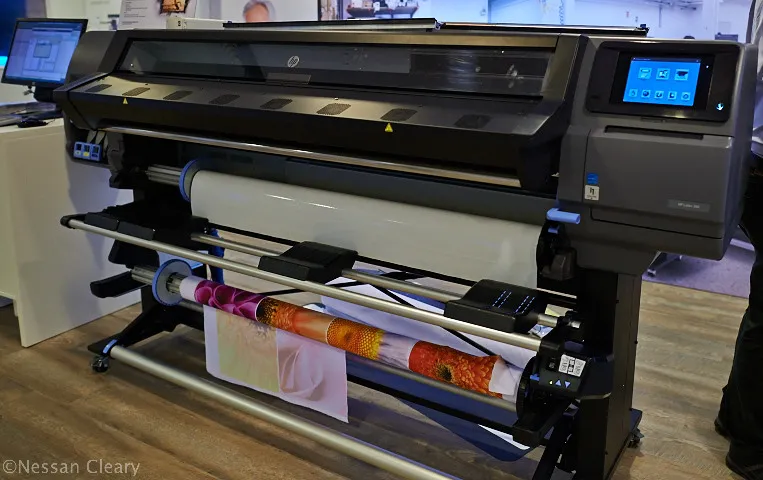
Media Versatility and Application Expansion
Modern latex printers are engineered to handle an ever-expanding array of media types. This versatility is a direct result of both hardware and software advancements, enabling users to print on everything from traditional signage materials to specialty substrates like canvas, wallpaper, and even fabrics.
With improved curing systems, prints dry instantly and are ready for immediate finishing or installation. This rapid turnaround is crucial for businesses that operate on tight deadlines or need to deliver just-in-time solutions for events and promotions.
Some of the most popular applications benefiting from these advancements include:
- Custom wallpaper and interior décor
- Soft signage and textile displays
- Vehicle and fleet graphics
- Outdoor banners and billboards
- Retail point-of-purchase displays
For those working with corrugated packaging, integrating latex printing with techniques from resources like how to achieve photographic quality on corrugated flutes can further expand creative possibilities.
Workflow Automation and Color Management
Another area of rapid progress is workflow automation. Modern latex printing systems often include integrated RIP software, cloud-based job management, and remote monitoring. These tools help operators streamline production, reduce errors, and optimize material usage.
Color management has also seen notable improvements. Built-in spectrophotometers and calibration tools ensure consistent color reproduction across different jobs and media types. This is essential for brand-critical applications where color accuracy cannot be compromised.
For professionals who require precise color matching, investing in a monitor calibration device can further enhance workflow reliability and output quality.
Comparing Latex Printing to Other Technologies
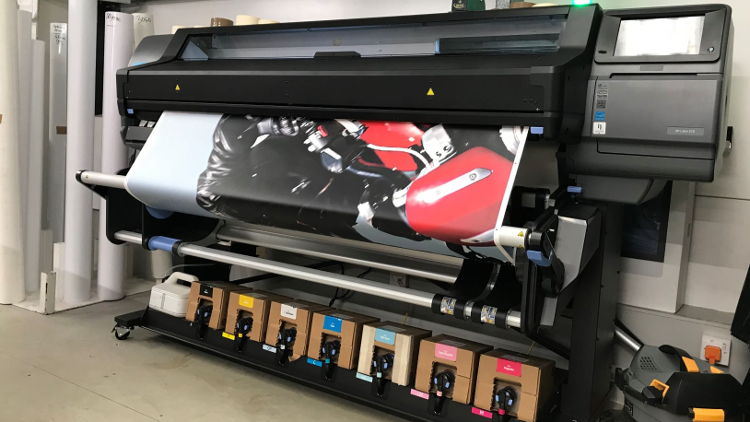
When evaluating print technologies, it’s important to consider how latex compares to eco-solvent and UV-curable systems. Each has its own strengths, but latex stands out for its combination of environmental benefits, media versatility, and ease of use. For a detailed comparison, see this in-depth look at latex vs. eco-solvent printing.
Latex systems typically require less ventilation, produce less odor, and offer faster turnaround times due to instant drying. They are also more adaptable to a wide range of applications, making them a solid choice for print service providers looking to diversify their offerings.
Emerging Trends and Future Directions
The future of latex printing is shaped by ongoing research and development. Some of the emerging trends include:
- Smart automation: Integration with IoT devices and predictive maintenance tools for increased uptime.
- Expanded substrate compatibility: Support for more sustainable and specialty materials, including biodegradable films and recycled papers.
- Enhanced print durability: New coatings and overlaminates for even greater resistance to abrasion and UV exposure.
- Integration with digital finishing: Seamless workflows that combine printing, cutting, and finishing in a single automated process.
As these trends continue, latex printing will likely play a central role in the shift toward greener, more efficient print production. For those interested in related packaging technologies, exploring topics like innovations in oxygen scavenger labels and the future of cobots in packaging decoration can provide a broader view of how print and packaging are evolving together.
Frequently Asked Questions
What makes latex printing more environmentally friendly than other methods?
Latex printing uses water-based inks that emit fewer VOCs and require less energy for curing. This reduces air pollution and creates a safer working environment. Many latex prints are also recyclable, supporting sustainability goals.
Can latex printers handle specialty materials and textiles?
Yes, modern latex printers are highly versatile and can print on a wide range of substrates, including textiles, canvas, wallpaper, vinyl, and more. This flexibility makes them suitable for diverse applications, from soft signage to custom décor.
How does latex printing compare to eco-solvent printing?
Latex printing offers faster drying times, lower odor, and greater environmental benefits compared to eco-solvent systems. For a detailed comparison, refer to this comprehensive guide on latex vs. eco-solvent printing.
What are the maintenance requirements for latex printers?
Latex printers are designed with automated maintenance features, such as self-cleaning printheads and intelligent monitoring. These systems help reduce downtime and keep the equipment running efficiently with minimal manual intervention.
Where can I learn more about solvent-free and specialty printing processes?
For further reading, check out the guide to solvent-free printing processes and what is sublimation printing for specialty packaging for insights into alternative technologies and their applications.