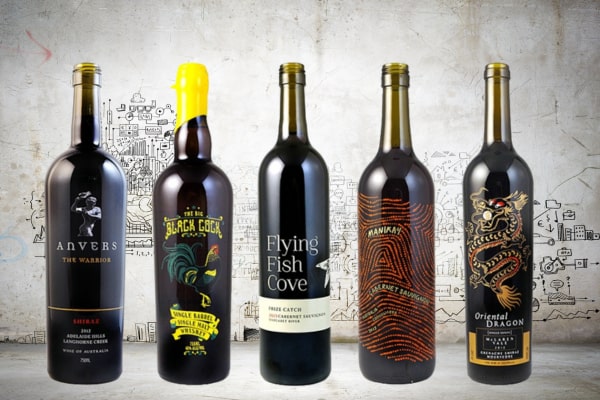

Glass printing has become a cornerstone for industries seeking both functional and decorative applications. From cosmetic bottles to high-end electronics, the need for scratch resistant glass printing has never been greater. Durability, clarity, and longevity are essential, especially when products face frequent handling or exposure to harsh environments. This guide explores the latest methods, materials, and benefits of advanced glass printing that stands up to daily wear and tear.
Choosing the right technique and understanding the science behind scratch resistance can help brands and manufacturers deliver products that look pristine for longer. Whether you’re a packaging designer, a manufacturer, or a business owner, knowing how to achieve lasting prints on glass can set your offerings apart in a competitive market.
For those interested in exploring related topics, understanding the common mistakes in glass printing can help avoid pitfalls and improve results early in the process.
Why Durability Matters in Glass Printing
Printed glass surfaces are often exposed to friction, cleaning agents, and environmental stress. In sectors like cosmetics, food and beverage, and electronics, the printed design is not just for branding—it’s a functional part of the product. If the print scratches or fades, it can impact both aesthetics and usability.
Durable glass printing ensures:
- Brand integrity: Logos and designs remain sharp and legible over time.
- Product longevity: Bottles, jars, and panels maintain their premium look despite regular use.
- Consumer trust: High-quality finishes reflect positively on the brand.
Key Technologies for Scratch Resistant Glass Printing
Several advanced methods are used to create robust, abrasion-resistant prints on glass. Here are the most effective approaches:
UV Digital Printing on Glass
UV digital printing uses ultraviolet light to cure specially formulated inks directly onto the glass surface. This process creates a strong bond, resulting in vibrant, detailed images that resist scratching and fading. UV-cured inks are engineered for adhesion and flexibility, making them ideal for curved or irregular shapes.
For a deeper dive into this method, see this resource on UV digital printing on glass, which outlines the technical advantages and application versatility.
Screen Printing with Durable Inks
Screen printing remains a popular choice for high-volume production. When paired with ceramic or epoxy-based inks, this technique delivers prints that can withstand abrasion, chemicals, and UV exposure. The ink is often heat-cured, further enhancing its resistance to scratches and environmental wear.
Chemical Etching and Frosting
Etching and frosting use abrasive or chemical processes to create permanent designs within the glass itself. While not technically “printing,” these methods offer unmatched durability since the design becomes part of the glass surface. They are ideal for subtle branding or decorative effects that must endure heavy use.
Materials and Coatings That Enhance Scratch Resistance
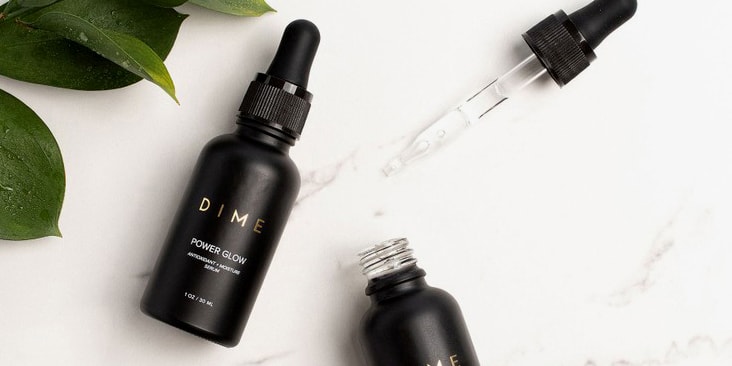
The choice of ink and coatings is crucial for achieving lasting results. Here are some of the most effective options:
- Ceramic inks: Fired at high temperatures, these inks fuse with the glass, creating a permanent, scratch-proof finish.
- Epoxy-based inks: Known for their toughness and chemical resistance, these are suitable for industrial and outdoor applications.
- Protective topcoats: Transparent coatings can be applied over printed designs to add an extra layer of defense against abrasion and chemicals.
Combining the right ink with a compatible coating system ensures that printed graphics remain intact even under frequent handling or cleaning.
Applications of Durable Glass Printing
Scratch-resistant printing is in demand across a variety of industries. Some common uses include:
- Cosmetic and perfume bottles: Designs must withstand repeated handling and exposure to oils or solvents.
- Food and beverage packaging: Labels and logos need to stay clear and legible throughout the product’s lifecycle.
- Architectural glass: Decorative panels, partitions, and signage benefit from prints that resist vandalism and cleaning chemicals.
- Consumer electronics: Device screens and covers require both clarity and resilience.
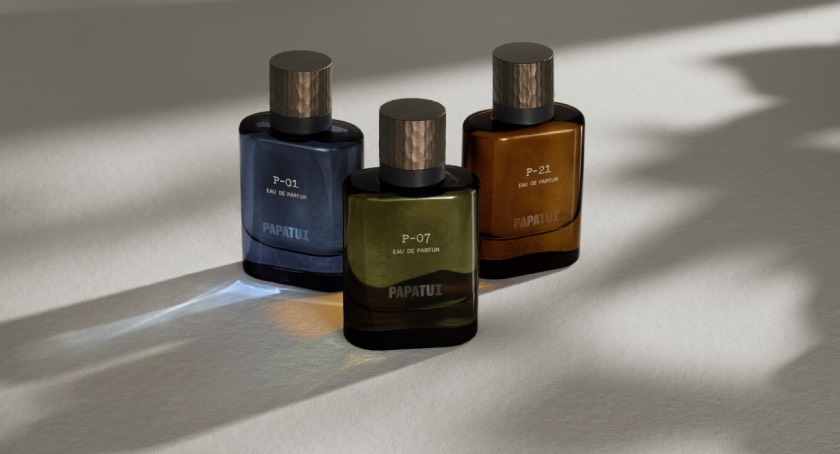
For businesses looking to maximize their brand impact, exploring branding opportunities with printed glass can provide inspiration for creative and durable product design.
Best Practices for Long-Lasting Glass Prints
To ensure the longevity of printed glass products, consider the following best practices:
- Surface preparation: Clean and pre-treat the glass to remove oils, dust, and residues that can interfere with ink adhesion.
- Proper curing: Follow manufacturer guidelines for curing times and temperatures to fully set inks and coatings.
- Testing: Conduct scratch and chemical resistance tests on sample prints before full-scale production.
- Regular maintenance: Educate end-users on proper cleaning methods to avoid unnecessary abrasion.
For those interested in the technical side, reviewing smart device glass printing can offer insights into precision coatings and advanced durability techniques.
Common Challenges and How to Overcome Them
Even with the best materials and methods, achieving optimal scratch resistance can present challenges:
- Ink adhesion issues: Inadequate surface prep or incompatible inks can lead to peeling or flaking. Always match ink chemistry to the glass type.
- Uneven curing: Insufficient or uneven exposure to UV or heat can compromise durability. Use calibrated equipment and monitor process parameters closely.
- Environmental factors: Exposure to harsh chemicals, temperature swings, or UV light can degrade prints. Choose inks and coatings rated for the intended environment.
For a broader perspective on industrial applications, the article on industrial glass printing uses covers manufacturing and tech sector requirements for robust glass decoration.
Frequently Asked Questions
What makes a glass print scratch resistant?
Scratch resistance is achieved by using specialized inks and coatings that bond tightly to the glass surface. Techniques like UV curing, heat setting, and chemical etching all contribute to a durable finish that resists abrasion and wear.
Can scratch resistant printing be used on colored or frosted glass?
Yes, most advanced printing methods and inks are compatible with colored, frosted, or textured glass. The key is to select inks and processes that are formulated for the specific glass type and finish.
How do I choose between UV digital printing and screen printing for durability?
UV digital printing offers high detail and flexibility, making it ideal for short runs or complex graphics. Screen printing with ceramic or epoxy inks is preferred for large volumes and maximum abrasion resistance. The choice depends on your design, production scale, and durability requirements.
Conclusion
Advancements in scratch resistant glass printing have opened up new possibilities for durable, attractive, and functional glass products. By selecting the right technology, materials, and processes, brands can deliver printed glass that stands the test of time—enhancing both product value and customer satisfaction. For those seeking vibrant, lasting results, staying informed about the latest methods and best practices is essential.