
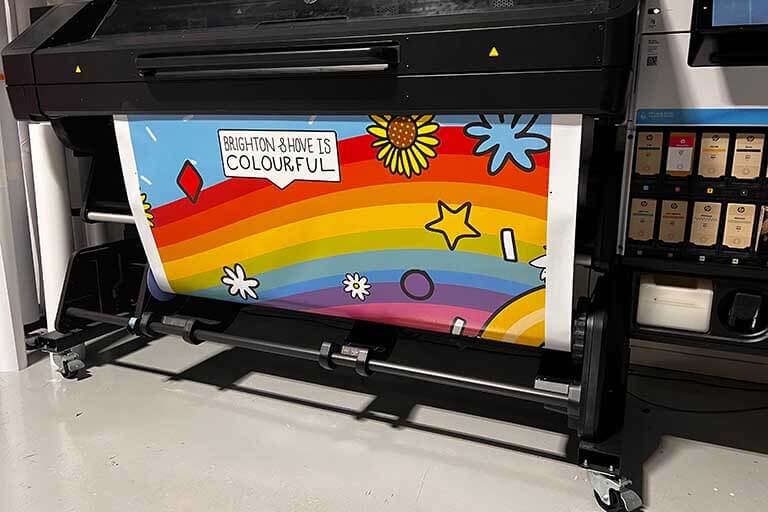

The demand for white ink options in latex printers has grown rapidly as designers, print shops, and brands seek more creative possibilities for signage, packaging, and specialty graphics. While latex technology is celebrated for its eco-friendliness and versatility, the addition of white ink has opened new doors for printing on dark, colored, transparent, and metallic substrates. Understanding what’s currently available, how it works, and the practical considerations is essential for anyone evaluating the latest latex print solutions.
This article explores the current landscape of white ink in latex printing, the types of printers that support it, key benefits, and the challenges you should be aware of. If you’re interested in how advanced print technologies are shaping packaging and prototyping, you may also want to read about what is digital prototyping for packaging for additional insights.
Why White Ink Matters in Latex Printing
Traditionally, latex printers were limited to CMYK or CMYK plus light colors, which restricted their use on non-white materials. The introduction of white ink options for latex printers has transformed the industry by enabling:
- Printing on clear and colored substrates for window graphics, labels, and packaging prototypes.
- Layering techniques that create striking effects, such as day/night backlit displays or double-sided prints.
- Enhanced color vibrancy and opacity, especially on metallic or dark materials.
- Expanded creative applications for retail, décor, and specialty graphics.
These capabilities allow print providers to offer more value-added services and meet the evolving needs of designers and brands.
Current Technologies: Which Latex Printers Support White Ink?
Not all latex printers offer white ink. For many years, this feature was absent from the latex segment, with solvent and UV printers dominating the white ink space. However, recent advancements have led to the release of models specifically designed to handle white ink formulations.
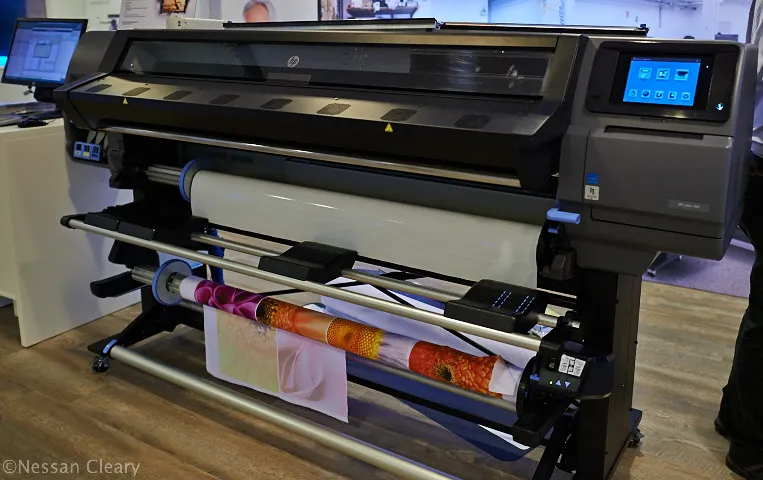
HP Latex R Series: A Game Changer
The most prominent example of a latex printer with white ink capability is the HP Latex R Series, including the R1000 and R2000 models. These printers use a specially formulated white latex ink that is both flexible and highly opaque, allowing for a wide range of applications on rigid and flexible media.
The white ink system in these devices is engineered to prevent common issues like settling and clogging, thanks to automated ink circulation and regular maintenance cycles. This ensures consistent results and reduces downtime, which is crucial for commercial environments.
How White Ink Is Used in Practice
With the right latex printer, operators can choose from several white ink modes, such as:
- Spot white – Printing white only where specified, such as under text or graphics.
- Flood coat – Laying a solid white layer across the entire substrate.
- Multi-layer printing – Creating complex effects by alternating white and color layers (for example, color/white/color for double-sided window graphics).
This flexibility empowers print shops to deliver everything from simple decals to intricate, high-value displays.
Benefits of White Ink in Latex Printers
Adding white ink to latex printing systems brings several advantages:
- Broader media compatibility – Print on transparent, colored, metallic, and dark materials without sacrificing image quality.
- Eco-friendly credentials – Latex inks are water-based, low in VOCs, and suitable for sensitive environments, making them a greener choice compared to many solvent or UV alternatives.
- Durability and flexibility – White latex ink maintains the same scratch resistance and flexibility as standard latex colors, supporting both indoor and outdoor applications.
- Consistent opacity – Modern white latex inks are engineered for high opacity, ensuring bold, vibrant results even on challenging substrates.
For businesses aiming to expand their print offerings or enter new markets, these benefits can provide a significant competitive edge.
Challenges and Considerations When Using White Ink
While the addition of white ink is a major advancement, there are some practical factors to keep in mind:
- Maintenance requirements – White ink is prone to settling and can clog printheads if not circulated regularly. Automated maintenance routines are essential.
- Ink consumption – White layers often require more ink than CMYK, impacting running costs and throughput.
- Color management – Achieving accurate color over white layers can be challenging. Using a monitor calibrator and effective color management tools is recommended for best results.
- Printer investment – Devices with white ink support are typically higher-end and require a larger initial investment.
Careful planning and operator training are important to maximize the value of white ink capabilities.

Comparing Latex White Ink to Other Print Technologies
It’s worth comparing the white ink options in latex printers to those found in solvent and UV-curable systems. While UV printers have long offered robust white ink solutions, latex technology stands out for its environmental profile and flexibility. Latex white ink is less brittle than UV, making it better suited for flexible applications like vehicle wraps or soft signage.
For a deeper dive into how different print technologies are evolving, you might be interested in learning about what is electron beam curing in printing and its unique benefits.
Best Practices for Achieving Quality Results
To get the most from your latex printer’s white ink capabilities, consider these best practices:
- Use high-quality media that is compatible with latex and white ink.
- Calibrate your monitor and printer regularly to ensure color accuracy.
- Store white ink cartridges properly and follow manufacturer guidelines for maintenance.
- Test print modes (spot, flood, multilayer) to find the right approach for each application.
- Educate your team on handling and optimizing white ink workflows.
These steps will help you maximize the impact of your investment and deliver consistent, high-quality prints.
Additional Resources and Industry Insights
If you’re considering upgrading your print technology, it’s helpful to understand the broader context. For more information on latex printing and how it compares to other options, see this comprehensive guide to latex printers and their business benefits.
You can also explore related topics such as the benefits of cloud-based color management for global brands, or discover what is holographic lamination for eye-catching print finishes.
Frequently Asked Questions
Which latex printers currently support white ink?
The HP Latex R Series, including the R1000 and R2000, are the most widely recognized latex printers offering white ink. These models are designed for both rigid and flexible substrates and feature advanced white ink circulation systems to ensure reliability.
Is white latex ink as durable as standard latex colors?
Yes, white latex ink is formulated to provide similar flexibility and scratch resistance as standard latex inks. This makes it suitable for both indoor and outdoor applications, including vehicle graphics and signage.
What are the main challenges when using white ink in latex systems?
The primary challenges include maintaining proper ink circulation to prevent clogging, managing higher ink consumption, and ensuring accurate color management over white layers. Regular maintenance and operator training are essential for optimal results.
Can white ink be used for packaging prototypes?
Absolutely. White ink in latex printers enables high-quality packaging prototypes on clear, colored, or metallic materials, allowing designers to closely simulate final production results.
Conclusion
The availability of white ink options in latex printers has significantly expanded the creative and commercial potential of latex printing technology. By understanding the capabilities, benefits, and practical considerations, print providers and designers can make informed decisions and unlock new possibilities for their projects.
Whether you’re producing retail graphics, packaging prototypes, or specialty signage, leveraging white ink in latex systems can help you stand out in a competitive market and deliver exceptional results.
For more on design trends and print innovation, you may also want to explore how to design packaging for Gen Z consumers and other resources on the latest in print technology.




