Glass printing in manufacturing has become a cornerstone of modern industrial processes, providing businesses with the ability to customize, brand, and enhance glass products at scale. From architectural panels to cosmetic packaging, the integration of advanced printing technologies has transformed both the aesthetics and functionality of glass in commercial environments. As demand for unique, durable, and visually striking glass products grows, manufacturers are turning to specialized printing methods to meet the needs of diverse industries.
This article explores the leading applications, technologies, and benefits of industrial glass decoration. We’ll also address common challenges and highlight best practices to ensure high-quality results. For readers interested in technical pitfalls, our guide on common mistakes in glass printing offers additional insights into avoiding costly errors.
Key Technologies Driving Glass Printing for Industry
The evolution of glass printing in manufacturing is closely tied to advancements in printing technologies. Today, several methods are widely used, each offering unique advantages for specific commercial applications:
- Screen Printing: This traditional method uses a mesh stencil to transfer ink onto glass surfaces. It’s ideal for high-volume production and can achieve vibrant, opaque colors with excellent durability.
- Digital Printing: Inkjet-based digital systems allow for full-color, high-resolution images and variable data printing. Digital processes are perfect for short runs, prototyping, and intricate designs.
- UV Printing: Ultraviolet-cured inks bond instantly to glass, resulting in scratch-resistant, vivid prints. UV printing is valued for its speed and ability to print on curved or irregular surfaces.
- Etching and Sandblasting: While not technically printing, these methods create frosted or textured effects on glass, often combined with printed graphics for a layered look.
Manufacturers select the appropriate technique based on production volume, design complexity, and the end-use environment of the glass product.
Commercial Applications: From Packaging to Architecture
Industrial glass decoration is used across a wide spectrum of sectors. Below are some of the most prominent commercial applications:
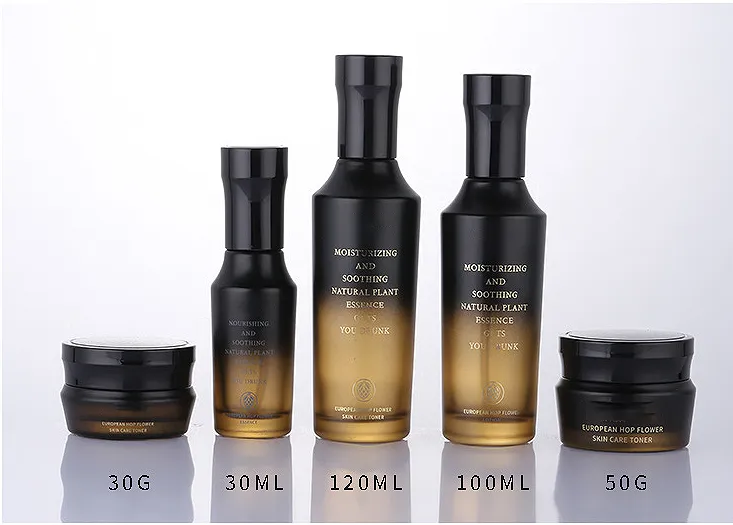
- Cosmetic and Perfume Bottles: Brands rely on printed glass packaging to convey luxury, differentiate products, and comply with regulatory labeling requirements.
- Beverage and Food Containers: Bottles and jars are often printed with logos, nutritional information, and promotional graphics, enhancing both branding and consumer trust.
- Architectural Glass: Large-format panels, partitions, and facades are decorated with patterns, gradients, or branding elements, contributing to building aesthetics and privacy.
- Electronics and Smart Devices: Touchscreens, display covers, and device enclosures use precision printing for both functional and decorative purposes. For more on this, see our article on smart device glass printing.
- Tableware and Promotional Items: Glassware such as mugs, plates, and awards are personalized for events, corporate gifts, or retail sales.
The versatility of modern printing techniques allows manufacturers to address the specific needs of each market segment, from mass-produced goods to bespoke architectural features.

Advantages of Industrial Glass Decoration
The adoption of advanced printing methods for glass in manufacturing brings several significant benefits:
- Brand Differentiation: Custom graphics and finishes help products stand out on crowded shelves and reinforce brand identity.
- Durability: Modern inks and curing processes ensure that printed designs resist abrasion, chemicals, and UV exposure, maintaining their appearance over time.
- Design Flexibility: Digital and screen printing allow for a wide range of colors, effects, and personalization options, from metallic inks to tactile textures.
- Regulatory Compliance: Direct printing on glass can include barcodes, batch numbers, and safety information, meeting industry standards without the need for labels.
- Cost Efficiency: Automated printing lines support high-speed production, reducing labor costs and minimizing waste.
These advantages make glass printing a preferred choice for manufacturers seeking both functional and aesthetic enhancements.
Challenges and Best Practices in Glass Printing
Despite its many benefits, printing on glass presents unique challenges. Surface tension, ink adhesion, and curing consistency can all impact the final result. To achieve optimal outcomes, manufacturers should consider the following best practices:
- Surface Preparation: Thorough cleaning and pre-treatment of glass surfaces are essential for strong ink adhesion and print clarity.
- Ink Selection: Choosing inks formulated specifically for glass ensures durability and compatibility with curing processes.
- Quality Control: Regular inspection and testing help identify defects early, reducing rework and waste.
- Process Calibration: Maintaining consistent print parameters—such as squeegee pressure, curing time, and temperature—improves repeatability and reduces errors.
For a deeper dive into technical considerations and error prevention, our resource on industrial glass printing uses covers additional manufacturing insights.
Emerging Trends and Sustainability in Glass Printing
As sustainability becomes a priority in manufacturing, glass printing technologies are evolving to support eco-friendly practices. Water-based inks, energy-efficient curing systems, and recyclable substrates are gaining traction. Additionally, digital printing reduces setup waste and enables on-demand production, minimizing inventory and resource consumption.
Architects and designers are also exploring creative uses of printed glass in interior design, using colored and textured effects to create vibrant, light-filled spaces. For inspiration, see our overview of colored glass decoration methods for modern environments.
How to Choose the Right Printing Method for Your Application
Selecting the best approach for decorating glass depends on several factors:
- Volume: High-volume runs often favor screen printing, while digital methods excel at short runs and customization.
- Design Complexity: Intricate, multicolor images are best handled by digital or UV printing.
- Durability Requirements: For products exposed to frequent handling or harsh environments, choose inks and processes known for abrasion and chemical resistance.
- Budget: Consider setup costs, ink prices, and labor when evaluating different technologies.
Consulting with experienced vendors and reviewing case studies can help identify the most suitable process for your specific needs. For more technical details, manufacturers can refer to professional solutions for printing onto glass that outline industrial-grade options.
FAQ
What are the most common methods for printing on glass in commercial settings?
The most widely used techniques include screen printing, digital inkjet printing, and UV-curable printing. Each offers unique benefits for different production volumes and design requirements.
How durable are printed designs on glass products?
When using high-quality inks and proper curing, printed graphics on glass can withstand abrasion, chemicals, and sunlight. This makes them suitable for packaging, architectural panels, and consumer goods.
Can glass printing be used for small-batch or customized products?
Yes, digital printing technologies enable cost-effective short runs and personalized designs, making them ideal for limited editions, prototypes, and bespoke projects.
Is printed glass environmentally friendly?
Many manufacturers are adopting water-based inks and energy-efficient processes to reduce environmental impact. Glass itself is recyclable, and direct printing eliminates the need for additional labels or packaging.
Conclusion
The integration of glass printing in manufacturing has opened new possibilities for brands, architects, and product designers. By choosing the right technology and following best practices, businesses can achieve durable, eye-catching results that enhance both product value and customer experience. As innovation continues, expect to see even more creative and sustainable uses of printed glass across industries.